Most people don’t think about going to the dentist until something hurts. A sudden toothache, bleeding gums, or sensitivity to cold drinks usually triggers the call. But by that point, a small issue may have already developed into something more serious.
The truth is, dental health works best when it’s preventive, not reactive.
Just like servicing your car before it breaks down or maintaining your home’s plumbing before a pipe bursts, taking care of your teeth early helps you avoid bigger, more expensive problems later.
Let’s explore why booking your dental appointment before symptoms appear is one of the smartest things you can do for your long-term health.
Prevention Is Always Easier Than Treatment
Think about routine car maintenance. You don’t wait for the engine to fail before getting an oil change. You service it regularly to keep everything running smoothly.
Your teeth are no different.
Regular check-ups allow your dentist to identify issues in their earliest stages—often before you even notice them. This can include:
- Small cavities
- Early gum inflammation
- Minor enamel wear
- Plaque buildup
- Hairline cracks
Conditions like tooth decay often start silently. In the early stages, you may not feel any pain at all. But over time, untreated decay can lead to infections, root canals, or even tooth loss.
Catching problems early usually means simpler treatments. A small filling is far less invasive—and less expensive—than advanced restorative procedures.
Preventive care saves both time and money.
Protecting More Than Just Your Smile
Oral health isn’t only about appearance. It’s closely connected to overall health.
Gum disease, for example, has been linked to other systemic conditions. While brushing and flossing at home are essential, professional cleanings remove hardened plaque (tartar) that regular brushing can’t remove.
Regular dental visits help monitor:
- Gum health
- Jaw alignment
- Bite issues
- Signs of oral infections
- Early warning signs of more serious conditions
Your dentist isn’t just checking for cavities—they’re assessing the health of your entire mouth.
Just as a general health check-up examines your whole body, dental visits provide a comprehensive evaluation of your oral system.
Avoiding Dental Emergencies
Dental emergencies rarely happen without warning. Most begin as small issues that go unnoticed.
A minor cavity becomes deeper. Mild gum inflammation can progress to more advanced gum disease. A small crack in a tooth grows under pressure from chewing.
Waiting until you experience pain often means the problem has already escalated.
Consider this scenario:
You postpone your dental visit because everything feels fine. Months later, you develop severe tooth pain on a weekend. Now you’re searching for emergency appointments and dealing with discomfort that could have been avoided.
Preventive visits reduce the likelihood of these urgent situations.
It’s similar to maintaining a roof. Fixing a small leak early is far easier than repairing structural water damage later.
Building Confidence Through Routine Care
There’s also a psychological benefit to staying ahead of dental issues.
When you know your teeth are regularly checked and professionally cleaned, you feel more confident smiling, speaking, and interacting with others.
Fresh breath, healthy gums, and clean teeth contribute to self-assurance in both personal and professional settings.
In industries where first impressions matter—like sales, teaching, healthcare, or public service—confidence plays a key role.
A healthy smile supports that confidence.
What Happens During a Preventive Visit?
Some people delay dental appointments because they’re unsure what to expect.
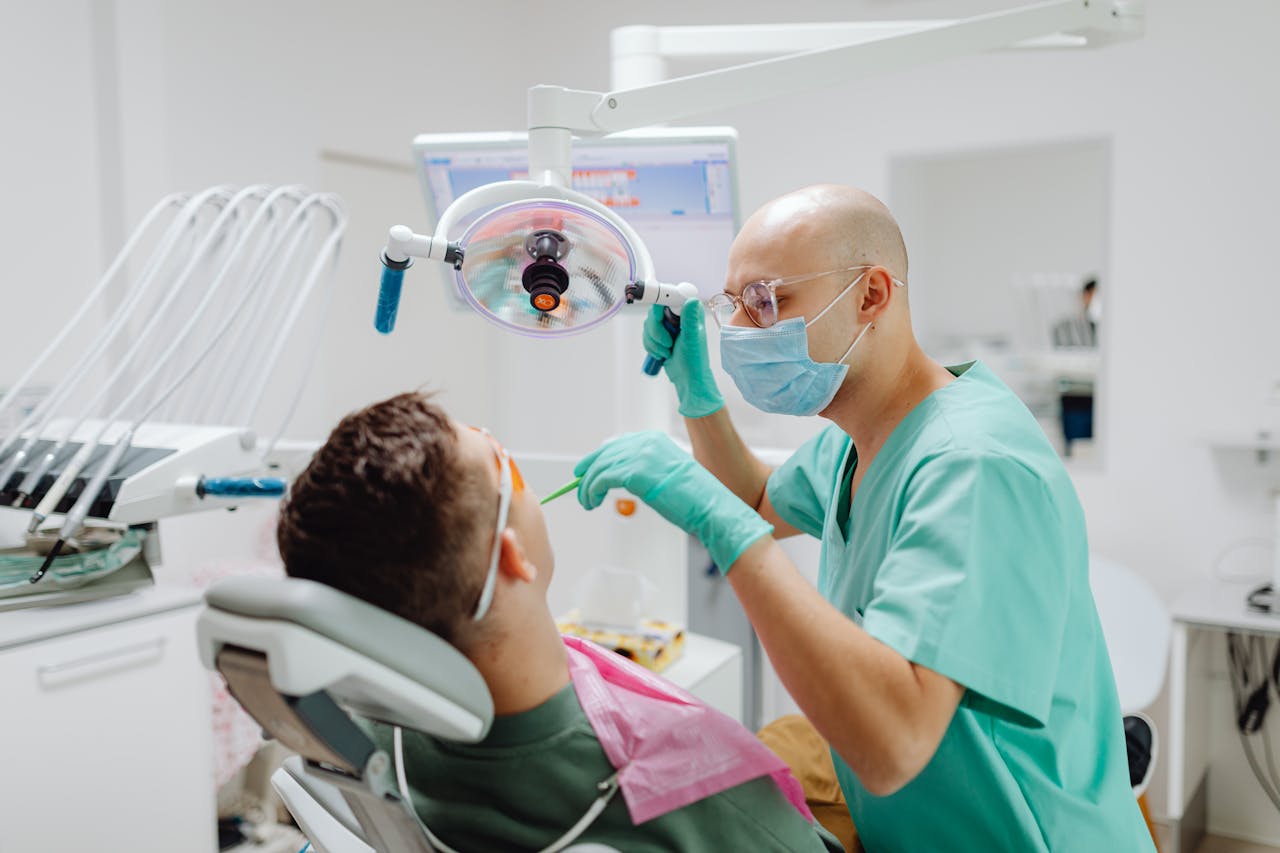
A routine preventive visit typically includes:
- A thorough examination
- Professional cleaning
- Removal of plaque and tartar
- X-rays if needed
- Discussion of any concerns
Your dentist may also provide guidance on brushing techniques, flossing habits, and dietary tips to support your oral health.
These visits are designed to maintain—not just repair—your smile.
If you’ve been putting it off, now is the right time to schedule your dental appointment and stay ahead of potential problems.
Taking that step before symptoms appear gives you control over your oral health rather than waiting to react to issues later.
Making Dental Care a Habit
The key to preventive dentistry is consistency.
Most dental professionals recommend check-ups every six months, although some individuals may need more frequent visits depending on their oral health.
Treat dental appointments like any other important routine:
- Mark it on your calendar
- Set reminders
- Schedule ahead of time
- Pair it with other health check-ups
Just as you wouldn’t skip routine medical appointments, your oral health deserves the same priority.
Establishing a regular schedule also helps reduce anxiety. When visits are consistent and uneventful, they become less intimidating.
The Long-Term Benefits Add Up
Over time, preventive dental care leads to:
- Fewer major treatments
- Lower overall dental costs
- Better gum health
- Stronger teeth
- Reduced risk of tooth loss
- Greater confidence
Small, regular actions compound into lasting results.
Just as investing small amounts consistently builds financial stability, consistent dental care builds long-term oral health.
Also Read: How Family Dentistry Creates Opportunities For Confident Smiles At All Ages
Final Thoughts: Don’t Wait for Pain to Decide
Pain is often the body’s last signal that something needs attention.
Waiting for discomfort before visiting the dentist can turn manageable issues into complex treatments.
By scheduling regular check-ups, you:
- Detect problems early
- Avoid emergencies
- Protect your overall health
- Save time and money
- Maintain a confident smile
Your future self will thank you for taking proactive steps today.
Dental care isn’t just about fixing problems—it’s about preventing them.
And sometimes, the smartest health decision you can make is acting before anything feels wrong.


About the Author