Surgery for a pet can feel scary. You worry about pain. You worry about risk. You want clear answers. Vets know this. They prepare your pet with careful steps that protect safety and comfort from the first exam to the ride home. First, they check your pet’s heart, lungs, and blood. Then they choose the right anesthesia and watch every breath during surgery. Finally, they guide you on feeding, medicine, and rest after the procedure. Each step has a clear purpose that lowers fear and prevents problems. This blog explains how vets clean and clip the surgical site, why calm handling matters, and how simple habits like regular checkups or pet grooming in Buckhorn Creek, Brandon, FL support safe surgery. You will see what happens before, during, and after surgery so you can ask strong questions and stand by your pet with confidence.
Step One: Pre-surgery check and planning
Before surgery, vets focus on three things. They look for hidden health problems. They plan safe anesthesia. They lower stress for you and your pet.
First, the vet takes a full history. You share past illnesses, current medicines, and changes in eating or behavior. You also share any past trouble with anesthesia. This talk guides every next step.
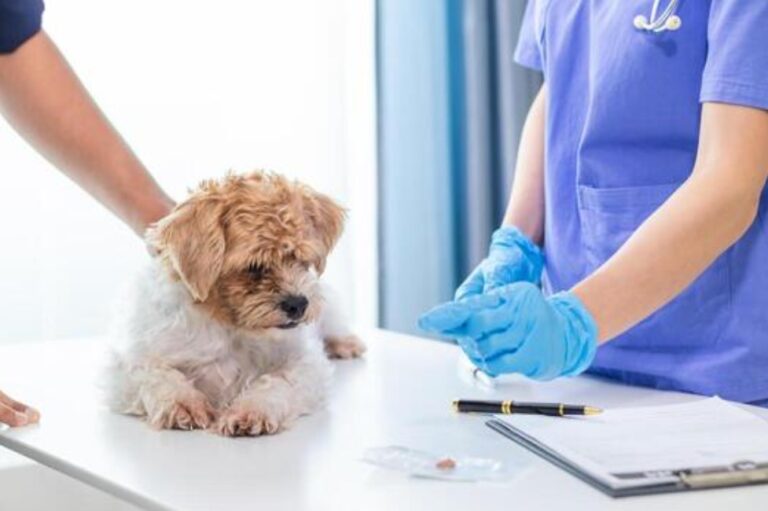
Next, the vet does a full exam. They listen to the heart and lungs. They feel the belly. They check gums, skin, and joints. They look for infection or pain that could slow healing.
Then they order tests that match your pet’s age and health. Common tests include:
- Blood work to check organs and red and white cells
- Urine tests to check kidneys and infection
- Imaging such as X-rays for bone or chest review
The American Veterinary Medical Association explains why this screening matters for safe anesthesia. You can read more about it at Your Pet’s Anesthesia.
Step Two: Anesthesia choice and safety checks
Anesthesia can feel scary. You may fear that your pet will not wake up. Vets understand that fear. They use strict safety rules to keep risk low.
First, they choose the type of anesthesia. The choice depends on:
- Age and weight
- Breed and known risks
- Heart, lung, kidney, and liver function
- Length and type of surgery
Next, they place an IV catheter. This allows fast medicine and fluids. It also gives a way to treat rare emergencies.
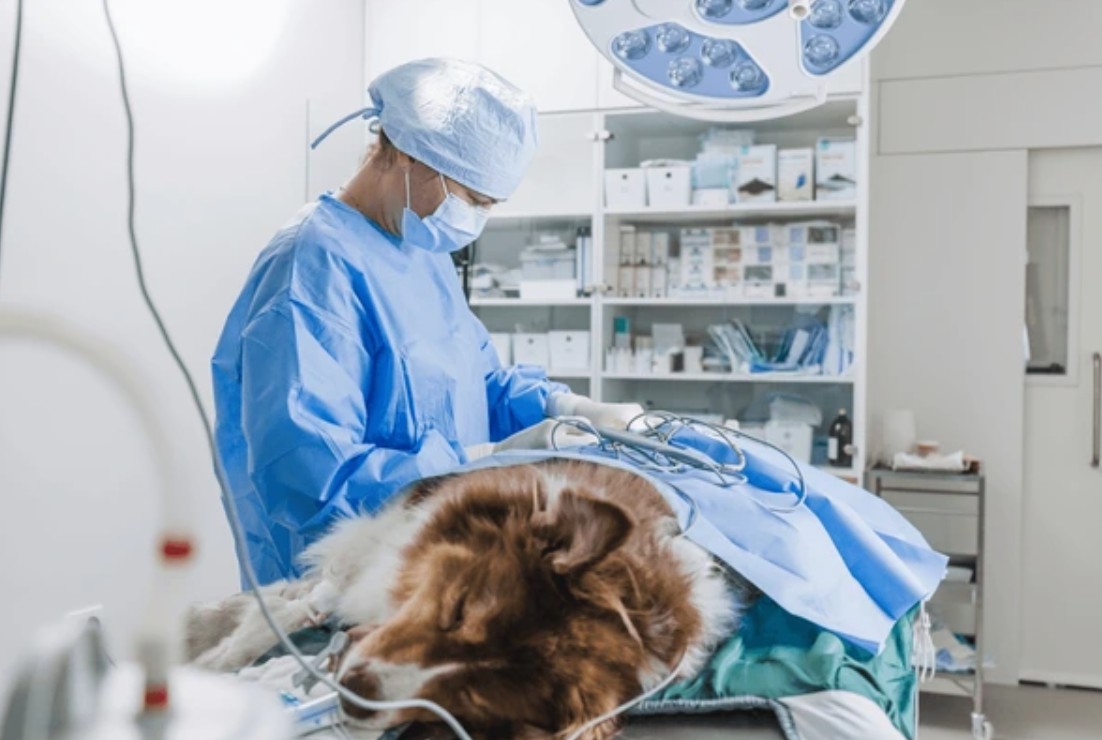
Then they set up monitoring tools. During surgery, a trained staff member watches:
- Heart rate
- Breathing rate
- Oxygen level
- Blood pressure
- Body temperature
These checks run from the start of anesthesia until your pet wakes up. The staff records numbers every few minutes. If anything changes, they act at once.
Step Three: Cleaning, clipping, and infection control
Clean skin protects your pet from infection. Vets follow clear steps before the first cut.
First, the team clips hair around the surgery site. They use quiet tools and gentle holds so your pet stays calm. Hair removal keeps the site clean and stops hair from entering the wound.
Next, they scrub the skin with special solutions that kill germs. They repeat this scrub several times. They work from the center of the site outward. They throw away used sponges so dirt does not move back toward the cut.
Then the staff covers your pet with sterile drapes. Only the clean site stays open. The surgeon uses sterile gloves, a gown, and tools. Each step cuts infection risk and helps the wound heal.
Step Four: Keeping your pet warm and still
Cold pets heal more slowly and face a higher risk. Vets work to keep body temperature steady from start to finish.
They may use:
- Warm air blankets
- Heated pads set to safe ranges
- Warm IV fluids
They also protect their eyes with ointment so they do not dry out. They pad joints and bony spots so your pet does not wake up sore from the surgery table.
Step Five: Pain control before, during, and after
Pain control starts before the first cut. Vets use a plan that covers three stages.
Pain control steps around surgery
| Stage | Goal | Common actions |
|---|---|---|
| Before surgery | Stop pain signals from starting | Give pain medicine and calming medicine |
| During surgery | Block pain at the site | Use local blocks and adjust anesthesia |
| After surgery | Keep your pet resting and eating | Send home oral pain medicine and clear rules |
The goal is simple. Your pet should rest, eat, and move without clear signs of pain. The International Association for the Study of Pain and many vet schools support this early and steady pain control plan. For more on pain in animals, see the University of Tennessee’s resources at Animal Pain Management.
Step Six: Recovery room care
Recovery is not a quick step. It is a watched process.
First, staff move your pet to a quiet recovery space. They keep your pet on soft bedding. They keep the noise low. They watch breathing, gum color, and movement.
Next, they remove breathing tubes when your pet can swallow. They watch for coughing or trouble breathing. They check the surgery site for bleeding or swelling.
Then they offer small amounts of water when it is safe. Food comes later if your vet approves. Some pets need extra warmth or oxygen. Staff adjust care based on what they see.
Step Seven: Clear home care instructions
Your role starts strong once you leave the clinic. Clear rules from your vet help you protect healing and comfort.
You can expect written and spoken guidance on:
- When to give pain medicine and other drugs
- How much activity is safe each day
- When to remove or protect bandages
- How to keep the incision clean and dry
- What warning signs need a call or visit
Common warning signs include:
- Heavy bleeding or thick discharge
- Strong swelling or heat at the site
- Refusal to eat for a full day
- Vomiting or diarrhea that does not stop
- Struggling to breathe or stand
How routine care supports safe surgery
Daily habits before surgery can change outcomes. You support your pet when you:
- Keep vaccines and checkups current
- Watch weight and keep a lean body
- Use regular grooming to spot skin problems early
Clean skin and a healthy weight lower anesthesia risk and infection risk. Routine services such as nail trims and coat care also help your pet handle handling and restraint without panic. That calm response makes every step of surgery safer and smoother.
Standing by your pet with calm strength
You cannot control every outcome. You can control how prepared you feel. You can ask clear questions. You can follow the home rules closely. You can keep health records and medicine lists ready for each visit.
Each of these choices supports the careful work your vet team does before, during, and after surgery. With shared planning and clear steps, your pet can move through surgery with safety and comfort at the center of every decision.


About the Author