Installing a generator transforms how families think about electricity. Before backup power becomes part of the home, energy use often follows an unconscious rhythm shaped by grid reliability. Outages trigger reactive behavior—finding flashlights, unplugging appliances, postponing chores, and adjusting temperature settings to conserve power.
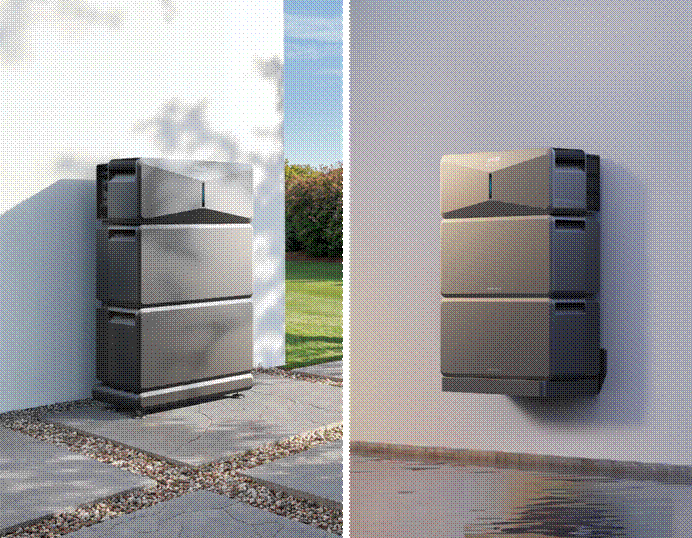
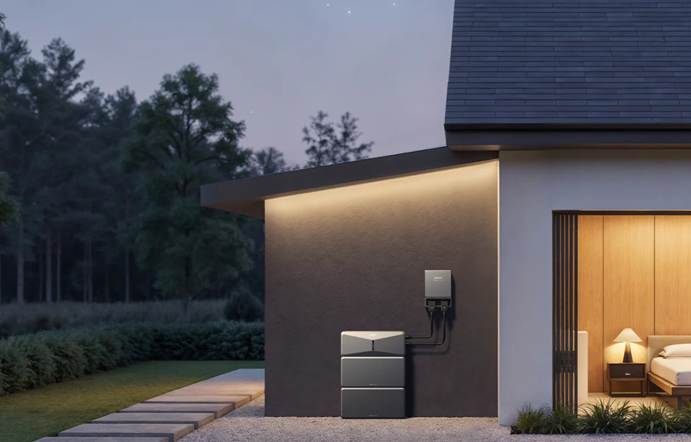
Once a generator is in place, these instincts shift. Households begin relying on electricity differently because confidence replaces uncertainty. A whole-home solution like the Anker SOLIX E10 (Power Module + 2× Battery) with the Power Dock goes even further, delivering seamless activation and strong output that allow families to maintain normal routines during outages. Understanding these habit changes reveals how backup systems influence comfort, planning, and daily life.
How Backup Power Reshapes Household Routines And Expectations
Families Become Less Reactive And More Confident
Before backup power, households react defensively to outages. People rush to charge devices, open refrigerators sparingly, avoid using HVAC, and postpone activities requiring electricity. These habits build from fear of draining limited power reserves or losing essential functions. Once a generator is installed, this stress diminishes. Families operate with greater confidence because they know their home will stay functional even if the grid fails.
With systems like the E10, the transition occurs automatically in ≤20ms, so most residents don’t even notice when the grid goes down. The continuous support keeps routines intact, whether someone is cooking dinner, working remotely, or caring for children. This reliability encourages smoother daily behavior, reducing the instinct to conserve or prepare for sudden outages. Instead, households trust their backup system to sustain comfort and productivity until power returns.
HVAC Use Becomes Steadier During Outages
Temperature control is one of the first habits that changes after generator installation. Before backup solutions, families brace for discomfort by avoiding heating or cooling during outages. They close blinds, reduce movement, and postpone cooking to minimize indoor temperature shifts. These survival habits fade when a reliable generator supports climate systems. The E10’s ability to start and run large HVAC units—including 5-ton central air systems—helps maintain steady indoor conditions even during unstable grid events.
Families stop worrying about heatwaves or cold snaps because they know their climate systems will continue operating. This confidence transforms outage behavior: instead of retreating to limited spaces or adjusting routines, people move freely throughout the home. HVAC becomes not a luxury but a continuous foundation of comfort powered by a backup system that responds instantly.
Energy-Intensive Activities No Longer Get Delayed
During outages without backup power, households avoid energy-intensive tasks like laundry, dishwashing, or vacuuming. These activities feel risky because they could overload small portable systems or drain battery backups too quickly. A whole-home generator eliminates this hesitation. Families resume larger tasks because they trust the system to support high loads.
The E10’s turbo output and strong continuous power provide enough margin for these activities to continue normally. Households maintain their cleaning routines, finish meals, and complete chores that would otherwise pile up during extended grid failures. This behavioral change makes daily life feel more stable because the home operates according to its usual rhythm. A backup system that supports the full electrical panel enables families to use appliances freely without rationing energy or delaying tasks.
How Backup Installation Shifts Energy Planning And Household Strategy
Households Pay More Attention To Total System Behavior
Once a generator becomes part of the home, families engage with energy usage more intentionally. They begin noticing which appliances consume the most power, how often major loads cycle, and what parts of the home draw continuous electricity. This awareness grows naturally because backup systems reveal real-time power flow in a way grid operation does not.
The E10’s whole-home backup and seamless switchover allow households to experience how their home behaves under a single, integrated system. They learn when HVAC surges occur, how refrigerators cycle, and which devices contribute to base load. This clarity encourages smarter energy habits—not out of fear, but out of understanding. Families manage appliances with more insight and gain long-term confidence about how their home uses electricity.
Solar Becomes A More Active Part Of Daily Power Habits
Integrating solar with backup systems shifts household thinking even further. Instead of relying solely on the grid, families begin aligning routines with sunlight and backup capacity. When solar recharges a backup system during the day, energy use patterns subtly shift to take advantage of free, renewable power. The E10 supports solar through dual MPPT inputs, making harvesting efficient across varied panel configurations.
Families notice how sunlight replenishes battery capacity and how much longer they can sustain normal operation during outages. This awareness encourages strategic scheduling—for example, running certain appliances while solar production is high. With backup and solar working together, energy habits evolve from passive consumption to active, informed management.
Households Move Toward Longer-Term Preparedness
A generator installation often marks the beginning of a broader shift toward resilience. Families who once reacted anxiously to outages start planning more deliberately for extreme weather, grid instability, or rural living. Power security becomes part of long-term home planning rather than a short-term response. The E10’s expandable capacity—from moderate backup levels to multi-day protection—helps households adapt their preparedness strategy.
Its synergy with a smart generator provides long endurance without sacrificing efficiency. Even homeowners who previously relied on a whole house generator alone often adopt new backup habits once they learn how a hybrid system can extend runtime and reduce fuel dependency. Preparedness evolves from a reactive mindset to a confident, layered strategy supported by reliable systems.
Also Read: What is the Role of a Diesel Generator in the Agriculture Sector?
Conclusion
Installing a generator reshapes how households approach energy use, comfort, and preparedness. Instead of reacting defensively when the grid fails, families develop new habits grounded in stability, confidence, and continuity. HVAC systems run consistently, daily chores continue uninterrupted, and solar integration becomes part of routine planning. Backup systems reveal real load patterns and simplify resilience planning over time. Whole-home solutions like the Anker SOLIX E10 with its 2× Battery and 200A Power Dock support this transformation by delivering seamless switchover, strong surge performance, and full-panel coverage.


About the Author