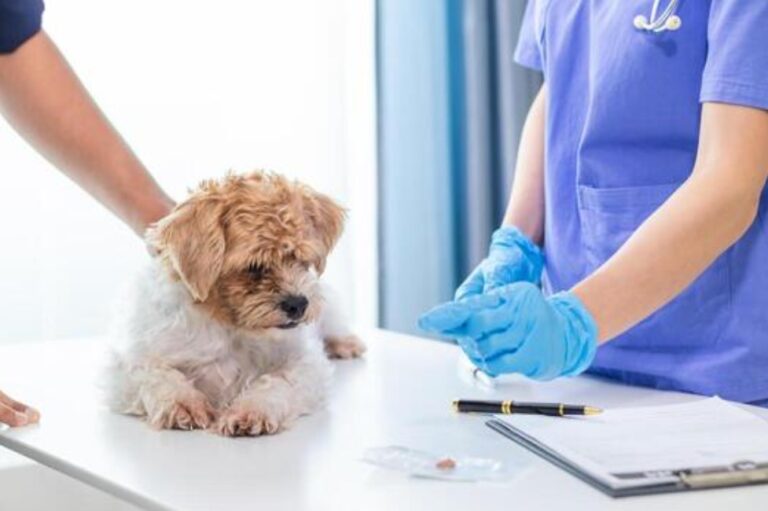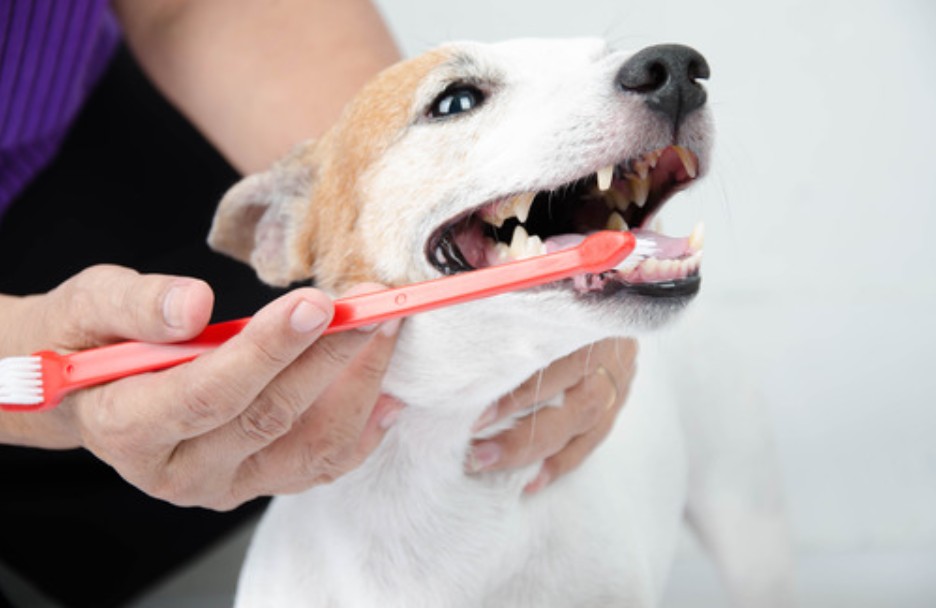
Each season brings new threats to your pet’s health. Heat, storms, parasites, and holiday chaos can hurt your pet fast. You deserve to know how animal clinics get ready before trouble starts. Staff review past cases, stock key supplies, and update emergency plans. They check power backups, train teams for fast triage, and set clear steps for common crises. They also plan extra support for allergy flares, heartworm spikes, and cold weather injuries. In some places they prepare for storm season and power loss. In others they focus on services like dog teeth cleaning in Clearwater to reduce pain and infection risk. Every choice has one goal. Keep your pet safe when the season turns harsh. When you understand this quiet work, you can plan your own steps at home and act fast when your pet’s body or behavior changes.
How Clinics Study Past Seasons
You see the weather change. Clinic teams see patterns. They look back at records from past years and ask three clear questions.
- What problems came in most often
- Which cases turned severe fast
- Where did families feel scared or unprepared
Staff track things like heatstroke, frostbite, asthma flares, and storm fear. They compare these notes to trusted public data. For example, the Centers for Disease Control and Prevention explains common diseases that pass between animals and people. You benefit because this review shapes every plan for the next season.
Seasonal Risk Snapshot
You face different threats in summer and winter. Clinics map those threats in clear lists. This table shows common risks and how clinics prepare.
| Season | Common Pet Risk | What Clinics Do | How You Can Help |
|---|---|---|---|
| Spring | Fleas, ticks, pollen allergies | Stock preventives. Train staff on allergy signs. Remind families about tick checks. | Use preventives on time. Check coat and ears. Wash bedding often. |
| Summer | Heatstroke, heartworm, storm stress | Set heatstroke protocol. Keep cooling tools ready. Push heartworm testing. | Limit time outside. Provide shade and water. Keep current on heartworm medicine. |
| Fall | Ticks, mold, holiday food hazards | Warn about toxic foods. Prepare for stomach emergencies. Update tick maps. | Keep candy and rich food away. Stay on tick prevention. Watch for vomiting. |
| Winter | Frostbite, joint pain, antifreeze poison | Refresh hypothermia care steps. Stock pain relief. Teach staff toxic signs. | Use pet safe ice melt. Wipe paws. Watch for stiff walking or shaking. |
Stocking Supplies Before You Need Them
You do not want your clinic to search for basics during a crisis. Staff walk shelf by shelf and ask what a pet might need that day.
- Fluids and medicines for heatstroke or shock
- Allergy and asthma drugs
- Wound care supplies for storm or ice injuries
- Flea, tick, and heartworm products
- Muzzles, soft wraps, and carriers for scared animals
They also check oxygen lines, thermometers, and blood test machines. This quiet work gives your pet faster care.
Emergency Plans For Storms And Power Loss
Storms and outages hit pets hard. Noise, darkness, and heat or cold twist fear into panic. Clinics write clear plans before the first warning.
- Backup power. Staff test generators and fuel. They plan which rooms stay lit and cool.
- Safe housing. They assign safe cages away from windows and flying glass.
- Evacuation routes. They mark exits and practice moving pets fast and calm.
- Contact lists. They keep updated phone numbers and emails for every family.
Many clinics train teams using lessons from state and federal guides.
Training Teams To Spot Trouble Fast
Speed saves lives. Staff run short drills all year. They practice three key skills.
- Spot early warning signs
- Sort pets by urgency
- Start first steps of care while the doctor prepares
For example, in summer they focus on heatstroke. Staff learn to watch for heavy panting, red gums, or collapse. In winter they focus on low body temperature and pain from stiff joints. You gain from this training even during a simple checkup.
Seasonal Checkups And Preventive Care
Routine visits are not just for shots. Clinics use them to brace your pet for the next season. They may suggest three types of checks.
- Parasite tests and preventives before bug season starts
- Weight and heart checks before heat or cold strain the body
- Dental checks before holidays bring rich food and stress
For example, strong teeth and gums lower infection risk. That helps your pet handle other stress. This is why some clinics focus on services like dog teeth cleaning in Clearwater or similar care in other towns.
Helping Anxious Pets Face Seasonal Stress
Noise, visitors, and changes in routine can break your pet’s sense of safety. Clinics do not treat this as a small thing. They prepare in three ways.
- Screen for fear. Staff ask about hiding, shaking, or growling during storms or parties.
- Offer tools. They may suggest calming products, training tips, or medicine when needed.
- Adjust visits. They use quiet rooms, slow handling, and short waits.
You can support this work. Tell staff your honest story about your pet’s reactions. No detail is too small.
How You And Your Clinic Work Together
Preparation works best when you act as a partner. You can match your steps at home to the plans inside the clinic.
- Keep current records of vaccines, medicines, and allergies.
- Store the clinic number and an after hours number on your phone and fridge.
- Build a pet go bag with food, medicine, leash, and copies of records.
- Ask your clinic which risks matter most in your neighborhood.
Each season will still bring shock and stress. Yet you will not feel powerless. Your clinic already trains, stocks, and plans with your pet in mind. When you understand these steps, you can stay calm, act early, and give your pet a stronger chance to survive the worst days of the year.


About the Author