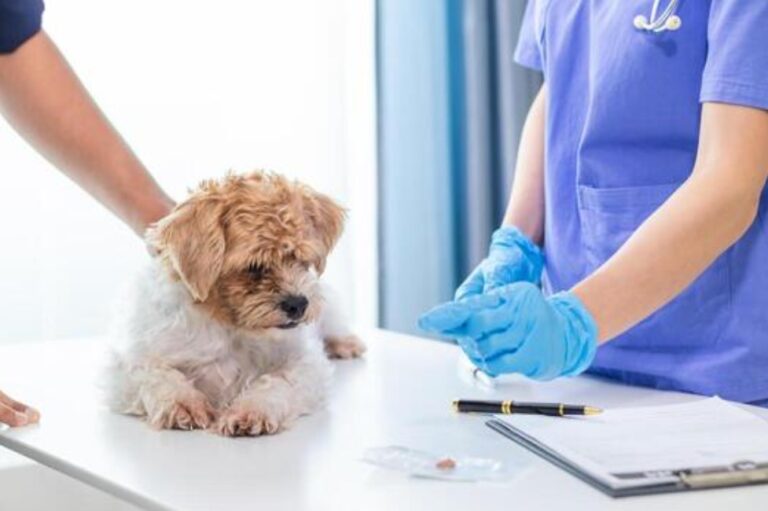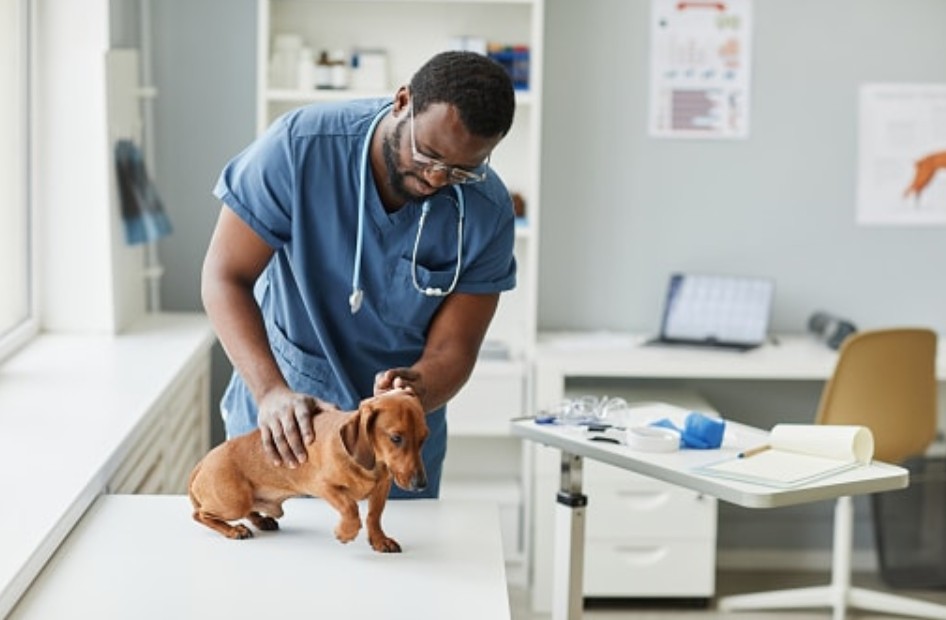
Veterinary visits can shake even the calmest pet. You see the tension. Your pet pants, hides, or freezes. You feel your own chest tighten as you walk through the clinic door. That reaction is common. It is not a sign of failure. It is a signal that your pet needs more support. There are simple steps you can use before, during, and after each visit. These steps lower fear. They also protect health. A less stressed pet lets the veterinarian listen, touch, and treat with fewer delays. This leads to clearer answers and safer care. Whether you visit a North County San Diego veterinarian or another clinic, the same core actions work. You can shape the car ride. You can shape the waiting room. You can shape what happens at home afterward. The goal is steady comfort. The result is a pet that trusts you through each visit.
1. Teach the carrier or leash as a safe place
Many pets panic at the first sign of the carrier or leash. You can change that link. Start on a quiet day at home. Place the carrier in a common room with the door open. Put a soft towel and a few treats inside. Let your pet explore on their own. Do not force them in. Repeat this for short periods each day.
Next, close the door for a brief moment while your pet is eating inside. Open it again before they finish. You want your pet to link the carrier with safety and food. For dogs on a leash, clip the leash on during calm times at home. Offer praise and a treat. Then remove it. You want the leash to predict good things, not fear.
Use this routine for many days before an appointment. You build trust in small steps. You lower the shock that comes on the day of the visit.
2. Practice short, calm car rides
The car ride can be the hardest part. Your pet may whine, drool, or shake. You can train for this. First, place your pet in the parked car for a short time. Sit with them. Offer a treat. Then go back inside. When that feels easy, turn on the engine and wait a minute. Keep your voice calm and low. Then turn it off and return home.
Later, take a very short ride around the block. Do not go to the clinic yet. End the ride at home with play or food. This shows your pet that car rides do not always lead to scary events. You build a new pattern that feels safer.
The American Veterinary Medical Association gives clear tips for safe travel. Use a seat belt harness for dogs or a secure carrier for cats. Safe restraint keeps your pet from sliding or falling, which raises fear.
3. Use simple comfort tools
Small tools can ease stress when used early. You can try:
- Soft bedding or a shirt with your scent in the carrier
- A favorite toy for distraction
- Covering the carrier with a light cloth to block scary sights
- Scheduling visits at quiet times of day when the lobby is less crowded
Some pets respond to pheromone sprays or wipes that copy natural calming scents. You can ask the clinic if they use these in exam rooms. You can also ask about non drug calming aids for your pet. Never give human medicine to a pet. That can cause harm.
The table below shows simple comfort steps you can use and how they help.
| Comfort step | When to use | Main benefit |
|---|---|---|
| Carrier with bedding and treats | Daily at home and on visit days | Lowers fear before travel starts |
| Car rides that end at home | Once or twice a week | Breaks the link between car and clinic fear |
| Pheromone spray or wipe | 15 minutes before travel | Soothes scent driven stress |
| Quiet lobby or car check in | On arrival at clinic | Cuts noise and strange pet contact |
| High value treats | During exam and after | Builds a positive link with touch and handling |
4. Plan the waiting room and check in
The waiting room can overload your pet. You see other animals, new people, and harsh sounds. You can plan for this part. You can call the clinic before the visit. Ask if you can wait in your car and have staff call or text when a room is ready. Many clinics will agree.
If you must wait inside, sit in a quiet corner. Keep cats in covered carriers off the floor. Keep dogs on short leashes close to your legs. Do not let pets greet each other face to face. Even calm pets can react when they feel trapped. You protect your pet by giving them space and a clear escape route behind your legs or under your chair.
Stay calm with your words. Use a low, steady voice. Your pet reads your body. If you breathe slow and deep, that helps your pet feel steadier.
5. Work with your veterinary team as partners
You do not have to manage this alone. Your veterinary team can adjust how they handle your pet. You only need to speak up early. When you make the appointment, tell staff that your pet feels stress during visits. Share clear signs such as growling, hiding, or shaking.
Your veterinarian may suggest:
- Scheduling a quiet time of day
- Moving your pet straight into an exam room
- Using treats or toys during handling
- Breaking long visits into shorter ones
- Trying safe prescription medicine for severe stress
The Centers for Disease Control and Prevention remind you that regular care protects both pets and people. When stress drops, routine exams, vaccines, and tests become possible. That keeps families safer.
6. Reward calm behavior after every visit
The visit does not end at the clinic door. The ride home and the hours after shape your pet’s memory. When you arrive home, give your pet a quiet space. Offer water and a chance to use the litter box or go outside. Then give a special treat or short play time.
If your pet hides, do not drag them out. Let them come to you. Sit nearby and speak in a low tone. You want your pet to learn that after the strange visit, life returns to normal. Over time, this pattern builds trust. Your pet learns that stress comes in a short wave that passes.
You can also plan “happy visits” between real appointments. Call the clinic and ask if you can stop by for a fast treat and a greeting from staff. No exam. No shots. Only kind handling and food. These short visits can shift your pet’s view of the building from threat to neutral or even safe.
Closing thoughts
You cannot remove all stress from veterinary visits. You can still cut it to a level your pet can handle. You do this by planning the carrier, the car, the lobby, the exam, and the return home. Each small step sends the same message. You are safe. You are not alone. With practice, your pet will walk into the clinic with less fear and more trust in you.


About the Author