Your mouth tells the truth about your health. Regular dental visits do more than clean your teeth. They uncover silent problems before they grow, protect your heart and lungs, and steady blood sugar. They also guard your confidence. A missed cavity can turn into tooth loss. A skipped checkup can hide gum infection that spreads through your body. Consistent visits give you a record, a plan, and a partner. You spot patterns early. You choose care instead of crisis. You keep your natural teeth longer and, when needed, you get safer options like dental implants in El Cajon. Each visit shapes how you eat, speak, sleep, and smile as you age. You deserve a future where pain does not control your choices. Regular care is how you claim it.
How Oral Health Connects To Your Whole Body
You might think your mouth is separate from the rest of you. It is not. Your gums and teeth share the same blood and the same immune system as your heart and lungs.
When you have gum disease, bacteria enter your blood. Your immune system stays on high alert. Over time this stress can link to:
- Higher risk of heart disease and stroke
- Breathing problems like worsening asthma or COPD
- Harder blood sugar control if you live with diabetes
The Centers for Disease Control and Prevention explains that gum disease is common and can connect to chronic conditions you already manage.
Every checkup is a chance to cut this chain. Cleaning away plaque lowers inflammation. Early treatment of gum disease reduces bleeding and swelling. Your body gets a break.
Why Consistency Matters More Than One Perfect Visit
A single long visit once in a while does not protect you as well as shorter visits on a regular schedule. Teeth and gums change over months. Small problems start and spread in that time.
Regular visits help you and your dentist:
- Track small changes in gums, tongue, and cheeks
- Watch worn spots from grinding or clenching
- Check how past fillings, crowns, and implants hold up
Think of it like car care. You would not wait for the engine to fail before you change the oil. You use routine checks to avoid a breakdown. Your mouth deserves the same respect.
What Happens At A Routine Dental Visit
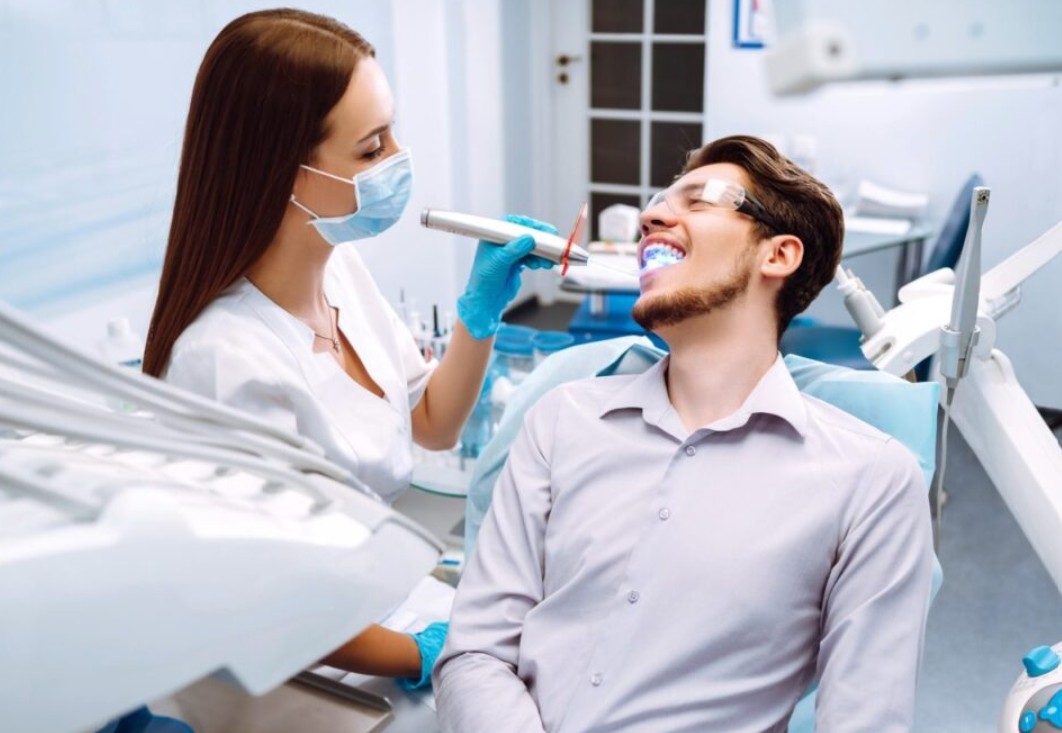
You may feel nervous before a visit. Clear steps can ease that feeling. A standard checkup often includes three steps.
- Review. You share changes in your health, medicines, or habits like smoking or vaping. The team checks your records and listens to your concerns.
- Exam. The dentist checks your teeth, gums, tongue, cheeks, and jaw. You may get X rays to see between teeth or under fillings.
- Cleaning. The hygienist removes plaque and tartar. You get tips on brushing, flossing, and fluoride use that match your life.
During each visit, your dentist also checks for signs of oral cancer. This includes sores that do not heal and patches of color that stand out. Early detection can save your life. The National Institute of Dental and Craniofacial Research explains oral cancer risks and signs.
Comparing Regular Visits And Waiting For A Problem
The choice is simple. You can schedule care or you can wait for pain. The table below shows common differences.
| Approach | What Usually Happens | Common Costs To You |
|---|---|---|
| Regular visits every 6 to 12 months | Small cavities caught early. Gum disease treated early. Fewer surprises. | Lower treatment cost. Fewer missed school or work days. Less pain. |
| Waiting until you feel pain | Infections spread. Teeth break. Gum disease worsens. | Higher bills for root canals, extractions, or implants. More missed days. More stress. |
| Skipping visits for many years | Multiple teeth lost. Strong bite and speech affected. | Need for dentures or implants. Food limits. Lower confidence. |
Regular checks do not remove every risk. They reduce the chance that a small issue turns into a crisis that drains your energy and savings.
The Impact On Children And Teens
Children who see a dentist on a routine schedule tend to keep that habit as adults. This pattern protects them as they grow.
For children and teens, consistent visits help you:
- Catch early tooth decay in baby and adult teeth
- Guide jaw growth and tooth alignment
- Talk about sports mouthguards and injury prevention
You also teach your child that care is normal, not a punishment. They learn to ask questions and to speak up about pain or fear. This skill carries into every part of their health.
How Routine Care Protects Older Adults
As you age, you face new oral health challenges. Medicines can dry your mouth. Arthritis can make brushing hard. Memory changes can disrupt daily care.
Regular dental visits help you and your caregivers:
- Adjust tools like electric brushes or floss holders
- Review how medicines affect saliva and taste
- Check dentures or implants for fit and comfort
Strong teeth and gums also lower your risk of choking and poor nutrition. You can chew more foods. You enjoy meals with family without fear of pain.
Removing Common Barriers To Regular Visits
You might avoid the dentist because of fear, cost, or time. These are real pressures. You still have choices.
- Fear or past trauma. Tell the office staff before your visit. Ask for clear step by step explanations. Bring a trusted person with you.
- Cost. Ask about sliding fees, payment plans, or clinics linked to dental schools. Check if your health plan covers preventive visits at low or no cost.
- Time. Schedule early morning or late day visits. Combine family visits in one trip when possible.
If you go years between visits, you are not alone. You can start again with one phone call. You do not need a perfect history. You only need the next step.
Simple Daily Habits That Support Each Visit
Dental visits work best when you support them at home. You do not need complex routines. You can focus on three habits.
- Brush with fluoride toothpaste two times a day for two minutes
- Clean between teeth once a day with floss or another tool
- Limit sugary drinks and snacks to set times instead of all day
These small choices give your dentist a stronger starting point. You spend less time fixing damage and more time staying ahead of it.
Claiming A Healthier Future Today
Your mouth shapes how you eat, speak, and connect with others. It also sends signals about your heart, lungs, and blood sugar. You and your family deserve a future with fewer emergencies and fewer sleepless nights from pain.
You claim that future by putting dental visits on your calendar and keeping them. You ask questions. You share fears. You work with your dentist as a partner, not a last resort.
Your next checkup is not just a cleaning. It is a step toward a steadier, safer life for you and the people you love.


About the Author