You put contacts in and move on with your day. It feels simple. Yet your eyes carry quiet risks that contacts can hide. Routine eye exams protect you from slow damage that you will not feel until it is severe. During a visit, your eye doctor checks vision, the fit of your lenses, oxygen to your cornea, and signs of infection. Next, your doctor looks for pressure changes, nerve damage, or early clouding. These changes can point to cataracts or glaucoma. You may then need a glaucoma specialist Austin to protect your sight. Regular exams catch problems early. Early action means less pain, fewer limits, and more control over your life. Skipping visits might save time now. It often leads to fear, regret, and higher costs later. You deserve clear vision. Routine exams give you that chance.
Why Contacts Increase Your Risk
Contacts sit on living tissue. Your cornea needs air and tears to stay clear and smooth. When you wear contacts, you change that balance. That change can damage your eyes over time, even when your vision still seems sharp.
Routine exams matter because contacts can cause:
- Less oxygen to the cornea. This can cause swelling and scarring.
- Dry spots. These make your eyes burn, sting, or feel gritty.
- Small scratches. These tiny cuts can let germs in.
- Infections. These can leave scars and cause permanent vision loss.
You cannot see many of these changes in a mirror. You often do not feel them until they are advanced. An eye exam catches them while treatment is still simple.
What Happens During a Routine Exam
A routine exam for contact lens wearers is more than a quick vision check. It is a full review of how your lenses and your eyes work together. You can expect three main steps.
First, your doctor reviews your story. You answer questions about:
- How many hours you wear lenses each day
- How you clean and store them
- Any redness, burning, or blur
- Your work, sports, and screen time
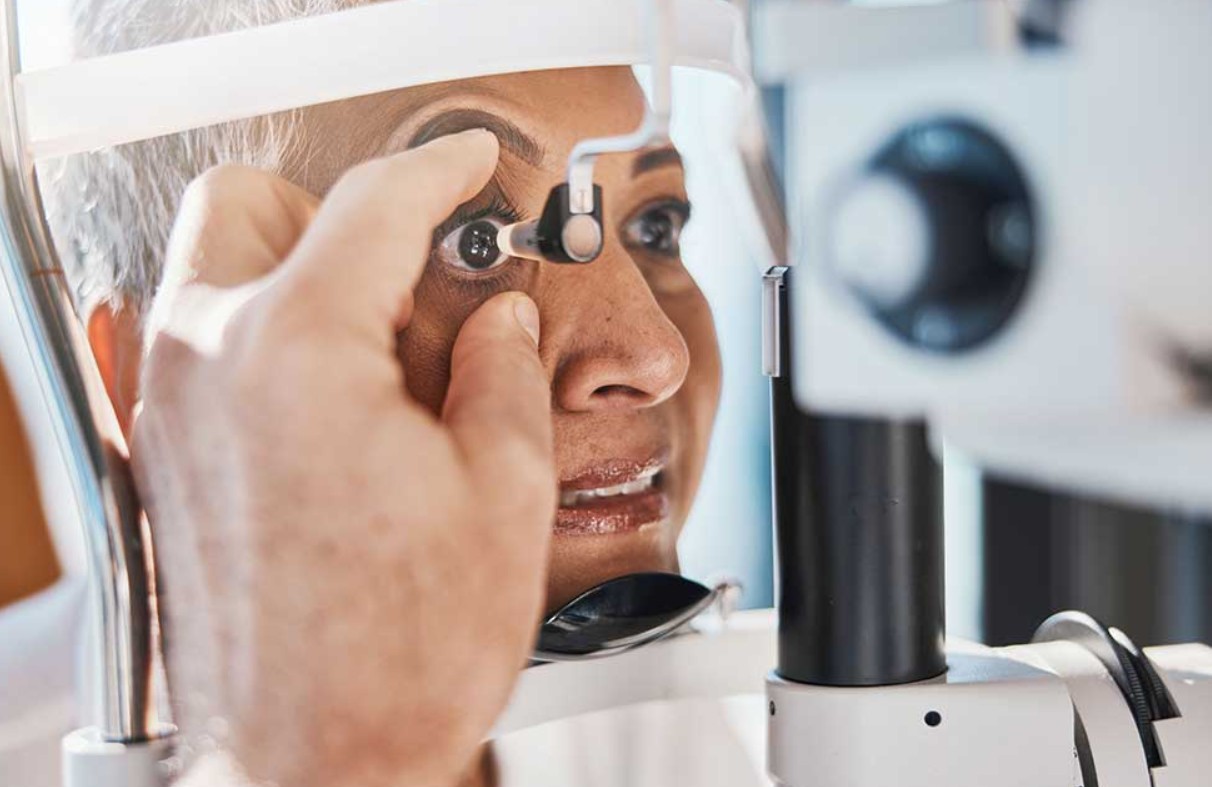
Next, your doctor checks your eyes. This can include:
- Vision testing with and without contacts
- Cornea health using bright light and magnification
- Eye pressure testing for glaucoma risk
- Retina checks for early disease
Then, your doctor reviews your contact lenses. You may have:
- A fit check to see how the lens sits on your eye
- A tear film check to see if your eye stays moist
- A review of your brand, power, and wear schedule
The Centers for Disease Control and Prevention explains that contact users face a higher chance of infections and that regular checks lower this risk. You can read more from CDC here: CDC Contact Lens Health.
How Often You Need an Eye Exam
Most contact lens wearers need at least one exam every year. Some need visits more often. Your schedule depends on your age, your health, and how your eyes respond to contacts.
Suggested Exam Frequency for Contact Lens Wearers
| Contact Lens Wearer Type | Suggested Exam Frequency | Reason |
|---|---|---|
| Healthy adult, soft daily lenses | Every 12 months | Check fit, prescription, and early disease |
| Teen or young adult | Every 12 months | Vision changes quickly in younger years |
| Over 40, contacts and reading strain | Every 12 months | Higher risk of glaucoma and cataracts |
| Dry eye or allergy symptoms | Every 6 to 12 months | Need close watching for damage |
| History of eye infection or surgery | As directed, often every 6 months | Higher risk of scarring or new infection |
The American Academy of Ophthalmology gives more guidance on eye exam timing by age and risk. You can review those details here: AAO Eye Exams 101.
Contacts, Children, and Family Safety
If your child or teen wears contacts, your choices today shape their future sight. Children often ignore pain. They may sleep in contacts, share lenses, or skip cleaning. Routine exams give you a chance to correct these habits.
During a visit your doctor can:
- Teach your child safe lens care in simple steps
- Check for signs of rubbing or overuse
- Adjust lens type if school or sports needs change
Routine exams also protect your family budget. Early treatment for a small issue costs less than emergency care for a severe infection.
Warning Signs You Should Not Ignore
Do not wait for your yearly exam if you notice any of these warning signs while wearing contacts:
- Redness that lasts more than one day
- Sudden blur or halos around lights
- Pain, light sensitivity, or a feeling that something is stuck
- Discharge or crust on your lashes
- One eye that looks or feels different from the other
Take your contacts out right away. Then call your eye doctor. Fast care can prevent permanent harm.
How Routine Exams Protect Your Future
Routine eye exams for contact lens wearers do three key things.
They protect your current comfort. Your doctor can change your lens type, cleaning method, or wear time so your eyes feel clear all day.
They guard against silent disease. Conditions like glaucoma and macular changes often start without pain. Regular pressure checks and retina exams catch them early.
They support long term independence. Clear vision helps you work, drive, and care for your family. Keeping your eyes healthy today protects your freedom later in life.
Taking the Next Step
If you wear contacts and cannot recall your last full eye exam, schedule one now. Bring your current lenses, your case, and your cleaning solution. Be open about your habits, even the risky ones. Your honesty gives your doctor the power to keep your sight safe.
Your eyes do not get a second chance. Routine exams are a simple act that protects something you cannot replace.


About the Author