Back pain can interfere with movement and everyday activities, including work and exercise. A clinical assessment helps identify its source, and the findings guide decisions about appropriate treatment. A back doctor reviews your medical history and checks for nerve involvement before recommending care suited to your diagnosis. Here is a look at how back doctor consultations can improve your quality of life:
Back Pain Diagnosis and Evaluation
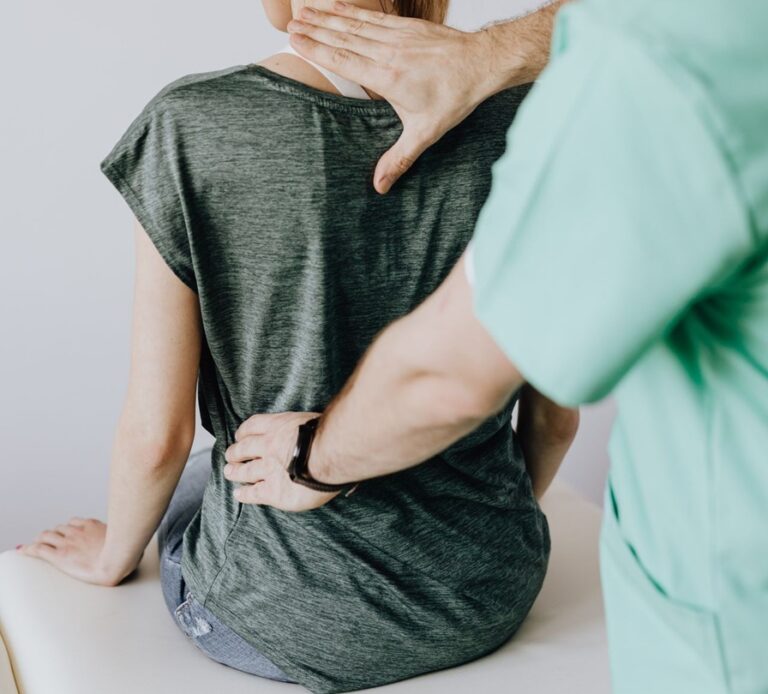
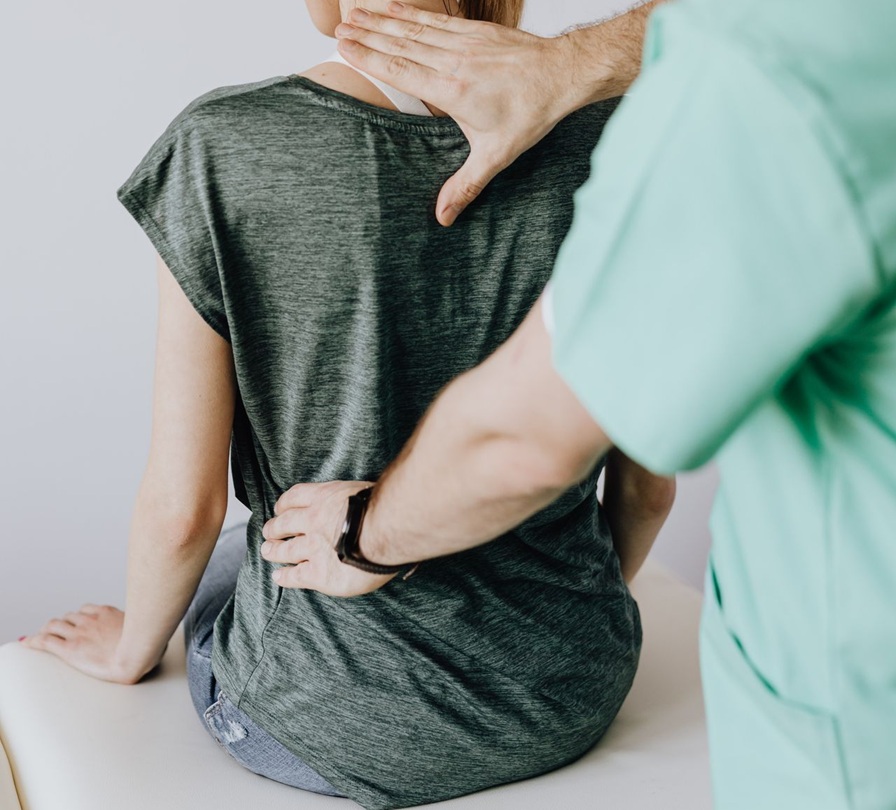
Back pain can originate from different anatomical structures, so identifying its source requires a detailed clinical evaluation. A back doctor examines the history of the back problem, including its onset and progression. The physician also reviews relevant medical information, including:
- Existing medical conditions
- Current medications
- Previous procedures
- Prior diagnostic findings
Pain characteristics also guide the assessment, particularly when discomfort extends beyond the lower back. Symptoms linked to specific movements or positions help identify structures that require further examination. An orthopedic examination and biomechanical assessment provide further information about spinal function and movement.
Previous imaging records help the physician assess spinal changes and determine whether further testing is needed. X-rays show bone structures, MRI scans provide detailed views of spinal tissues, and CT scans help assess suspected fractures. Musculoskeletal ultrasound examines selected muscles, tendons, and ligaments.
Spinal Conditions and Nerve Assessment
Back pain can result from problems involving spinal discs, joints, or nerves. Degenerative disc disease involves changes in spinal discs over time. A herniated disc occurs when soft material inside a disc pushes through its outer layer. Spinal stenosis develops when spaces around spinal nerves narrow, putting pressure on nearby nerves.
Radiculopathy results from the irritation or even compression of a spinal nerve root. Cervical radiculopathy tends to affect the neck nerves, while lumbar radiculopathy affects nerves in the lower back. Sciatica involves irritation of the sciatic nerve and often causes pain that travels from the lower back into the leg. Facet joint syndrome affects the small joints between vertebrae. Sacroiliac joint dysfunction affects the joint connecting the spine and pelvis.
Non-Surgical Pain Treatment Options
The cause of pain and the affected spinal area guide the choice of care. Epidural steroid injections place corticosteroids near spinal nerves to reduce inflammation. Corticosteroids reduce inflammation, whereas regenerative procedures use biological materials. Facet joint injections target the small joints between vertebrae, while sacroiliac joint injections treat the joint connecting the spine and pelvis.
Platelet-rich plasma (PRP) is prepared from the patient’s own blood. The process concentrates platelets, which release growth factors involved in tissue repair. PRP is used for selected sports and orthopedic injuries affecting joints, tendons, ligaments, and muscles. It also has applications in selected spinal conditions.
Personalized Rehabilitation Plans
Rehabilitation helps restore movement, strength, and function after a spinal or orthopedic procedure. Each recovery plan follows the injury, affected body part, and procedure performed. A patient recovering from spinal stenosis needs different exercises than someone healing from a muscle or ligament injury. The physician uses these details to guide exercise and activity during recovery. Exercise helps improve flexibility, build strength, and support normal movement. Patients receive instructions about suitable exercises, activity limits, and movements to avoid.
Also Read: When To See a Doctor About Pain?
Consult a Back Doctor
Persistent back pain needs a proper evaluation to identify its cause and how it affects daily movement. A back doctor reviews the findings and recommends care suited to the diagnosed condition. Rehabilitation helps restore movement and strength, while practical guidance helps reduce strain on the spine. Visit a physician to discuss your back pain.


About the Author