Organizations that grow beyond a certain size find that managing workforce capacity through spreadsheets and individual managers’ judgment stops working before anyone explicitly decides it has stopped working. The signals are gradual: projects run short on the right skills, hiring decisions are made reactively rather than ahead of demand, and learning and development investments do not align with where capability gaps are emerging. By the time the problem is visible in outcomes, it has been present in the data for longer than anyone would prefer.
Resource management software addresses this structural problem, where workforce planning data is dispersed across HR systems, project management tools, finance forecasts, and individual managers’ knowledge, with no single operational view connecting all of it. The absence of that connected view is what makes capacity decisions reactive rather than anticipatory.
What Workforce Planning Software Does
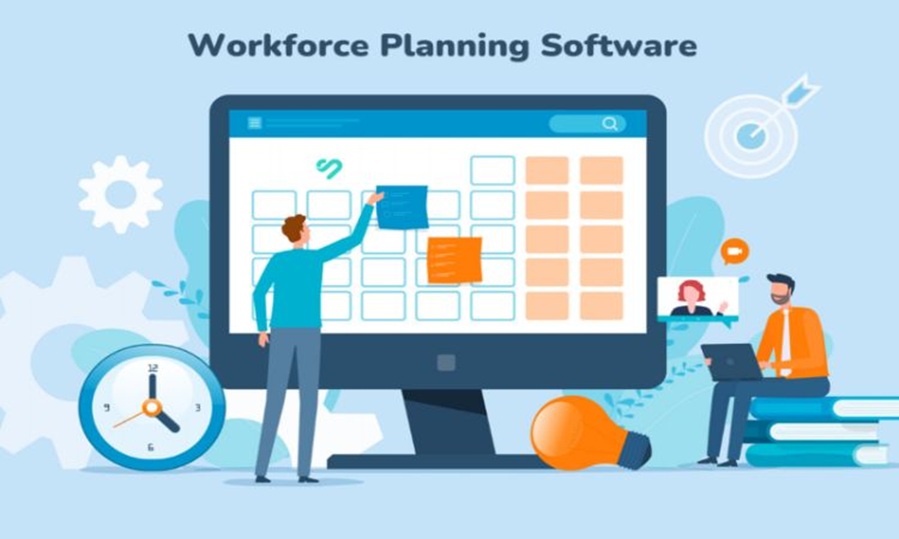
Workforce planning software brings together the essential data sources that capacity planning requires: current headcount and skills profiles, project demand forecasts, hiring pipelines, and learning and development plans. The platform makes the gap between current capability and projected demand visible in a way that spreadsheet reconciliation cannot sustain at scale.
The output of a well-configured workforce planning platform is not merely a report. It is an operational view that allows workforce decisions, including hiring, redeployment, development, and project staffing, to be made against an accurate picture of the current state and projected needs, rather than against assumptions that may not have been updated since the last planning cycle.
The Strategic Capacity Planning Use Case
Strategic capacity planning uses the workforce planning platform to look further ahead than immediate project staffing decisions. The question shifts from who is available for the project starting next month to what capabilities will the organization need in twelve or eighteen months, and what is the plan to develop or acquire them in time.
This forward view is what separates a workforce planning function that reacts to demand signals from one that shapes them. A business unit that identifies a capability gap eighteen months ahead has time to develop existing staff, adjust hiring criteria, or structure projects to build the capability through delivery. The same gap identified at two months’ notice typically produces an expensive contractor or a compromised project.
The resource management software platform at ProFinda is built around this strategic planning capability, connecting current workforce data to demand forecasting in a way that supports the longer-horizon decisions that determine organizational capacity.
Skills Visibility as the Foundation
Strategic capacity planning tool depend on an accurate picture of what skills exist in the workforce. A planning model built on incomplete or outdated skills data produces gaps that reflect data quality problems rather than actual capability shortfalls. The skills intelligence layer within a workforce planning platform identifies what capabilities exist, at what proficiency levels, and in which parts of the organization, providing the foundation that planning analysis requires.
The workforce planning software and strategic workforce planning tool capabilities within ProFinda combine skills intelligence with demand forecasting and scenario modeling, allowing planners to test different staffing strategies against projected demand before committing to specific hiring or development investments.
Also Read: 7 Essential Components of a Modern Workforce Strategy
Why the Investment in Proper Planning Infrastructure Pays Back
The cost of reactive workforce planning shows up in several ways that are rarely attributed to the planning failure that caused them. Contractor spend that could have been avoided with better foresight. Project delays caused by skills gaps that were predictable but not anticipated. Staff turnover was driven by development opportunities that were never visible or offered because no one had the data to identify who needed what. A workforce planning platform that makes these patterns visible before they become outcomes pays back its operational cost through the decisions it improves rather than through any single measurable efficiency.


About the Author