A difficult case isn’t always the first sign of a bad tooth extraction. In some cases, it begins with the selection of an incorrect pair of forceps. It becomes loose, the handle feels unsecured, and an easy pull-out becomes a longer, messier process than anyone expected it to be.
That’s why good forceps technique is more important than many clinicians realize. The key to the clean extraction is using the correct instrument, correctly positioned, with controlled movement.
This article addresses the most frequently made errors by the clinician using dental forceps and what to do differently.
Proper Use Of Dental Forceps Technique Is Important
Atraumatic extraction is more than a clinical goal; it has consequences for patients. If the forceps are used properly, there will be no damage to the bone or soft tissue and the healing process will look quite different.
Research published in PMC shows that operator technique is one of the most controllable factors affecting post-extraction complications. The success of the instrument handling by the clinician in the beginning will directly affect the number of instrument slips, root fractures, and follow-up visits.
Common Mistakes When Using Dental Forceps
1. Using the Wrong Forceps for the Tooth Type
The upper and lower forceps cannot be switched. Every design is based on a particular root anatomy, and the shape, bend and angle of the beak are all deliberate. If an instrument is inappropriate, the beaks will never be able to adapt to the root surface. This leads to poor grip, pressure spread imbalance and increased risk of crown fracture or root tip retention.
Before extraction, make sure that the right instrument is used for the right tooth and arch. Each of the upper molar forceps with its offset beak, the lower premolar forceps, and the upper anterior forceps exists for a reason.
2. Applying Excessive Force
It is here that many complications start. According to a study published in PubMed, the forces involved in fracturing a tooth during a tooth extraction are sometimes quite small compared to the amount of normal extraction force, leaving a narrow margin of error.
Excessive twisting and sudden pressure put the root in extreme danger of fracture, damage to the buccal bone plates, and soft tissues. Deliberate, controlled movement; gradual expansion and a smooth delivery are the differences between the skilled and the damaging extraction. If the tooth does not move, this is rarely the answer and is unlikely to require more forceful treatment. It is generally a better luxation, a different angulation or a re-evaluation of root anatomy.
3. Poor Beak Positioning
All the right forceps can cause damage if the beaks are not positioned correctly. Before beginning any rotation or luxating movement, the beak position must be as apical as possible (just below the cementoenamel junction). If placed too high up on the crown, it will be an unstable position and too much stress will be placed on the coronal structure.
One of the most frequent problems during surgery is slipping forceps. It is easier to get the beak right the first time than when force is being applied.
4. Ignoring Tooth and Root Anatomy
Not every tooth will produce the same response to pressure from forceps. The modified approach will be used for curved roots, divergent roots and fused roots. When the same technique is used on multi-rooted teeth, they are much more likely to fracture.
Radiographic review is a requirement prior to surgery. A glance at the periapical radiograph supplies important information: root length, root curvature, proximity to adjacent structures and problems of hypercementosis or ankylosis. This is one of the most common causes of simple extractions going wrong.
5. Using Dull or Poor-Quality Forceps
The quality of instruments directly influences the control of the procedure. A dull beak won’t grip effectively and the clinician must make up for that with more pressure. Loose hinges result in inconsistent force delivery. Misaligned beaks cause unequal stress on the root.
Less efficient forceps also cause fatigue. If the instrument doesn’t react in a predictable manner, more effort is expended on controlling the tool rather than the procedure. Tooth extraction forceps are an investment in well-made tools to maintain control in extractions.
6. Inadequate Instrument Maintenance
Even top-quality forceps can break if they are not properly cared for. If sterilization is repeated without proper cleaning procedures, corrosion, joint stiffness and mal-alignment of the beak result. As part of every clinical day, inspection should be carried out before use, including hinge movement, surface condition and beak alignment.
Features of High-Quality Dental Forceps
If you’re assessing extraction forceps, some are sure to stand out as good while others aren’t:
- Surgical-grade stainless steel: tested to withstand corrosion and repeated sterilization.
- Erosion-resistant material: safeguards against scratches and minimizes wear over time
- Precise fit of the beak: guarantees even, symmetrical contact with the tooth surface
- High-temperature resistance: a high-temperature autoclave is required to maintain the stability of instruments without warping.
- Balanced weight distribution: A stronger grip allows for more balanced weight distribution, is easier to control and lessens the strain on the operator.
High-quality manufacturers like Next Edge Surgical LLC create dental forceps designed to be precise, durable and capable of withstanding repeated sterilization in demanding clinical situations.
How Modern Clinics Minimize Extraction Errors
Well-managed clinics have a systematic method for minimizing errors in addition to the selection of instruments. In a study published in PMC, they found that about 10% of patients have complications after dental extraction surgery, and one of the most important factors was the experience of the operator. Clinics with low numbers practice the following:
- High-quality preoperative assessment: not just complex cases, but a radiographic review before each extraction.
- Well-organized extraction trays: With proper instruments pre-checked prior to the procedure.
- Routine instrument check: (forceps worn and not aligned, caught before the patient)
- Minimally traumatic extraction technique: a method that adopts a structured, controlled force delivery and a gradual tooth delivery rather than rushing the extraction.
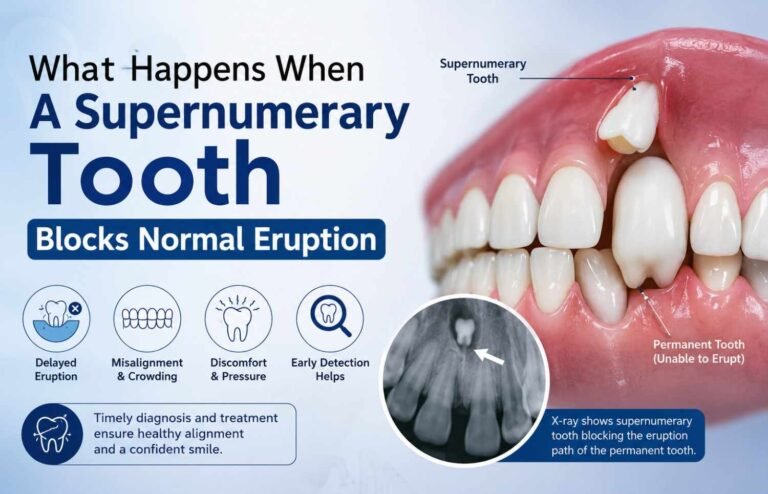
Also Read: What Happens When A Supernumerary Tooth Blocks Normal Eruption
Conclusion
The technique of using forceps is the key to safe extractions. Each step of selection of the instrument, positioning the beak, and application of force directly influences patient outcomes and what the clinician can manage postoperatively. To achieve this on a regular basis, you must have the right instruments, good preoperative practices, and a disciplined technique. Clinics that incorporate all three into their practice experience reduced complications and smoother-running procedures. If you’re looking for precision-made extraction instruments that suit real-world clinical needs, you should consider Next Edge Surgical.
Frequently Asked Questions
Q: What is the most common mistake when using dental forceps?
One of the most common is inadequate placement of the beak. If the crown is higher than the cementoenamel junction, then it is easier to lose grip, and the probability of fracture rises.
Q: How do I know if I am applying too much force?
When the tooth doesn’t budge with continued pressure, additional force will not help the tooth. Resistance almost always indicates that the pull needs to be increased or the angulation changed, not that the pulling needs to be made harder.
Q: Does forceps quality really impact clinical outcome?
Yes. Loose hinges, dull beaks and lack of alignment lead to loss of grip control. Worn instruments require excessive pressure to be used when they are in use, increasing the risk of complications.
Q: How often should dental forceps be checked?
Before every use, a quick examination of hinge movement, beak alignment and condition of the surface can take only seconds, and damaged instruments can be caught before they reach the patient.
Q: Can the wrong forceps fracture the roots?
Absolutely. When forceps are mismatched, they cause the beak to hit the root on an uneven surface, which results in the application of pressure to a smaller area, thus greatly increasing the risk of root fracture.


About the Author