You notice your pet acting a little off, or maybe you are trying to stay ahead of problems before they start. Either way, the questions pile up fast. Do they need vaccines now or can it wait? Is that limp serious? Why does one visit seem simple and the next one comes with lab work, follow-ups, and a bigger bill than expected? If you have ever left a veterinary office still turning things over in your head, you are not alone, and a Winnipeg, MB veterinarian can help you make sense of it all.
Most people want the same thing. Clear answers, fair guidance, and care that protects the animal they love without making every decision feel overwhelming. The short version is simple. Veterinary clinic services cover prevention, diagnosis, treatment, and ongoing support, and knowing what is routine versus urgent can save you stress, money, and sometimes your pet’s health.
Veterinary clinic services cover more than shots and sick visits
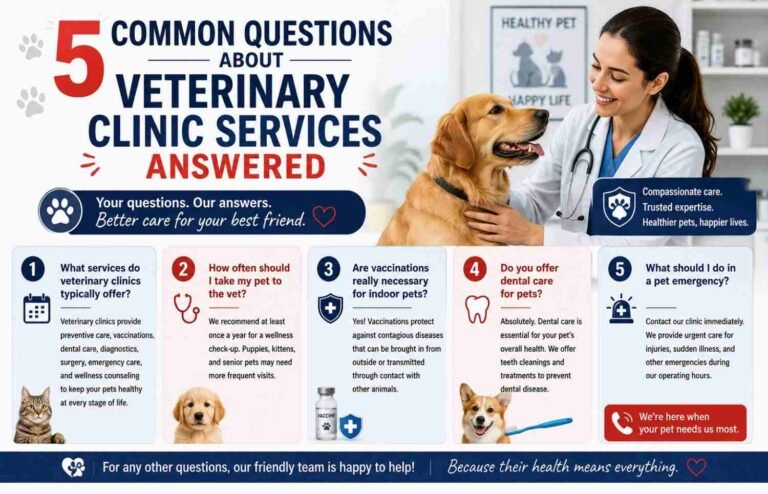
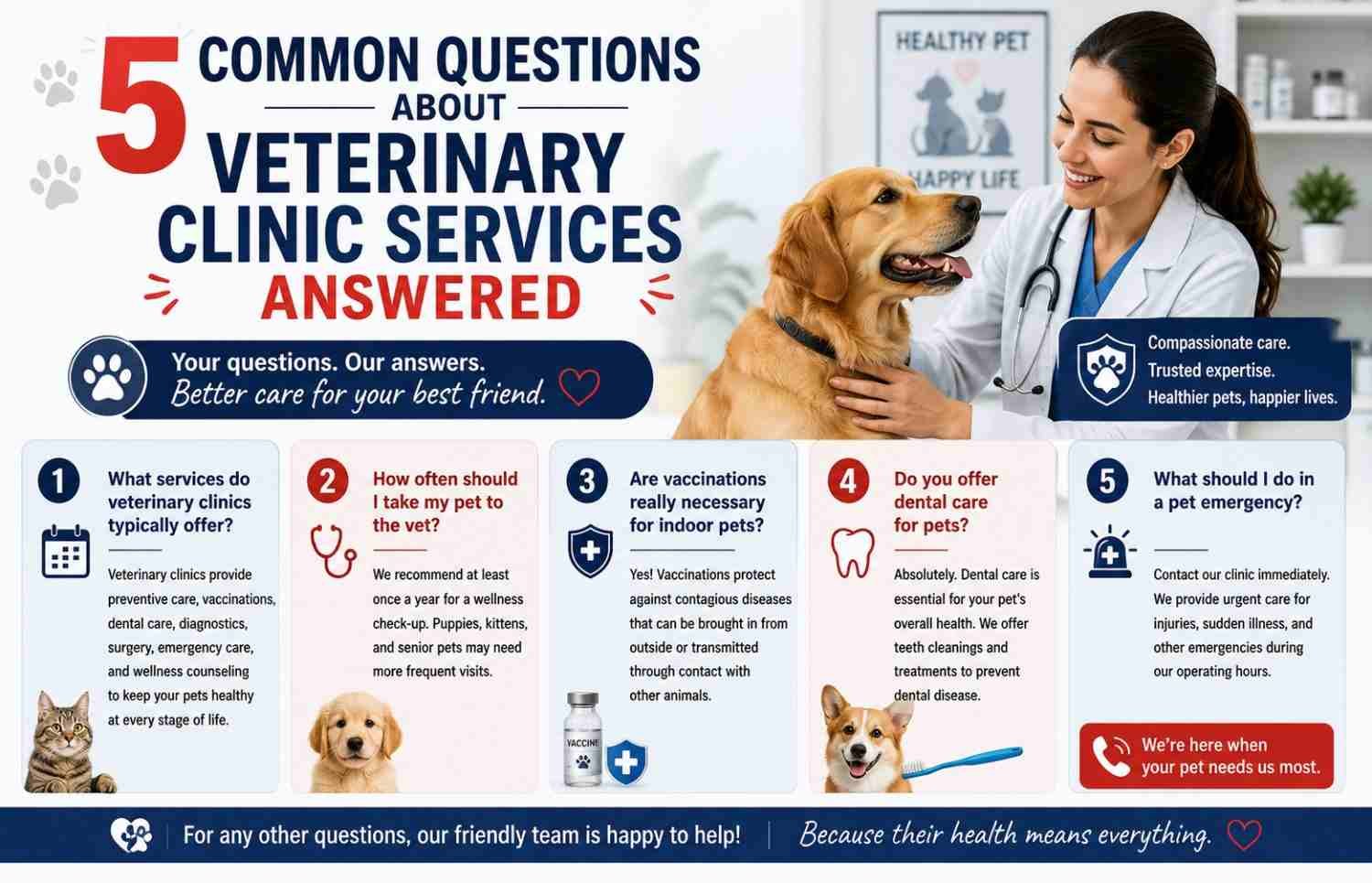
One of the most common misunderstandings is that a veterinary clinic is mainly for vaccines or emergencies. In reality, routine care is a big part of keeping pets stable over time. A standard visit may include a physical exam, dental checks, parasite prevention, nutrition guidance, behavior concerns, lab testing, and age-based screenings.
That matters because many health issues start quietly. A dog can have early dental disease long before it stops eating. A cat can hide pain so well that kidney trouble or arthritis goes unnoticed until the condition is harder to manage. Regular care helps catch changes earlier, when treatment is often simpler and less expensive.
If you want a reliable overview of pet health and safety, the CDC offers practical guidance on healthy pets and animals that supports what many clinics discuss during preventive visits.
Emergency signs need prompt veterinary care, even when symptoms seem small
A lot of pet owners second-guess themselves here. You do not want to overreact, but you also do not want to miss something serious. That tension is real, especially at night or on a weekend when every choice feels heavier.
Some symptoms should move you from watchful waiting to immediate care. Trouble breathing, repeated vomiting, bloating, collapse, seizures, major wounds, inability to urinate, suspected poisoning, and sudden weakness are all urgent. So is a major behavior shift in a pet that usually acts like itself. When an animal goes quiet, hides, or seems restless and uncomfortable, that can be the only visible clue that something is wrong.
The hard part is that pets do not explain pain. They compensate until they cannot. Waiting a day on a mild stomach upset may be reasonable if your veterinarian has advised that approach before, but delaying care for a blocked cat or a dog with heatstroke can turn into a crisis fast. This is where veterinary clinic services earn their value. They help sort out what is minor, what needs monitoring, and what cannot wait.
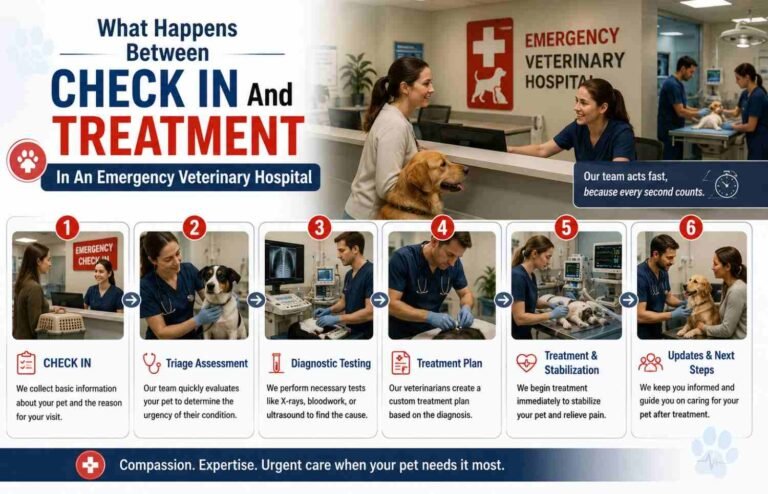
Also Read: What Happens Between Check In And Treatment In An Emergency Veterinary Hospital
Diagnostic testing explains why treatment plans and costs can change
Many owners feel blindsided when a visit that starts with “my pet seems tired” turns into blood work, imaging, or a urine test. That shift can feel frustrating, especially if the symptoms looked simple from the outside. The problem is that the same outward sign can point to very different causes.
Lethargy might be dehydration, infection, pain, diabetes, anemia, or something else entirely. Limping might be a soft tissue strain, a paw injury, arthritis, or a fracture. A good treatment plan depends on narrowing down the cause instead of guessing. That is why diagnostic testing is not extra for the sake of extra. It is often the shortest path to the right care.
This is also where asking direct questions helps. What is the test for? What decision will it change? Is it urgent today or reasonable to stage over time? A good clinic should be able to answer those clearly.
Preventive care usually costs less than delayed treatment
People often ask whether routine visits are really necessary for indoor cats, younger dogs, or pets that “never get sick.” It makes sense to wonder. If your pet seems fine, prevention can feel optional. The trouble is that silent problems stay silent until they are not.
| Type of Care | What It Often Includes | Common Benefit | What Can Happen If Delayed |
|---|---|---|---|
| Preventive visit | Exam, vaccines, parasite screening, wellness labs | Finds problems early and reduces disease risk | Hidden illness progresses without signs |
| Dental care | Oral exam, cleaning, treatment planning | Reduces pain, infection, and tooth loss | Advanced dental disease, eating changes, chronic pain |
| Urgent sick visit | Exam, diagnostics, medication, supportive care | Addresses sudden illness before it worsens | Condition becomes more severe and more expensive to treat |
| Chronic condition monitoring | Follow-up exams, lab work, medication review | Keeps long-term disease stable | Setbacks, emergency episodes, medication complications |
For a broader public health view, the CDC’s page about healthy pets explains how regular animal care supports both pet wellness and household safety. Federal guidance also reflects how important proper veterinary oversight is in animal care settings, as shown in the USDA APHIS information on veterinary care requirements.
Common veterinary service questions usually come down to trust, timing, and communication
Another concern sits underneath almost every appointment. Can you trust the recommendation in front of you? That is a fair question, especially when emotions and money are both involved. The answer often depends less on the procedure itself and more on whether the clinic communicates well. You should know what the concern is, what the next step is, what happens if you wait, and what the likely cost range looks like.
A strong pet clinic services guide would always include this point. Good medicine and good communication belong together. If you leave feeling confused, ask for the plan again in plain language.
Three steps you can take before the next veterinary visit
Track symptoms clearly. Write down when the problem started, how often it happens, changes in eating, drinking, bathroom habits, energy, and anything your pet could have gotten into. A short video of coughing, limping, or unusual behavior can help more than a vague description.
Ask for priorities. If your veterinarian recommends several services, ask which ones matter most today, which ones can wait briefly, and which ones answer the biggest medical question. That makes the plan easier to manage.
Build a preventive routine. Schedule wellness exams, stay current on vaccines and parasite prevention, and follow up on dental or lab recommendations before they turn into urgent problems. Routine care is the part of a veterinary clinic relationship that often saves the most trouble later.
Caring for a pet comes with guesswork, emotion, and the constant fear of missing something. That does not mean you are doing it wrong. It means you care. When you understand how veterinary clinic services work, the decisions get clearer, and your pet gets the benefit of faster, steadier care.


About the Author