You might be watching your pet sleep and wondering how on earth you are supposed to hand them over for surgery without falling apart. Maybe your Churchville veterinarian vet mentioned anesthesia, bloodwork, or fasting, and now your mind is racing with every “what if” you can think of. You are not overreacting. Surgery for a pet feels personal. It is your family.
Because of that, it helps to know what actually happens before the procedure. When you understand the 4 steps general veterinarians take before surgery, the whole process feels a little less mysterious and a lot more manageable. In short, your vet will check your pet’s health, plan anesthesia carefully, prepare your pet’s body, and set you up with clear instructions so you know what to watch for. Those steps are there to protect your pet and to give you some peace of mind.
Why does surgery feel so scary when your vet does it every day?
From your side, it can feel like you are handing your pet into a back room and hoping for the best. You may worry about anesthesia risks, pain, or whether you are doing the right thing at all. If you are also thinking about cost, time off work, or how your pet will handle recovery, the stress adds up fast.
From your veterinarian’s side, surgery is never “routine” in the casual sense. Even a standard spay, neuter, or dental cleaning is treated with care. Vets follow a series of pre surgical steps to lower risk and catch problems early. When people do not realize those steps are happening, it can feel like very little is being done, when in reality there is a quiet, organized system working in the background for your pet.
So where does that leave you? Somewhere between fear and trust. That is exactly where understanding helps.
Step 1: How do vets check that your pet is healthy enough for surgery?
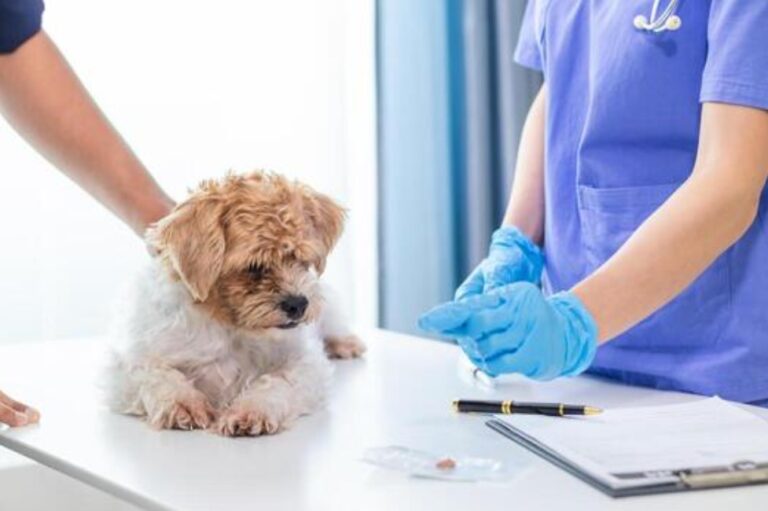
The first step in pre operative veterinary care is a full health assessment. Your vet is not just listening to the heart and saying “sounds fine.” They are looking for anything that could make anesthesia or surgery riskier.
This usually includes a physical exam and often bloodwork. The exam can reveal heart murmurs, breathing issues, or signs of pain that your pet hides at home. Blood tests can show problems with the liver, kidneys, or red blood cell count that might not be obvious yet. Many practices share written guides on this, such as this what to expect with anesthesia overview, which explains why these checks matter.
If something unexpected shows up, your vet might adjust the anesthesia plan, recommend further testing, or in some cases postpone the procedure. That can feel frustrating when you have taken time off work or arranged transport, but it is a sign that your vet is putting safety over speed.
Step 2: What planning happens around anesthesia and pain control?
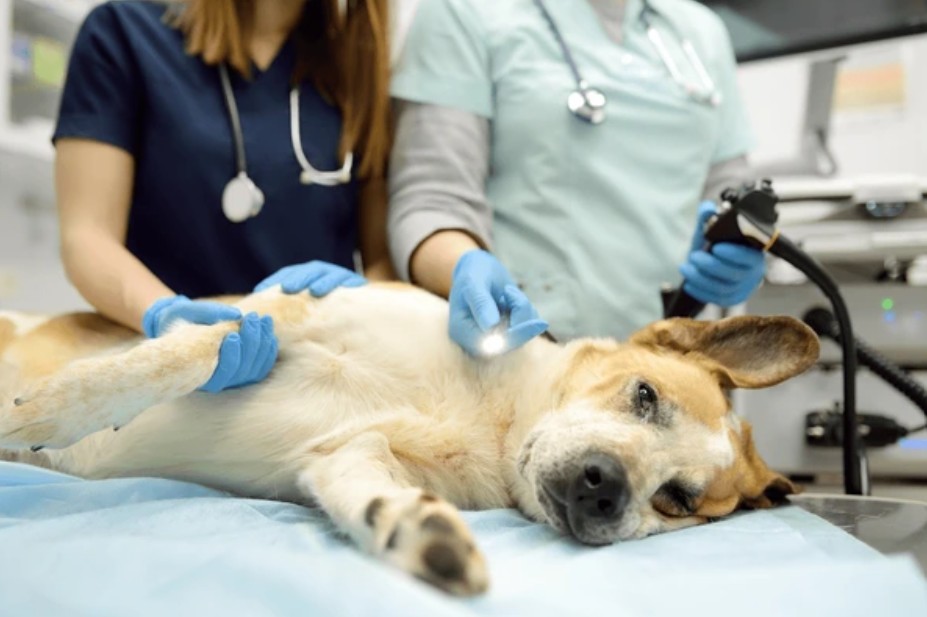
Once your pet is cleared, your veterinarian plans how to keep them asleep and comfortable. This is where the “general veterinarian” role is more than just the person who does shots and checkups. They decide which drugs to use, how much, how to support breathing, and how to control pain before, during, and after surgery.
The plan can change based on age, breed, and health. A young, healthy dog coming in for a spay will have a very different approach than a senior cat with early kidney disease who needs a dental cleaning. Your vet might also talk with you about your pet’s anxiety and how they handle the clinic environment so they can reduce stress on the day.
Because of this, you may hear terms like “pre meds” or “monitoring.” These are not just technical words. They reflect a careful, step by step plan to keep your pet stable and comfortable the entire time.
Step 3: How do vets prepare your pet’s body before surgery day?
The third step in the veterinary surgery preparation process is making sure your pet’s body is ready. This is where your part and your vet’s part meet.
Your vet will usually ask you to withhold food for a certain number of hours before anesthesia. This is to lower the risk of vomiting and aspiration while your pet is asleep. Water instructions may differ. You might also be told to give or skip certain medications. Many clinics provide written handouts with these details, similar to this guide on preparing your pet for surgery.
On the clinic side, staff will check your pet’s weight, confirm any recent changes in health, place an IV catheter if needed, and clip fur at the surgical site. For dental procedures, they might review recent bloodwork, take X rays, and plan which teeth may need attention. Some clinics outline what to expect in resources like this dental procedure preparation guide.
None of this is busywork. Each step reduces small risks, and together those small reductions make anesthesia and surgery safer.
Step 4: What conversations should happen before you say goodbye at the door?
The final step in the 4 steps general veterinarians take before surgery is communication with you. This is where questions about cost, consent forms, and aftercare need honest answers.
Your vet or a team member should walk you through what will happen, what the risks are, what the benefits are, and what recovery will look like at home. You should know who to call if something feels off after surgery and what is considered an emergency. When this step is rushed, you can leave the clinic feeling unsteady, even if your pet is in good hands.
If anything is unclear, this is the time to speak up. You are not being difficult. You are being a responsible advocate for your pet.
How do the risks and benefits of surgery compare to “waiting and seeing”?
People often wonder whether they should move forward with surgery now or wait. There is no one answer, but it helps to look at the tradeoffs side by side.
| Choice | Possible Benefits | Possible Risks | Real life example |
|---|---|---|---|
| Proceed with recommended surgery | Treats or removes the problem. Prevents worsening disease. Often lowers long term costs. | Anesthesia risk, surgical complications, upfront expense, recovery time. | Removing a small tumor early can prevent a more aggressive cancer later that needs complex care. |
| “Wait and see” without surgery | No anesthesia right now. No immediate surgical cost. Time to seek a second opinion. | Condition may worsen. Pain may increase. Future surgery could be more extensive and expensive. | Delaying a dental cleaning can lead to infected teeth that eventually need extractions and stronger pain relief. |
| Ask about alternatives or staged care | Can match treatment to budget and pet’s health. May use medication or monitoring first. | May not fully fix the problem. Requires close follow up and clear limits on “watchful waiting.” | Using pain control and weight loss before deciding on orthopedic surgery for a senior dog. |
If you feel stuck, ask your veterinarian what they would do if this were their own animal. Many people find that question cuts through a lot of uncertainty.
What can you do right now to feel more prepared?
1. Write down your questions before the pre surgical visit
It is easy to forget what you wanted to ask once you arrive at the clinic. Take a few minutes at home to list your biggest worries. For example, “How will you keep my pet warm during surgery” or “What pain medication will they go home with.” Bring the list and check things off as they are answered.
2. Share every detail about your pet’s recent health and behavior
Tell your vet if your pet has been coughing, drinking more water, acting more tired, or reacting oddly to previous medications. Even if it seems small, it can change the anesthesia plan or prompt extra testing. Honest information is one of the most powerful safety tools you have.
3. Prepare your home for a calm recovery
Before surgery day, set up a quiet, comfortable space where your pet can rest away from stairs, small children, or other animals that may bother them. Have any prescribed medications ready near that area with clear labels. Plan how you will limit jumping, running, or chewing at the incision. A bit of preparation now can prevent stressful complications later.
Also Read: The Digital Frontier: Navigating the Complexities of International Sports Aggregators
Moving forward with more clarity and less fear
Feeling anxious before your pet’s procedure does not mean you are weak. It means you care. Understanding these 4 steps general veterinarians take before surgery can help you see that there is a thoughtful process built around your pet’s safety and comfort.
You do not have to become an expert in anesthesia or general veterinarian procedures overnight. You only need enough clarity to ask good questions, follow the plan, and notice when something seems off. With that, you and your veterinary team can work together to give your pet the best chance at a safe surgery and a smooth recovery.


About the Author