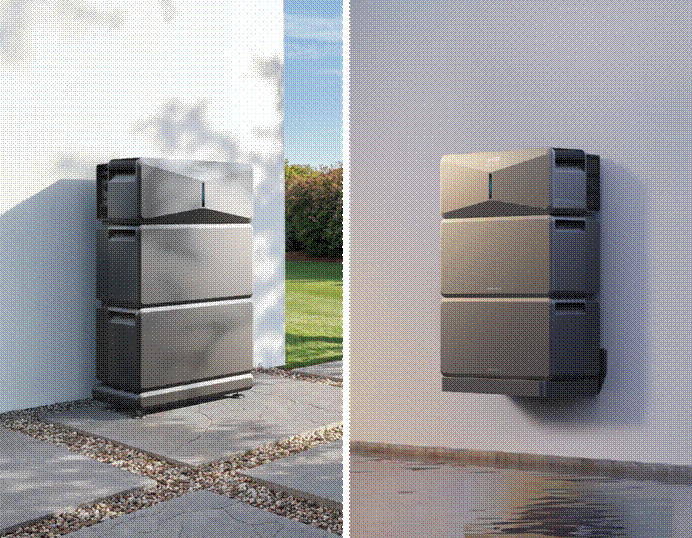
Solar battery storage is transforming how homeowners manage their energy use, providing reliable backup power, cost savings, and greater independence from the grid. By harnessing the sun’s energy through solar panels and storing it in batteries, you can optimize your home’s energy efficiency and reduce electricity bills. This blog will explore practical tips to help you choose, install, and maximize your solar battery storage system. From understanding your energy needs to selecting the right battery type and optimizing performance, these insights will empower you to make informed decisions and enhance your home’s energy sustainability.
Identify Your Home’s Energy Needs
Understanding your home’s energy needs is crucial for selecting the right solar battery system. Begin by assessing your daily power consumption and setting realistic goals. These goals will guide your decisions on battery type, size, and system capacity, ensuring your setup addresses your specific requirements and enhances your home’s energy solution sustainably.
Calculate Your Daily Power Use
To calculate your daily power use, list all electrical appliances and devices in your home. Include their wattage and average daily usage hours. Use energy monitoring tools like smart meters to track consumption more precisely. For each device, multiply wattage by hours of use to find the daily watt-hours. Finally, sum these values to determine your total daily consumption. Identifying peak usage times will help you tailor your battery size and system to your living patterns, ensuring sufficient energy storage and optimal solar panel performance throughout the day and night.
Set Your Goals: Backup, Savings, or Energy Independence
Setting your energy goals begins with deciding your primary focus—backup power, savings, or energy independence. For backup power, prioritize batteries with high capacity and fast response times to handle outages. If cost savings are your goal, opt for systems that efficiently store and utilize solar energy, reducing reliance on grid electricity. Lastly, aim for energy independence by selecting battery solutions that cover all your daily needs, enabling off-grid living. By aligning your goals with your energy strategy, you’ll ensure that your solar battery system meets your expectations and maximizes benefits.
Choose the Right Battery Type
Selecting the right battery type involves comparing options based on technology, performance, and suitability for your needs. Consider factors like efficiency, cost, lifespan, and environmental impact to make an informed choice.
Lithium-Ion, Lead-Acid, and Other Options
Lithium-ion batteries are popular for their efficiency, lightweight design, and long cycle life. They deliver high performance for their size, making them great for homeowners looking for reliable, compact solutions. Lead-acid batteries are initially cheaper but have shorter lifespans and lower energy density. They work well for larger systems where space isn’t a concern. Other options, like nickel-cadmium or flow batteries, offer unique benefits but can be costlier and less accessible. Consider storage capacity, installation requirements, and maintenance needs of each type, ensuring your choice aligns with your budget and energy goals.
Balance Cost, Lifespan, and Performance
Balancing cost, lifespan, and performance when choosing a solar battery involves understanding trade-offs. High-performance batteries like lithium-ion may have higher upfront costs but offer greater efficiency and longevity, reducing long-term expenses. Conversely, lead-acid batteries may save on initial investment but require more frequent replacements, impacting overall cost-effectiveness. Analyze warranties, maintenance costs, and recycling options to assess the true value over time. Prioritize systems that offer reliable energy storage, align with your budget, and deliver sustainable performance for years.
Optimize Battery Size and System Capacity
Optimizing battery size and system capacity involves matching storage to your load and planning for future growth. By accurately gauging current and anticipated energy needs, you ensure efficient power management and adaptability.
Match Battery Size to Your Load
To match battery size to your load, start by identifying peak energy consumption times. Use data from smart meters or energy audits to pinpoint hours where demand spikes. Choose a battery that can comfortably support these peaks, ensuring smooth operation and avoiding system stress. Consider devices like electric vehicles or high-energy appliances that contribute significant load. Matching battery size properly avoids overstrain and maximizes storage use efficiency, enhancing system reliability and lifespan.
Plan for Future Growth
Plan for future growth by anticipating increases in energy consumption. Consider lifestyle changes, like new appliances or family expansion, which will heighten demand. Evaluate advancements in battery technologies that may become viable options. Ensure your system’s capacity accommodates expansions and upgrades, avoiding premature obsolescence. Engage with contractors or energy consultants for projections and system scaling advice. Forward-thinking planning avoids unnecessary adjustments, saving resources and enhancing resilience.
Maximize Daily Performance
Maximize your solar battery system’s daily performance through strategic charging and discharging practices and continuous usage monitoring. Employing smart tools and insights ensures optimal efficiency and longevity.
Best Practices for Charging and Discharging
Adopt best practices by aligning charging and discharging cycles with production patterns. Charge batteries when solar energy generation peaks, usually midday, to harness maximum sunlight. Curate discharge times to align with your home’s peak energy requirement, typically evenings and early mornings. Use programmable settings to automate cycles, enhancing precision. Avoid complete discharges to preserve battery health, instead, aim for partial discharges that extend lifespan. Regularly recalibrate system settings based on usage data, ensuring consistency and efficiency.
Monitor Usage With Smart Tools
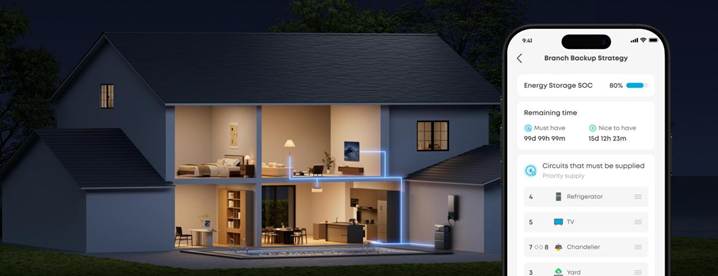
Leverage smart tools like energy management software and mobile apps to monitor usage and optimize system efficiency. These tools provide real-time insights on energy production, consumption, and storage, empowering you to make timely adjustments. Analyze historical data to reveal patterns and identify opportunities for cost savings. Set alerts for maintenance needs or unusual consumption spikes to proactively address issues. By leveraging technology, you ensure a well-managed system that adapts to changing conditions and maximizes performance.
Also Read: How to Get the Most Out of Your Solar Panels For Home?
Conclusion
Solar battery storage systems enable homeowners to gain control of their energy use, reduce costs, and plan for sustainable futures. By understanding energy needs, choosing the right battery type, and optimizing system capacity, you create a tailored solution that aligns with your goals. Employing best practices in charging and monitoring further enhances the system’s performance and longevity. As technology evolves, staying informed and adaptive will ensure your battery system remains efficient and effective. By following these tips, you can confidently select and maintain a solar battery system that meets your home’s energy needs successfully.


About the Author