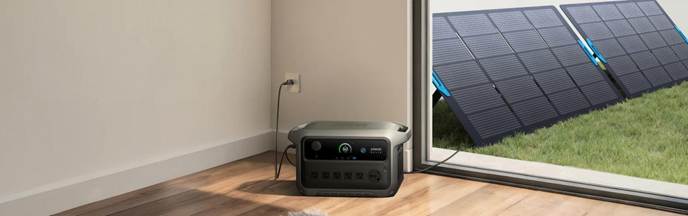
Maintenance often determines how long an inverter generator performs reliably, yet many owners assume its care routine mirrors that of a conventional fuel-powered generator. The truth is more nuanced. While inverter generators share some basic upkeep requirements with standard models, they rely on sensitive electronics, regulated power modules, and advanced conversion systems that require a different maintenance mindset.
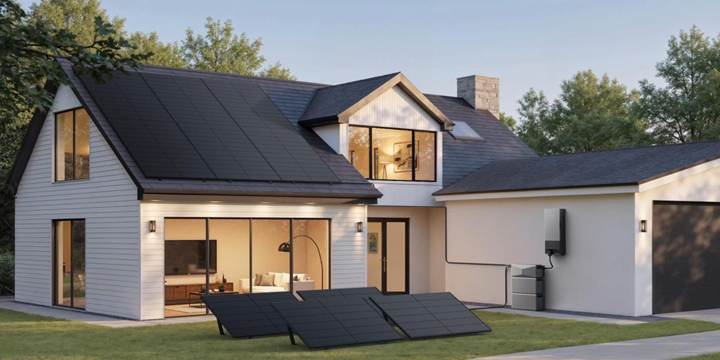
Adding solar capability changes the picture even further, because solar-assisted systems reduce mechanical strain and introduce new maintenance priorities such as panel positioning and surface care. Understanding these distinctions helps homeowners extend equipment life and avoid unnecessary repair costs. Systems like the Anker SOLIX C2000 Gen 2 with a 400W solar panel simplify the process, but knowing what makes inverter generator maintenance unique remains essential for long-term reliability.
What Makes Inverter Generator Care Different from Traditional Models?
Internal Electronics Require Protecting the Inverter Module from Stress
The biggest difference between inverter generators and conventional units lies in the power conversion module. This component regulates voltage and frequency, producing stable, clean power for sensitive devices. Because of its circuitry, the inverter module must stay protected from shock, moisture, and high heat. Dust buildup can reduce cooling efficiency, while blocked airflow can increase temperature and reduce output stability.
Owners should check ventilation channels, remove dirt using low-pressure air, and avoid placing the unit in confined spaces where heat accumulates. Solar-equipped systems like the C2000 Gen 2 eliminate the need for engine maintenance entirely, but the inverter itself still benefits from clean airflow and stable operating conditions. Keeping electronics cool and unobstructed turns out to be one of the most influential contributors to long-term reliability.
Battery-Based Architectures Introduce Storage and Charge Management Routines
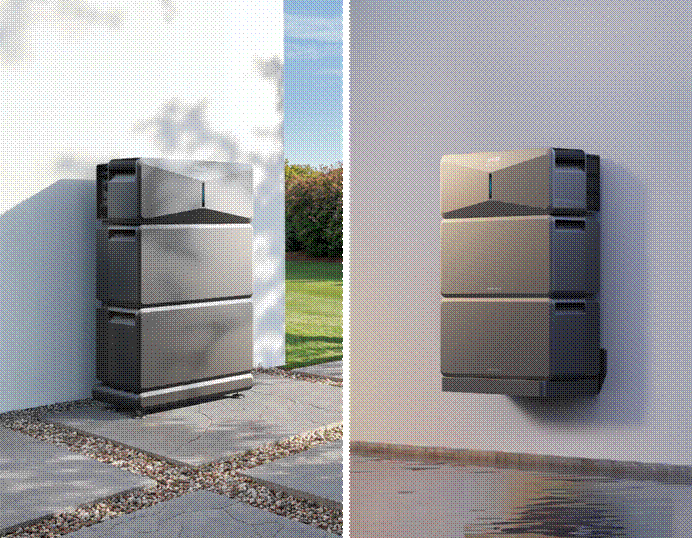
Many inverter generators now rely on lithium-based battery systems, particularly portable solar-hybrid models. These batteries require proper charge maintenance, temperature awareness, and periodic cycling to ensure longevity. A system such as the C2000 Gen 2, which uses efficient energy conversion and extremely low idle consumption, places minimal strain on the battery during light use.
Even so, owners should avoid extended storage at 0% or 100% charge, keep the battery within recommended temperature ranges, and cycle the power station occasionally during long periods without use. Because the unit can recharge in six different ways—including fast AC input and solar—battery maintenance becomes easier, but these habits still protect capacity over time. Battery health equates to runtime stability, and stable runtime is what distinguishes inverter generators from basic fuel-driven models.
Solar Integration Adds Panel Care and Angle Optimization
Solar-compatible inverter generators have a unique maintenance requirement: ensuring consistent solar harvesting. The PS400 solar panel paired with the C2000 Gen 2 uses monocrystalline cells and offers four adjustable tilt angles—30°, 40°, 50°, and 80°. To keep output predictable, owners should maintain clean panel surfaces, remove dust or debris, and adjust angles seasonally to maximize sunlight exposure.
Fortunately, the panel’s IP67 waterproof design protects it from rain and outdoor conditions, reducing upkeep. Still, snow accumulation, pollen buildup, or shading from nearby trees can restrict charging efficiency. Solar care becomes a form of maintenance that directly affects generator runtime and long-term usability. Unlike engine-driven generators that need oil changes, filters, and fuel stabilization, solar upkeep focuses on optical clarity and physical positioning.
Additional Maintenance Factors First-Time Users Often Overlook
Environmental Exposure Requires Smart Placement and Protection
Inverter generators rely heavily on internal sensors and regulated circuitry. Extreme temperatures or humidity can influence performance more noticeably than in traditional open-frame generators. Owners should store or operate the system in environments that avoid long-term exposure to sunlight, heavy dust, or freezing temperatures. With the C2000 Gen 2, outdoor use is supported thanks to durable construction, but environmental awareness remains beneficial.
For example, placing the generator on a stable, dry surface prevents moisture intrusion, and using the system’s handle design ensures safe movement without internal jolts. Environmental maintenance is about prevention rather than repair: the cleaner and more controlled the operating environment, the longer the inverter system performs consistently.
Load Management Plays a Maintenance Role by Reducing Electronic Stress
Inverter generators regulate power output dynamically, adjusting their internal conversion load as household or RV demand changes. Surges from high-draw appliances add stress to electronic components over time. Owners can mitigate this by spacing out high-load activities, avoiding unnecessary simultaneous usage, and understanding which appliances draw the most power.
The C2000 Gen 2 makes this easier by supporting high peaks—up to 4,000W—and powering RV systems through its TT-30 port. Even with robust capacity, load discipline reduces internal heat and electronic cycling, indirectly extending lifespan. Maintenance is not just cleaning and storing; user behavior becomes a practical maintenance action that protects delicate inverter circuitry.
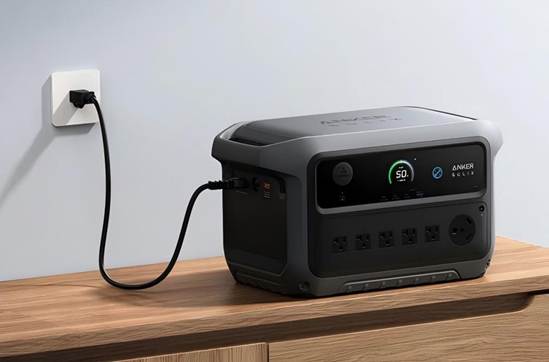
Firmware Updates and System Checks Keep Inverter Logic Performing Correctly
Unlike mechanical generators, inverter-based systems often include firmware-driven controls. Manufacturers occasionally release updates that improve efficiency, optimize charging behavior, or enhance component protection. Users who ignore these updates miss out on performance improvements that serve as “digital maintenance.”
With the C2000 Gen 2, maintaining system health may include checking the companion app or user guides for updates, reviewing charging behavior, or ensuring cable integrity with the included MC4 connectors. Updating firmware and inspecting charging cables prevent operational inconsistencies, making them essential parts of an inverter generator upkeep routine. These digital habits set inverter maintenance apart from traditional approaches focused solely on mechanical tuning.
Also Read: A Guide on How Do Solar Panels Work in Different Climates?
Conclusion
Inverter generators rely on advanced electronics, battery systems, and regulated conversion modules that change the nature of routine maintenance. Instead of oil changes, carburetor cleaning, or fuel stabilization, owners focus on airflow protection, battery care, solar optimization, environmental management, load discipline, and firmware upkeep.
Solar-hybrid systems such as the Anker SOLIX C2000 Gen 2 with a 400W solar panel reduce mechanical upkeep dramatically while adding new, simpler maintenance steps tied to energy harvesting. Understanding the unique needs of inverter generators allows homeowners and RV users to extend system life, protect output stability, and rely on clean, consistent power whenever outages or off-grid adventures require dependable performance.


About the Author