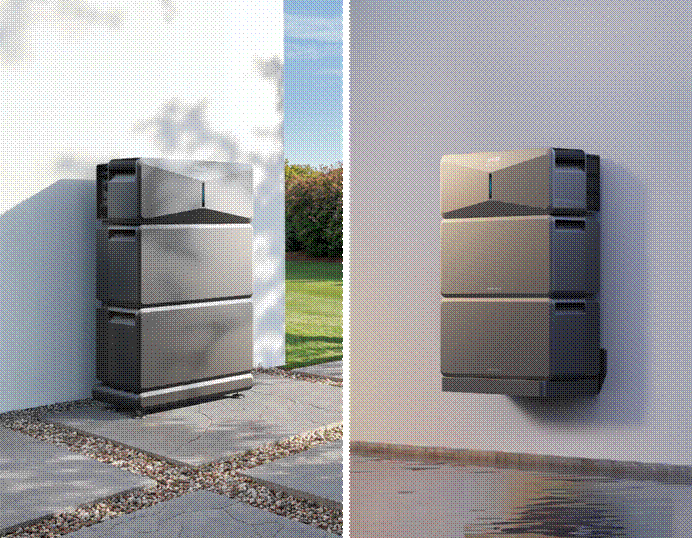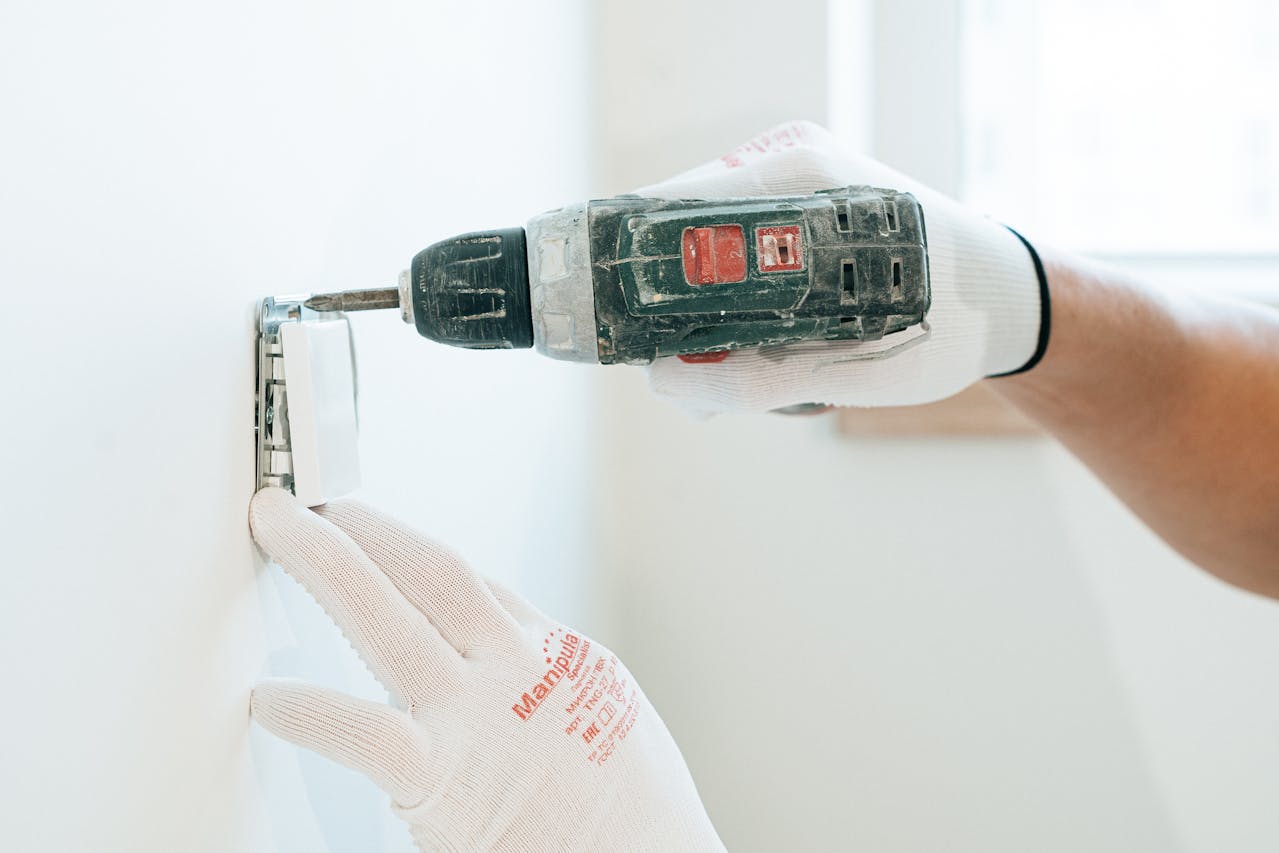
Home appliances have become so deeply woven into our everyday routines that we often don’t think about how much we rely on them—until something goes wrong. From refrigerators that keep our ingredients fresh to washing machines that handle the weekly laundry load, these devices play a huge role in keeping our homes running smoothly. But what many homeowners overlook is how much their performance depends on proper installation. The way an appliance is set up on day one can influence everything from energy efficiency to lifespan.
That’s where the value of professional, certified installation truly comes in. When a qualified technician handles the job, it’s not just about plugging something in; it’s about ensuring the appliance works the way it was designed to. As correctly laying a foundation determines a building’s stability, proper installation sets the stage for long-term reliability.
In this guide, let’s explore how expert installation impacts performance, why it matters for homeowners, and the kinds of scenarios where it can make a real difference.
A Strong Start: Why Proper Setup Matters More Than People Realize
Most people assume appliances are “ready to go” the moment they come out of the box. But modern appliances—whether they’re gas cooktops, high-efficiency washers, dishwashers, or smart refrigerators—are more complex than they seem. They have electrical, mechanical, and sometimes plumbing connections that must be set up with precision.
Think about a washing machine that isn’t level. At first, it might just make extra noise. Over time, however, the vibrations can damage internal components or stress nearby pipes. Or imagine an air-conditioning unit that’s wired incorrectly; it may still run, but not at full efficiency. That means higher electricity bills and more strain on the system.
Certified technicians understand the technical requirements behind each model and brand. They ensure clearances, wiring, ventilation, and safety features are correct. This professional attention allows appliances to perform as efficiently and safely as possible.
Even something as simple as a refrigerator’s placement matters. If the unit is too close to a wall or heat source, the compressor must work harder. A small mistake during installation can affect daily energy use, thereby increasing long-term costs.
Improved Efficiency and Lower Energy Use
Energy efficiency is a priority for many homeowners, especially amid rising power costs. The way an appliance is installed can influence how much energy it consumes throughout its lifespan.
For example, a dishwasher that isn’t connected to the proper water supply temperature may run longer cycles to compensate. An oven installed without adequate ventilation may experience uneven heating. Even dryers can waste energy if the exhaust duct isn’t positioned correctly.
Certified professionals follow manufacturer specifications, which are carefully designed to ensure ideal performance. They also use the correct tools and techniques, reducing the risk of the appliance struggling or underperforming.
Beyond household examples, the commercial world demonstrates the importance of proper installation. Industries that rely heavily on temperature control—such as food storage or pharmaceutical labs—can suffer significant losses if appliances aren’t properly calibrated. This underscores how installation directly affects performance and reliability across the board, from homes to businesses.
To help homeowners understand the broader importance of energy efficiency, concepts like thermal insulation offer a useful perspective. The goal is always to reduce wasted energy, and properly installed appliances are part of that effort.
Protecting Your Investment and Preventing Early Breakdowns
Buying an appliance is an investment. Most homeowners hope their dishwasher, stove, or fridge lasts long enough to justify the cost. But improper installation can shorten an appliance’s lifespan—and sometimes void the warranty.
Manufacturers know that performance closely depends on how the appliance is set up. That’s why many warranties require professional installation. If something goes wrong due to incorrect wiring, poor leveling, or improper venting, repair costs could fall on the homeowner rather than the manufacturer.
Consider these real-world examples:
- A gas stove installed without proper ventilation may emit excess heat, potentially straining nearby cabinetry or electronics.
- A heat pump with incorrectly placed sensors may cycle on and off too frequently, causing components to wear out faster.
- A dishwasher with poor drainage may accumulate water internally, leading to mold or leaks.
Certified installers are trained to prevent these issues before they occur. Their work isn’t just about functionality—it’s about long-term protection. By starting with a solid installation, you’re far less likely to need unexpected repairs or expensive replacements later.
Why Professional Expertise Makes a Noticeable Difference
Homeowners sometimes consider DIY installation to save time or money. But with today’s increasingly complex appliances, DIY errors can create ongoing performance problems that aren’t obvious at first.
Certified professionals bring:
1. Technical Knowledge
Different appliances require different electrical loads, plumbing connections, and ventilation requirements. A trained technician understands these variations and ensures everything is set up correctly.
2. Safety Awareness
Many appliances involve high-voltage wiring or gas connections. Even a small installation mistake can create safety risks. Professionals minimize these hazards and follow strict safety standards.
3. Proper Tools and Equipment
Some installations require specialized tools that aren’t found in the average household toolbox. Certified installers have access to the right equipment to ensure accuracy and safety.
4. Calibration and Testing
A big advantage of professional installation is the testing phase. Technicians confirm that the appliance runs efficiently, heats or cools properly, and responds to controls the way it should.
This level of attention to detail can significantly improve the appliance’s overall performance and reduce the likelihood of issues later.
Supporting Better Home Performance with Professional Installation
As homeowners upgrade appliances or build new spaces, many are realizing how important certified installation really is. It’s not just about convenience—it directly influences how well the appliance performs over time.
By ensuring proper leveling, wiring, venting, and calibration, professionals help appliances run smoothly, use less energy, and last longer. These benefits add up, making the investment in expert installation worthwhile for anyone who wants to protect their home and reduce ongoing costs.
This is also where certified appliance installation services become particularly valuable. These solutions give homeowners confidence that their appliances are installed correctly, safely, and in a way that supports long-term performance.
Also Read: Expert Tips for Hassle-Free Home Appliance Installation
Final Thoughts
Home appliances are essential tools that make modern living more comfortable and efficient. But their performance hinges on more than just quality or brand—it depends on how well they’re installed from the beginning.
Whether you’re replacing an old appliance, upgrading your kitchen, or outfitting a new home, choosing certified professionals can help ensure everything works as intended. You save energy, reduce repair costs, and enjoy peace of mind knowing your investment is protected.
When installation is done right, your appliances don’t just run—they thrive. And that makes all the difference.


About the Author