The bathroom is the workhorse of the home. It’s where we prepare for the day and decompress at night. Yet, for millions of homeowners, the aesthetic of this sanctuary is ruined by one necessary evil: the shower curtain.
It is a magnet for mildew. It cuts the visual space of the room in half. And, perhaps most annoyingly, it has a tendency to drift inward and cling to your legs mid-shower.
Enter the tub half glass shower door for bathtub solution.
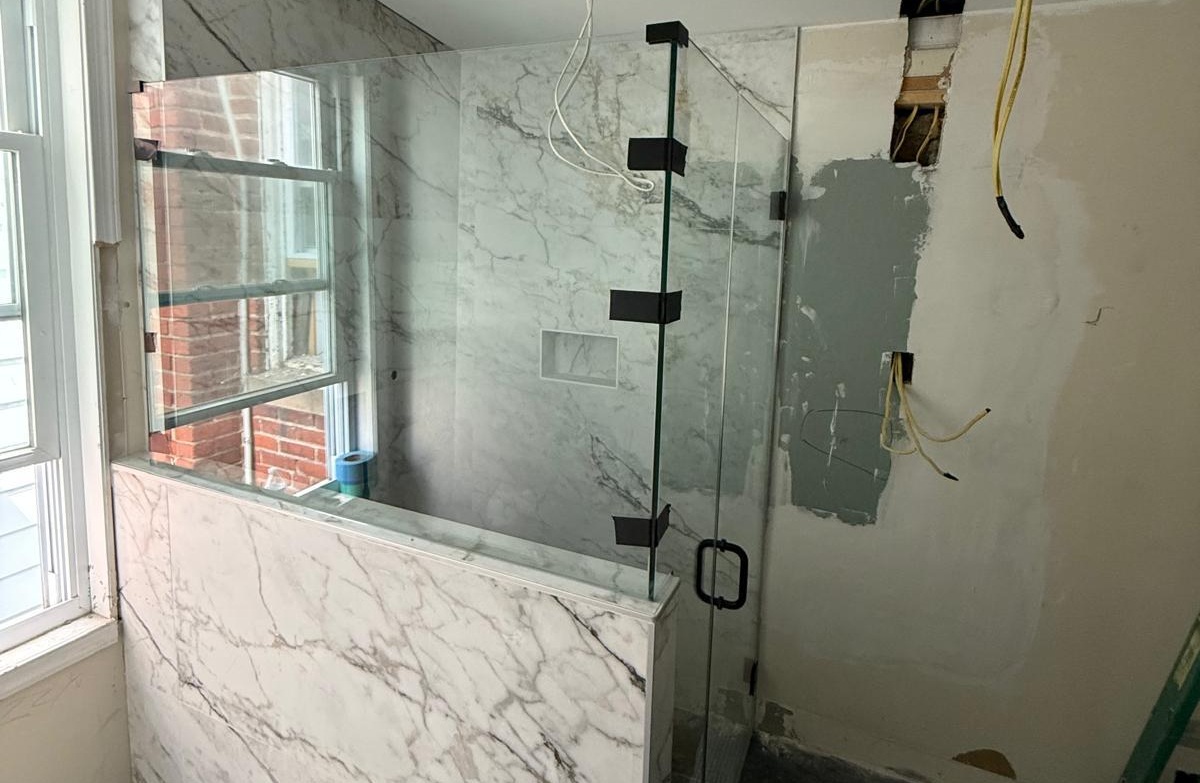
Also known as a “Euro-shield” or partial enclosure, this sleek pane of glass is sweeping through modern renovations. It promises the luxury of a hotel suite without the price tag of a full remodel. But does it work? Is it practical for a family?
Here is your definitive guide to the fixture, covering the half glass shower door for bathtub installation process through to a brutally honest review!
What Exactly Is a Half Glass Shower Door?
Before getting into the mechanics and the half glass shower door for bathtub pros and cons, let’s define the fixture.
Unlike a sliding door that encases the entire bathtub, a frameless half glass shower door for bathtub is typically a single panel of tempered safety glass. It covers only the “splash zone”— roughly 30 to 34 inches of the tub where the showerhead is located.
The design philosophy is European efficiency. The logic is simple: water falls down, not sideways. Therefore, you don’t need a wall at the back of the tub; you only need a shield where the water hits. These doors generally come in two styles:
- Fixed Panel: A stationary piece of glass sealed to the wall and tub. It does not move.
- Hinged half glass shower door for bathtub: A glass door that pivots outward or inward, allowing easier entry and access to the faucets.
Installation: A DIY Reality Check
One of the main selling points of the partial door is the installation. It is marketed as a “weekend warrior” project. But is it really that simple?
The Complexity vs. Sliding Doors
Compared to a full sliding track system, the half door is significantly easier.
- No Top Track: You don’t need to install a heavy metal bar across the top.
- No Bottom Rail: Most half doors are frameless or semi-frameless, meaning no metal track on the tub rim to collect gunk.
- Less Hardware: You are generally dealing with one U-channel or two heavy-duty hinges.
The Step-by-Step Breakdown
If you choose to DIY, here is the crisp workflow:
- The Measure and Level
It is really important to make sure that the edge of your bathtub is perfectly level. If you own an older cast-iron tub– which is known for being very heavy!– and it slopes down towards the drain, then using a fixed square glass panel could leave a gap at the bottom. - The Drilling Phase
Here’s the bit that gets the knees knocking. To secure those brackets or channels, you really need to drill straight through the tiles.- Tip: A diamond or carbide masonry bit is ideal for this job– it can cope with your tiling material.
- Tip: Stick some masking tape on the tile first– it stops the drill bit wandering and leaving scratches on the shiny ceramic surface.
- The Silicone Seal
Given the frameless design, silicone becomes vital in preventing leaks. You’ll want to use a continuous bead that’s generously applied; it has to be mold resistant! Put it between the metal channel and wall, as well as along the seam where the glass meets the bathtub. - The Sweep Installation
In the case of hinged doors, a plastic sweep or seal is usually installed on the bottom edge of the glass. This adaptable strip spans the gap between the tub and the glass, ensuring that water remains in the tub while still allowing for door movement.
Is it a Pro Job?
If you are comfortable with a drill, you can do this. However, tempered glass is heavy. One slip against a hard tile corner can shatter the panel. If you are nervous, hiring a handyman for two hours is worth the peace of mind.
The Pros: Why Homeowners Are Switching
Why are people tearing down their curtains? When weighing the half glass shower door for bathtub pros and cons, the benefits are largely aesthetic and hygienic.
1. Visual Space Expansion
This is the number one reason to buy.
- The Illusion: A curtain creates a wall. A glass panel is invisible.
- The Result: Your eye travels to the back wall of the shower. In small bathrooms, this makes the room feel double the size instantly.
- Showcase: If you spent money on a beautiful subway tile or marble, the glass lets you see it.
2. Superior Hygiene
Let’s be honest: shower curtains are gross.
- No Mold: Glass is non-porous. Mold cannot eat it.
- Easy Clean: A quick swipe with a squeegee removes water spots. No more laundering heavy liners or throwing away cheap plastic ones every six months.
3. “Bathability” and Access
If you have kids or pets, the half door is superior to a sliding door.
- No Track Pain: Sliding doors have a metal track on the tub rim that digs into your elbows when washing a toddler. The half door has a flat (or non-existent) threshold.
- Open Access: Because the back half of the tub is open, you can reach in to test the water temperature without fighting a curtain or sliding a door back and forth.
4. Modern Aesthetics
It simply looks expensive. It provides that “high-end hotel” vibe for a material cost of usually under 300-400, whether you buy from a specialty store or pick up a half glass shower door for bathtub at Home Depot.
The Cons: The Wet and Drafty Reality
It is not all perfect. The half glass door requires a change in lifestyle and showering habits.
1. The “Splash Zone” Risk
The tub is not fully enclosed.
- The Reality: If you stand at the back of the tub, water will splash out.
- The Mist: High-pressure showers can create a fine mist that escapes around the open edge.
- The Fix: You must learn to shower with the head pointed slightly inward. You will likely need a bath mat near the opening.
2. The Chill Factor
This is the most overlooked drawback.
- Heat Loss: A curtain or full enclosure traps steam, keeping you warm. A half door allows air to circulate.
- The Draft: As hot air rises, cold air from the bathroom is pulled in through the open section. If you live in a cold climate and have a drafty house, your showers will feel cooler.
3. Zero Privacy
- The Fishbowl: Clear glass offers no modesty. If you share a bathroom with a spouse or kids who barge in, you are fully exposed.
- The Solution: You can buy frosted or textured glass, but this negates the “visual space” benefit mentioned in the pros.
Review: The Verdict on the Half Glass Solution
After analyzing market options and living with the setup, here are the half glass shower door for bathtub reviews broken down by user type.
Who is this for?
- The Single Professional: 10/10. It looks great, you shower efficiently, and you can keep it clean.
- The Design Lover: 9/10. Nothing beats the look of frameless glass.
- The Young Family: 6/10. It makes bath time easier (no tracks), but expect water on the floor when the kids start splashing.
- The Cold Climate Resident: 4/10. Unless you have a heated bathroom floor, you might miss the warmth of a fully enclosed shower.
Product Considerations
When shopping, look for these features:
- Glass Thickness: Go for at least 5/16-inch (8mm) or 3/8-inch (10mm) glass. Thinner varieties can feel cheap— and they have a wobbly sensation.
- Treatment: Make sure your glass features an onboard treatment from the factory to repel water and prevent hard water marks from sticking. DreamLine’s ClearMax and Vigo’s Seal are good examples of this kind of protective coating.
- Hardware: Check that all metal fittings are solid brass rather than simply brass-plated steel or plastic.
Living with the Door
It requires a different approach from curtains! You can’t simply disregard it.
- The Squeegee Rule: One squeegee per shower is essential. Neglecting to wipe down the glass leads to hard water spots that build up and make it look cloudy after just a few weeks– but it’s easy to prevent this by using your squeegee!
- The Hinge Check: For those who have chosen swing doors, checking the screws every few months is really important– glass panels are heavy and if the fixings become loose (which they do) the door will sag. It then not only looks bad but also rubs against the edge of the bathtub.
Also Read: Frameless Shower Installation for Homes Seeking Shower Door Installation
Final Thoughts
The bathtub is really the tuxedo in bathroom fixtures: it looks super polished but isn’t quite as comfy as your old sweatpants (shower curtains).
It requires a certain mindfulness– you can’t simply jump in and flail around expecting the floor to remain dry. You have to approach bathing a little more deliberately.
But if you are tired of feeling shut in by curtains— close them and it’s as if they aren’t there— there is one improvement that can help your bathroom appear larger and more light.
It can transform an old-fashioned dark bathtub into something dull making it look bright and up to date!
The Bottom Line:
- Go for it if style, lightness, and staying clean are at the top of your list.
- Pass if what you need most is lots of warmth and absolutely zero water getting in!


About the Author