Routine cleanings protect each person in your home. They do more than keep teeth looking good. They stop small problems before they turn into pain, missed work, or lost school days. Every age needs this support. Children need cleanings to guide growing teeth. Teens face sugar, sports, and stress. Adults juggle time, pressure, and health issues that can harm gums. Older adults often take medicines that dry the mouth and raise the risk. Regular visits with a trusted family dentist Reno let you track all of this. You gain early warnings, simple fixes, and clear next steps. You also show your children that caring for teeth is normal, not scary. That habit can last for life. This blog explains why routine cleanings matter, what to expect at each visit, and how to keep every family member on track.
Why cleanings matter for your whole body
You might think a cleaning only helps your teeth. That belief puts your health at risk. Plaque holds germs that can move from your mouth into your blood. These germs link to heart disease, stroke, and diabetes problems. The gums often show signs of other health issues first. A hygienist and dentist can spot changes early.
The Centers for Disease Control and Prevention explains that nearly half of adults over 30 have some form of gum disease. You lower that risk every time you get a cleaning. You also give your dentist a clear view of new spots, sores, or lumps that might need fast care. Cleanings help your body, not only your smile.
How often each family member should get a cleaning
Most people need a cleaning every six months. Some need visits more often. Your dentist can guide you. Use this table as a simple starting point.
| Family member | Typical cleaning schedule | Common risks |
|---|---|---|
| Young children (1 to 5) | Every 6 months after first tooth | Baby bottle tooth decay. Thumb sucking. Early cavities. |
| Children (6 to 12) | Every 6 months | New molars. Poor brushing. Sticky snacks. |
| Teens | Every 6 months or more often with braces | Sugary drinks. Sports injuries. Tobacco or vaping. |
| Adults | Every 6 months. Every 3 to 4 months if gum disease | Stress grinding. Gum disease. Busy schedule. |
| Pregnant patients | At least once each trimester if possible | Hormone-related gum swelling. Morning sickness acid. |
| Older adults | Every 3 to 6 months | Dry mouth from medicine. Root cavities. Loose teeth. |
What happens during a routine cleaning
You should know what to expect. Clear steps reduce fear for you and your children. A routine cleaning usually includes three parts.
- Review. You share changes in your health, medicines, or pain. The team checks your blood pressure and reviews your chart.
- Cleaning. The hygienist removes plaque and tartar. You then get flossing and a polish that clears stains. You might get fluoride if you need it.
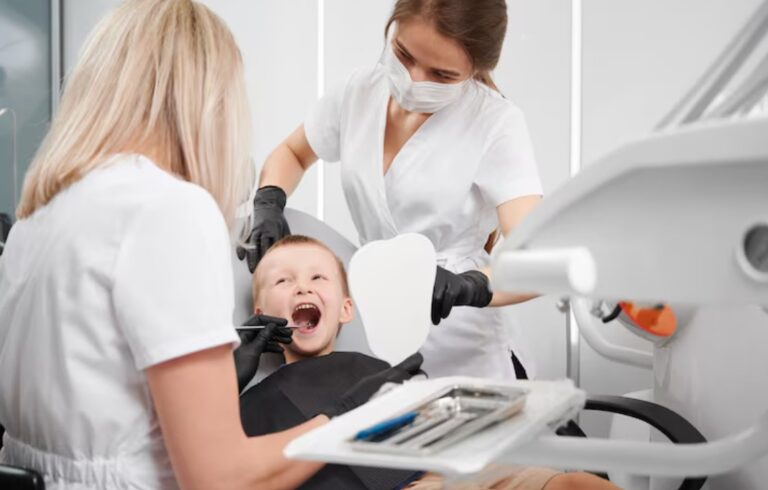
- Exam. The dentist checks your teeth, gums, and bite. You might get X-rays if they are due. You hear clear results and next steps.
The process is simple. Most visits last less than an hour. You leave with fresher breath, smoother teeth, and a plan.
Why children and teens need steady cleanings
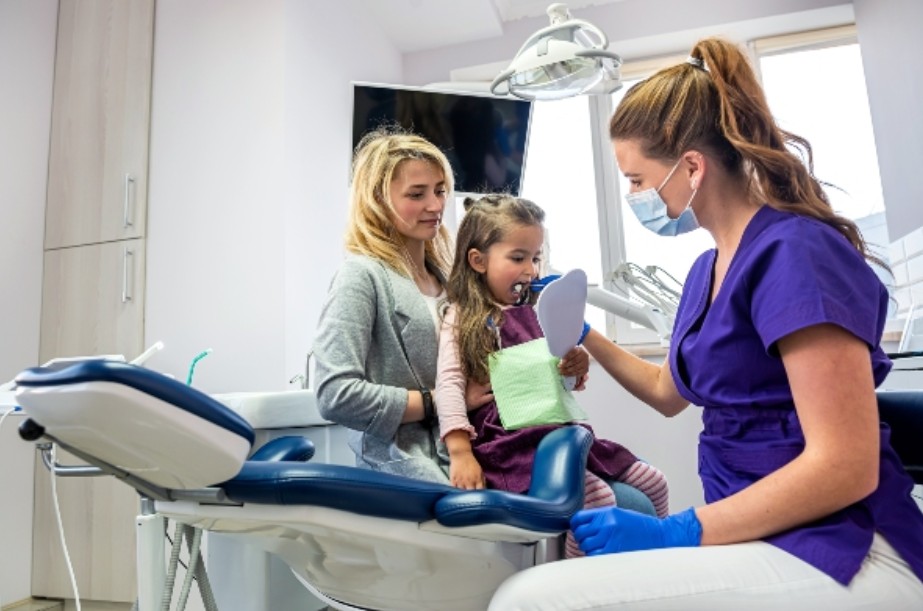
Children learn from what you repeat, not from what you say once. When you bring them for routine cleanings, you teach three strong habits.
- You show that health visits are normal.
- You show that questions are welcome.
- You show that care happens before pain, not after.
Cleanings help spot crowding, early cavities, and thumb or pacifier effects. For teens, cleanings help with braces, sports guards, and talking about tobacco and vaping. The dentist can say hard truths that teens might hear better from a neutral person.
The National Institute of Dental and Craniofacial Research offers clear facts about child oral health. You can use this to support talks at home.
Why adults and older adults cannot skip
Many adults skip cleanings when life gets heavy. That choice leads to painful and costly treatment later. Routine cleanings give you three strong benefits.
- They cut the risk of deep cleanings, root canals, and tooth loss.
- They help manage health issues like diabetes and heart disease.
- They protect speech, chewing, and self-respect.
Older adults face dry mouth, weak grip, and memory problems. All of these make brushing and flossing hard. Regular cleanings support daily care. The dental team can suggest simple tools like wide-handled brushes or floss holders. They can also watch for mouth sores and signs of oral cancer.
How routine cleanings save money and time
Preventive care looks like a cost. In truth, it is a shield. A six-month cleaning costs far less than a crown or implant. It also costs less time than emergency visits and repeated work. When you keep teeth strong, you avoid changes in speech and chewing that can lead to soft diets and weight loss.
Think about three paths.
- No cleanings. You risk sudden pain, loss of teeth, and higher bills.
- Rare cleanings. You catch some issues but miss early warning signs.
- Regular cleanings. You fix small problems before they explode.
You choose which path your family walks.
Helping nervous family members feel safe
Fear keeps many people away. You can lower that fear with a few steps.
- Talk before the visit. Use simple words. Avoid scary stories.
- Visit the office once just to say hello and see the room.
- Agree on a hand signal to pause during the cleaning.
You can also schedule shorter visits at first. You can bring a favorite toy or music for your child. You can ask the dentist to explain each step before it starts. Calm and clear talk builds trust with every visit.
How to keep your family on track
Routine cleanings work best when you pair them with strong home care. Use this rule of three.
- Brush two times a day for two minutes with fluoride toothpaste.
- Floss once a day.
- See your dentist at least twice a year.
Set reminders on your phone. Book the next visit before you leave the office. Use a simple chart for children and offer small rewards for steady brushing. You do not need big prizes. A shared game or extra story time can be enough.
Taking the next step for your family
You do not need a perfect record to start. You only need the next appointment. Call your dental office and schedule cleanings for each person in your home. Bring your questions. Ask for clear, plain answers. You deserve care that makes sense. Routine cleanings give you control, protect your family from pain, and keep small problems from turning into heavy burdens.


About the Author