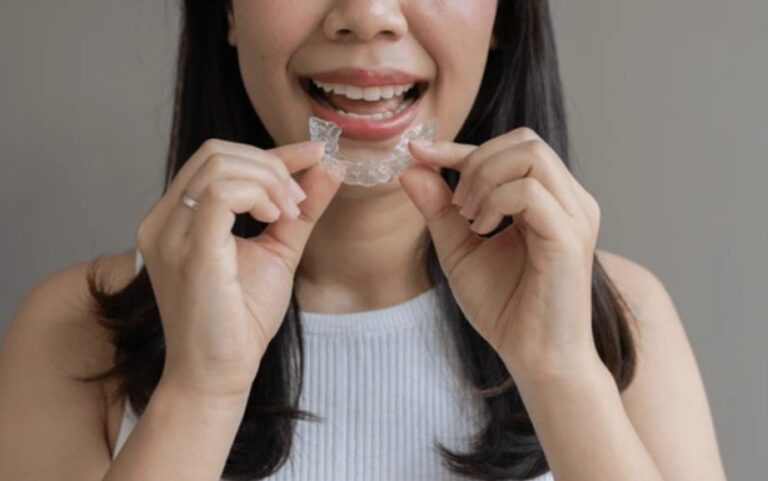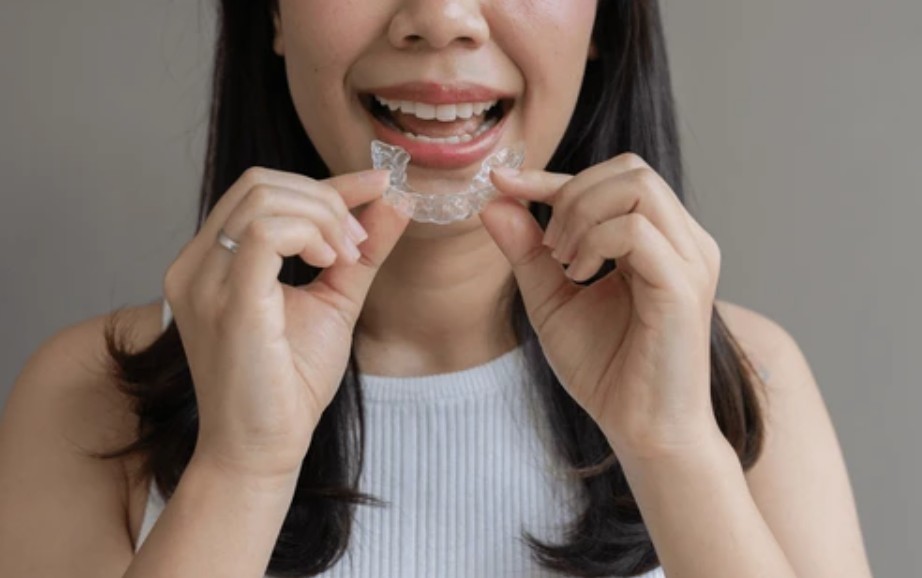
Many adults put off straightening their teeth because they fear braces. Metal brackets, food stuck in wires, and comments at work can feel crushing. Clear aligners give you another option. They are clear trays that fit over your teeth. You can take them out to eat and brush. Most people will not notice them in daily life. That privacy can feel like a deep relief. You keep your routine and still move toward a better smile. For many, that quiet progress feels safe. It also feels like control. You decide when to wear them, when to remove them, and how to plan treatment around your life. That is why more adults ask about clear aligners in Buckhead, Atlanta. They want change without drama. They want care that respects busy schedules, work meetings, and family duties. Clear aligners often meet those needs with steady, simple support.
Why adults avoid metal braces
Adult teeth move. That is normal. Crowding and gaps can grow over time. You may also face new health needs as you age. The Centers for Disease Control and Prevention notes that poor alignment can link to decay and gum disease. Even so, many adults still avoid metal braces.
Common reasons include:
- Fear of comments at work or social events
- Worry about food stuck in brackets
- Concern about pain from wires
- Stress about photos and first meetings
These worries can feel heavy. Clear aligners help remove many of them.
How clear aligners fit adult routines
You wear clear aligners most of the day. You remove them for meals and for brushing. That simple step protects your teeth from trapped food. It also protects your time. You can eat what you usually eat. You can clean your teeth the same way you do now.
Adults often choose clear aligners because they:
- Blend in during meetings and video calls
- Allow normal brushing and flossing
- Often need fewer office visits after the first stage
You keep your focus on family and work. Treatment fits around your life instead of the other way around.
Clear aligners vs traditional braces
You still need a dentist or orthodontist to see your teeth and bite. Treatment planning must be careful. Yet once a provider clears you, clear aligners and braces differ in many ways. This simple table shows common features.
| Feature | Clear Aligners | Metal Braces |
|---|---|---|
| Appearance at work | Hard to see in normal talk | Easy to see from a distance |
| Cleaning teeth | Remove trays. Brush and floss as usual. | Brush around brackets. Use threaders for floss. |
| Eating | Remove trays. Eat most foods. | Avoid very sticky and very hard foods. |
| Office visits | Often fewer after start of care | Regular wire checks and changes |
| Comfort | Smooth trays reduce cheek irritation | Brackets and wires can rub cheeks |
| Best for | Mild to some moderate tooth movement | Simple and complex tooth movement |
This shows why many adults feel clear aligners match their daily needs. They trade some strength of braces for more privacy and easier care.
Health and comfort benefits
Straighter teeth are not only about looks. The National Institute of Dental and Craniofacial Research explains that crowded teeth can trap food. That can raise the risk of decay and gum problems. Clear aligners lift some of that risk because you can clean more easily during treatment.
Other steady benefits include:
- Less rubbing on cheeks
- No broken wires poking gums
- Lower chance of stains around brackets
When your mouth feels calmer, you are more likely to finish treatment. That follow-through brings lasting change.
Who is a good match for clear aligners
Clear aligners are not right for everyone. Some bite and jaw needs still need braces or other tools. Yet many adults are strong matches if they:
- Have mild to moderate crowding or spacing
- Can wear trays for the full recommended hours each day
- Can keep track of trays at home, work, and trips
Your provider will check your teeth, gums, and jaw. You may need X-rays or photos. That planning guards your safety and guides each step of movement.
Daily life with clear aligners
Most adults adjust in a few days. You may notice a light lisp at first. You may feel pressure for a short time when you switch to a new set. These changes fade as your mouth adapts.
To protect your progress, you should:
- Wear trays for the full daily time your provider sets
- Rinse trays before placing them back in your mouth
- Brush your teeth after meals when possible
- Store trays in a case when not in your mouth
These habits become routine. They help you avoid lost trays and keep your teeth clean during treatment.
Making an informed choice
Clear aligners give adult patients quite control. You protect your privacy, protect your time, and still move your teeth. You also support your health and your self-respect. That mix explains why more adults ask about clear aligners each year.
You do not need to settle for shame or fear. You can ask questions, look at options, and choose what fits your life. A clear talk with a licensed provider can help you decide whether clear aligners, braces, or another path will serve you best.


About the Author