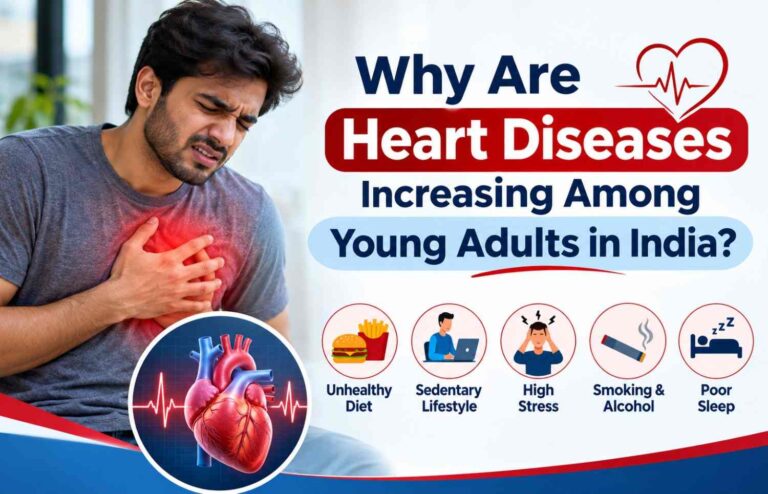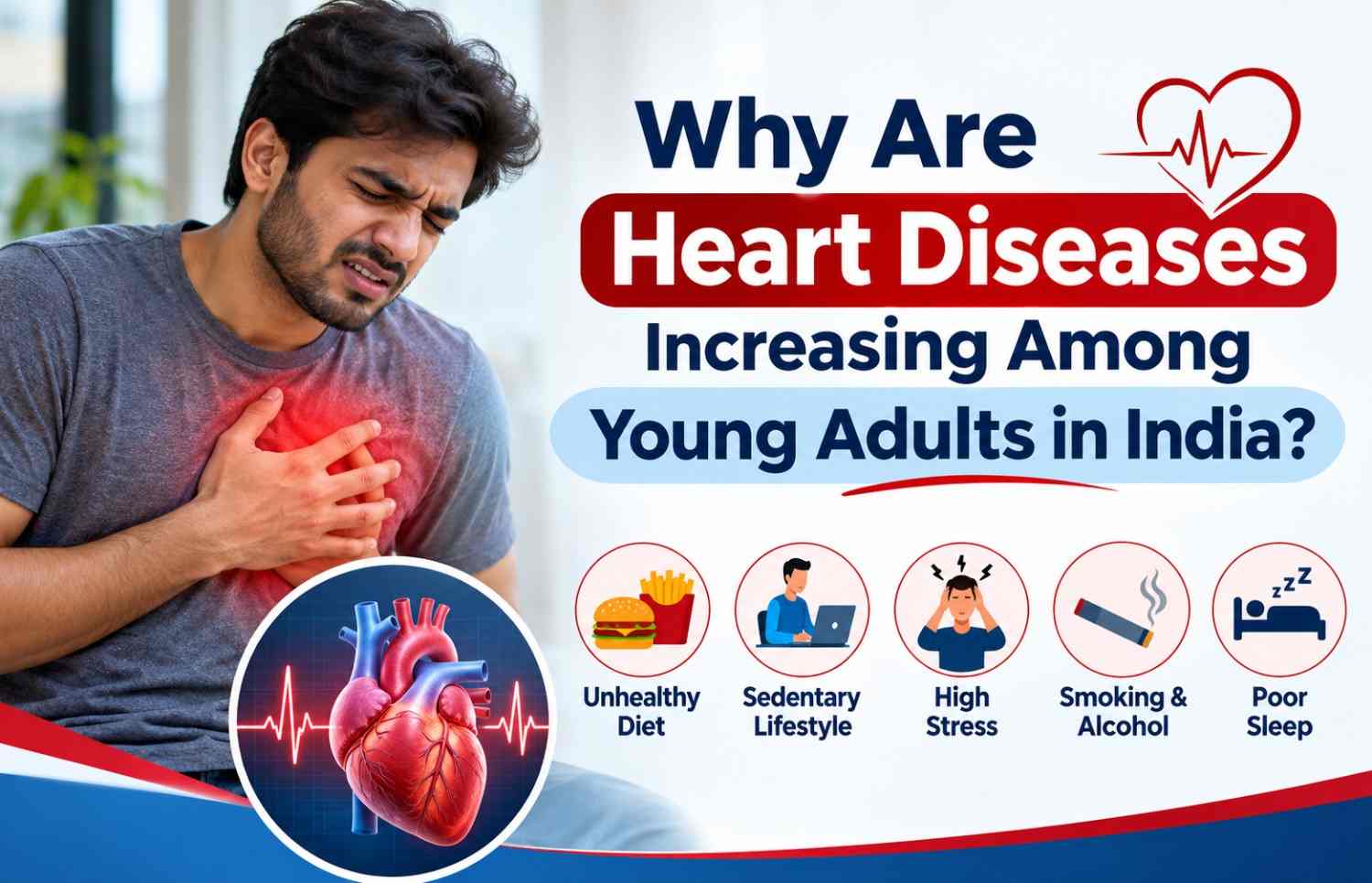
Heart disease is no longer a health concern limited to older adults. Today, an increasing number of young Indians in their 20s, 30s, and early 40s are experiencing heart-related problems. From high blood pressure and abnormal cholesterol levels to heart attacks and other cardiovascular conditions, the rising number of cases among younger people has become a serious public health concern.
Changing lifestyles, unhealthy eating habits, lack of physical activity, chronic stress, smoking, and diabetes are some of the major factors contributing to this growing problem. Unfortunately, many young adults ignore early warning signs because they believe heart disease is something that happens only after the age of 50.
However, heart health needs attention at every age. Understanding why heart diseases are increasing among young adults in India can help people make better lifestyle choices, identify risk factors early, and seek timely medical advice.
1. Unhealthy Eating Habits and Increased Junk Food Consumption
One of the biggest reasons behind the increasing risk of heart disease among young Indians is poor dietary habits.
Busy schedules, changing food preferences, and easy access to fast food have encouraged many young adults to consume processed and unhealthy meals regularly.
Common dietary habits that can affect heart health include:
- Eating burgers, pizzas, fried foods, and packaged snacks frequently.
- Consuming excessive amounts of salt and sugar.
- Drinking sugary beverages and energy drinks.
- Eating foods high in saturated and trans fats.
- Avoiding fruits, vegetables, and whole grains.
These eating patterns can contribute to obesity, high cholesterol, high blood pressure, and diabetes, increasing the risk of cardiovascular diseases.
What can you do? Choose home-cooked meals, include fresh fruits and vegetables, eat whole grains, and reduce processed food consumption.
2. Sedentary Lifestyle and Lack of Physical Activity
Modern working environments have significantly reduced daily physical activity. Many young professionals spend 8–10 hours sitting in front of computers, followed by additional screen time at home.
A sedentary lifestyle can gradually affect cardiovascular health. Lack of exercise may contribute to weight gain, poor blood circulation, insulin resistance, and unhealthy cholesterol levels.
Regular physical activity helps strengthen the heart, improve blood circulation, control blood pressure, and maintain a healthy body weight.
Simple ways to stay active:
- Walk for at least 30 minutes daily.
- Use stairs instead of elevators whenever possible.
- Take short breaks during long working hours.
- Include cycling, swimming, or jogging in your routine.
- Practice yoga and stretching exercises.
Even small changes in daily activities can make a meaningful difference to long-term heart health.
3. Increasing Stress and Mental Health Problems
Stress has become a regular part of modern life, especially among young adults dealing with professional responsibilities, financial pressure, career competition, and personal challenges.
Long-term stress can negatively affect cardiovascular health. It may increase blood pressure, disturb sleep patterns, and encourage unhealthy habits such as overeating, smoking, and excessive alcohol consumption.
During stressful situations, the body releases hormones such as adrenaline and cortisol. These hormones can temporarily increase heart rate and blood pressure.
When stress becomes chronic, it may contribute to several cardiovascular risk factors.
How to manage stress naturally:
- Practice meditation and deep breathing.
- Maintain a consistent sleeping schedule.
- Spend time with family and friends.
- Exercise regularly.
- Take breaks from work and digital devices.
If stress becomes difficult to manage, professional guidance can also be helpful.
4. Smoking, Alcohol Consumption, and Substance Abuse
Smoking and excessive alcohol consumption are significant risk factors for cardiovascular diseases.
Many young adults start smoking due to peer pressure, social influence, or workplace stress. However, tobacco contains harmful chemicals that damage blood vessels and increase the chances of developing heart-related problems.
Smoking can:
- Damage the inner lining of blood vessels.
- Increase blood pressure and heart rate.
- Reduce oxygen delivery to body tissues.
- Promote the formation of blood clots.
- Increase the risk of heart attacks.
Excessive alcohol consumption can also contribute to high blood pressure, irregular heart rhythms, and weakened heart muscles.
Recreational drugs and certain stimulants can cause dangerous increases in heart rate and blood pressure.
Quitting smoking, avoiding recreational drugs, and limiting alcohol are important steps towards protecting cardiovascular health.
5. Diabetes, High Blood Pressure, and High Cholesterol
Lifestyle-related health conditions are becoming increasingly common among younger Indians.
Diabetes, hypertension, and high cholesterol can develop gradually without noticeable symptoms. Many people discover these conditions only during routine health examinations or after experiencing a serious health problem.
These conditions affect the heart in different ways:
Diabetes: High blood sugar levels can damage blood vessels and increase the risk of coronary artery disease.
High blood pressure: Continuous pressure on artery walls can damage blood vessels and make the heart work harder.
High cholesterol: Excess LDL cholesterol can accumulate inside arteries, narrowing them and restricting blood flow.
Young adults should not assume they are healthy simply because they feel energetic. Regular health check-ups can help identify these risk factors before complications develop.
6. Obesity and Increasing Abdominal Fat
Obesity is another important contributor to the growing burden of heart disease among young adults in India.
Unhealthy diets, physical inactivity, irregular sleep, and excessive screen time can contribute to weight gain.
Excess body fat, particularly around the abdomen, is associated with insulin resistance, high blood pressure, abnormal cholesterol levels, and type 2 diabetes.
These conditions increase the risk of developing cardiovascular problems.
Maintaining a healthy weight through balanced nutrition and regular exercise can significantly improve overall heart health.
7. Poor Sleep and Irregular Daily Routines
Sleep is essential for maintaining a healthy cardiovascular system. Unfortunately, many young adults compromise their sleep because of demanding work schedules, late-night screen usage, social media, and irregular routines.
Consistently getting insufficient sleep may contribute to:
- Increased blood pressure.
- Higher stress hormone levels.
- Weight gain and metabolic problems.
- Poor blood sugar regulation.
- Increased cardiovascular risk.
Most adults should aim for around 7–9 hours of quality sleep every night.
Maintaining a regular bedtime, reducing screen exposure before sleeping, and avoiding excessive caffeine late in the day can improve sleep quality.
8. Family History and Genetic Risk Factors
Not every case of heart disease is caused by lifestyle choices. Genetics and family history also play an important role.
People with close relatives who experienced heart attacks, coronary artery disease, or other cardiovascular conditions at a relatively young age may have a higher risk.
Some inherited conditions, including familial hypercholesterolemia, can cause extremely high cholesterol levels even in otherwise healthy-looking young adults.
If you have a family history of early heart disease, discuss appropriate screening and preventive measures with a qualified cardiologist.
9. Why Young Adults Should Never Ignore Heart Attack Symptoms
One of the biggest challenges in preventing heart-related emergencies is that young people often ignore warning signs.
They may mistake heart-related discomfort for acidity, gas, muscle pain, or simple tiredness.
Some common warning signs include:
- Chest pain, pressure, tightness, or discomfort.
- Pain spreading to the arms, back, neck, jaw, or shoulders.
- Shortness of breath.
- Unusual sweating.
- Nausea or vomiting.
- Dizziness or lightheadedness.
- Sudden unexplained weakness.
Not everyone experiences the same symptoms. Some people, particularly those with diabetes, may have less typical warning signs.
Important: If you experience symptoms suggesting a heart attack, seek emergency medical assistance immediately. Do not wait for the pain to disappear or attempt to diagnose yourself.
10. How Can Young Adults Prevent Heart Diseases?
Although certain risk factors cannot be controlled, many lifestyle-related causes of heart disease are preventable.
Here are some practical steps that young adults can follow to protect their hearts:
- Eat a balanced diet: Include vegetables, fruits, whole grains, pulses, nuts, and healthy protein sources.
- Exercise regularly: Aim for at least 150 minutes of moderate-intensity physical activity every week.
- Avoid smoking: Stay away from tobacco in every form.
- Maintain a healthy weight: Monitor your weight and waist circumference.
- Manage stress: Practice yoga, meditation, and relaxation techniques.
- Sleep properly: Aim for 7–9 hours of quality sleep.
- Monitor health conditions: Check blood pressure, blood sugar, and cholesterol as recommended.
- Get regular check-ups: Consult a healthcare professional based on your age, family history, and individual risk factors.
Prevention is not about making drastic changes overnight. Consistent healthy habits can provide long-term benefits.
When Should You Consult a Heart Specialist in Gorakhpur?
If you are experiencing recurring chest discomfort, breathlessness, unusual fatigue, palpitations, or other symptoms related to cardiovascular health, consulting a qualified cardiologist is important.
People with diabetes, hypertension, high cholesterol, obesity, or a family history of early heart disease should also discuss preventive heart health assessments with a medical professional.
If you are looking for a heart specialist doctor in Gorakhpur, consider consulting an experienced cardiologist who can evaluate your symptoms, assess cardiovascular risk factors, and recommend appropriate investigations and treatment.
For individuals searching for a reliable heart specialist in Gorakhpur, Dr. Deepak Verma, Senior Consultant Interventional Cardiologist and Director at Cosmic Heart Institute & Superspeciality Hospital, Gorakhpur, provides cardiology consultation and heart-related care.
Depending on your symptoms and medical history, a cardiologist may recommend investigations such as:
- ECG (Electrocardiogram).
- 2D Echocardiography.
- Lipid Profile.
- Blood Sugar Testing.
- TMT (Treadmill Test), when appropriate.
- Other cardiac investigations based on clinical evaluation.
Early medical consultation can help identify potential problems and guide appropriate treatment.
Conclusion
The increasing number of heart disease cases among young adults in India is a warning that cardiovascular health should not be ignored at any age. Unhealthy eating habits, physical inactivity, stress, smoking, obesity, diabetes, and high blood pressure are among the major contributors to this growing concern.
The good news is that many cardiovascular risk factors can be managed through timely diagnosis and healthier lifestyle choices.
Young adults should take responsibility for their heart health by eating nutritious food, exercising regularly, managing stress, sleeping properly, and getting periodic health check-ups.
Remember, heart disease does not always announce itself with obvious symptoms. Taking preventive steps today can help protect your heart for years to come.
Frequently Asked Questions
Why are heart attacks increasing among young adults in India?
Heart attacks among young adults are associated with unhealthy diets, smoking, stress, obesity, diabetes, high cholesterol, high blood pressure, and physical inactivity. Genetic factors may also contribute.
Can a person below 40 years of age develop heart disease?
Yes. Heart disease can affect people below 40, particularly those with cardiovascular risk factors such as diabetes, smoking, hypertension, obesity, or a family history of early heart disease.
What are the early warning signs of heart disease in young adults?
Common warning signs include chest discomfort, breathlessness, unusual fatigue, palpitations, dizziness, and pain spreading to the arms, jaw, neck, or back.
How can young adults keep their hearts healthy?
Regular exercise, balanced nutrition, adequate sleep, avoiding tobacco, managing stress, and monitoring blood pressure, cholesterol, and blood sugar can help maintain heart health.
When should I visit a heart specialist in Gorakhpur?
Consult a cardiologist if you experience recurring chest discomfort, breathlessness, palpitations, or unexplained fatigue. Seek emergency care immediately if you suspect a heart attack.


About the Author