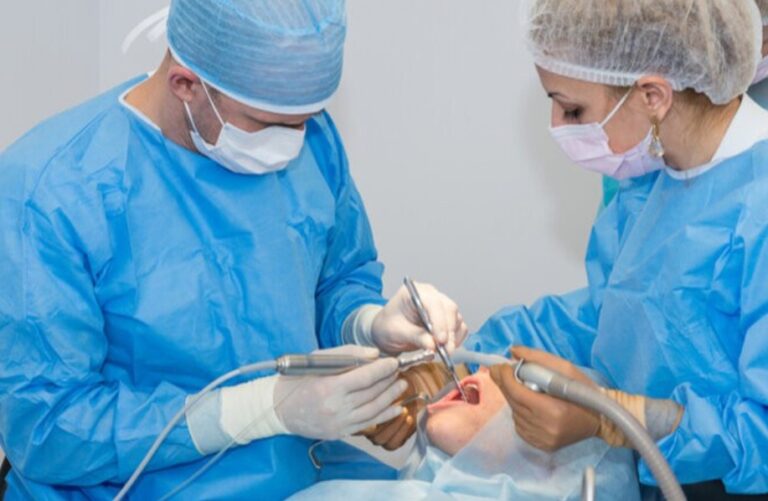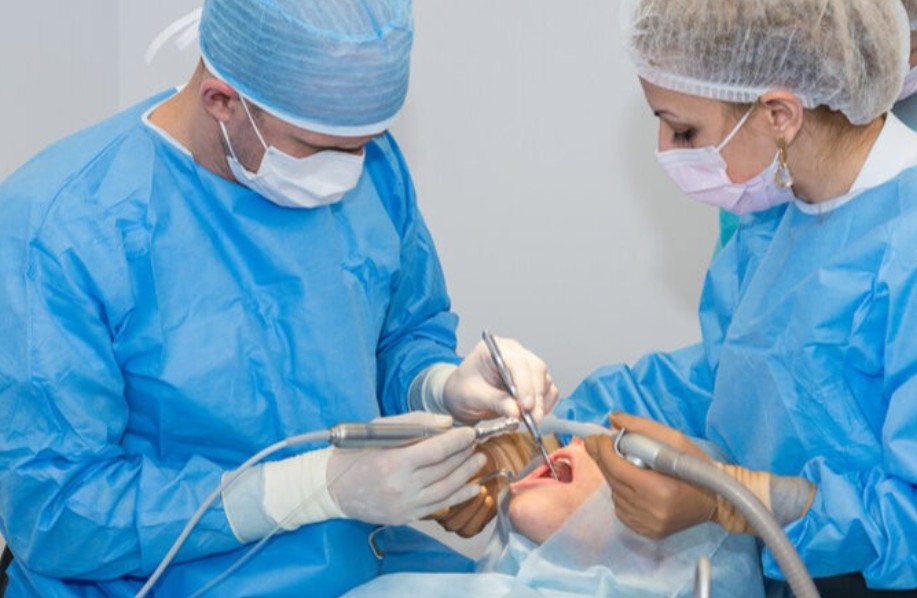
Complex tooth extractions can shake your sense of control. Pain, swelling, and fear of complications can leave you unsure of what to do next. An oral surgeon steps in when a simple pull is not safe. You may need one for broken teeth, curved roots, or teeth trapped in bone. You may also need one if you take blood thinners or have heart or lung disease. An oral surgeon plans your care, protects your nerves, and controls bleeding. The surgeon also chooses the right type of numbing and sedation. This helps lower your risk of infection and long-term pain. If you search for an Oral Surgeon for Bernards NJ, you are likely facing one of these hard situations. This blog explains how an oral surgeon thinks through each step and why that skill can protect your health.
When a Tooth Extraction Becomes Complex
A tooth removal becomes complex when a general dentist cannot remove the tooth safely in one short visit. You may face this when:
- The tooth is broken at the gum line
- The roots bend or twist
- The tooth is stuck in the bone or has not fully come in
- You have severe decay that reaches deep into the jaw
- You have a cyst or tumor near the tooth
- You have a strong gag reflex or severe anxiety
At that point, you need care from a specialist with extra training in surgery, anesthesia, and medical risk.
Training and Skills That Protect You
Oral surgeons complete dental school. Then they complete several more years of hospital-based surgery training. During that time, they learn to:
- Read and interpret dental and medical scans
- Work near nerves, sinuses, and blood vessels
- Manage bleeding and swelling
- Provide local anesthesia and deeper sedation
- Respond to breathing or heart problems during care
How an Oral Surgeon Plans Your Extraction
Before surgery, the oral surgeon reviews three things. Your tooth, your jaw, and your health history.
First, the surgeon studies x rays or 3D scans. This shows root length, bone thickness, and nerve position. It also shows sinus location and any hidden tooth fragments.
Second, the surgeon looks at your bite and gum health. This helps plan where to place cuts and how much bone to remove.
Third, the surgeon reviews your health. You should share:
- All medicines, including blood thinners and supplements
- Health problems such as heart disease, lung disease, diabetes, or bleeding problems
- Past reactions to anesthesia
- Pregnancy status
This full review shapes the plan and lowers the chance of surprise during surgery.
Simple vs Complex Extractions
| Feature | Simple Extraction | Complex Surgical Extraction |
|---|---|---|
| Who often performs it | General dentist | Oral surgeon |
| Tooth position | Visible above gum | Broken, trapped, or poorly positioned |
| Tools used | Elevators and forceps | Scalpel, drill, sutures, and other tools |
| Bone removal | Rare | Often needed to reach roots |
| Type of numbing | Local anesthesia | Local anesthesia and possible IV sedation |
| Length of visit | Short | Longer and more structured |
| Risk level | Lower | Higher, but managed with planning |
Protecting Nerves, Sinuses, and Bone
Complex extractions often take place near key structures. The surgeon works to protect three main ones.
- Nerves in the lower jaw. These carry feeling to your lip and chin. The surgeon uses scans to see where they run. The surgeon may section the tooth into pieces to keep the roots away from the nerve.
- Sinuses in the upper jaw. Upper molars sit close to the sinus. The surgeon removes bone in a careful way and may add a small barrier or graft if the sinus lining is thin.
- Jaw bone strength. For future implants or dentures, the surgeon shapes bone to keep as much strength as possible.
This careful work lowers the chance of numbness, sinus openings, and jaw fractures.
Pain Control and Sedation Choices
Pain and fear often weigh heavily on you. Oral surgeons can offer three kinds of support.
- Local anesthesia. You stay awake, but the tooth and the nearby gum feel numb.
- Oral or nitrous sedation. You stay awake but more relaxed.
- IV sedation or general anesthesia. You rest deeply. The surgeon and team watch your breathing, heart rate, and blood pressure.
Aftercare That Reduces Complications
Recovery begins the moment the tooth comes out. An oral surgeon gives clear steps, so you know what to expect.
- Control bleeding with firm pressure on gauze
- Use cold packs on the face in short periods to limit swelling
- Take pain medicine only as directed
- Avoid smoking and vaping, which slows healing
- Eat soft foods such as yogurt, eggs, and mashed potatoes at first
- Rinse gently with warm salt water after the first day if told to do so
The surgeon also explains warning signs. These include strong pain after a few days, bad taste that does not clear, large swelling, or fever. You should call at once if these appear.
Special Concerns for Children and Older Adults
Children and older adults face extra risks.
Children may be scared and may not sit still. Oral surgeons who treat children use child-sized tools and child-specific dosing of medicines. They also watch growth so that surgery does not harm future tooth or jaw development.
Older adults may have heart disease, diabetes, or high blood cholesterol. Oral surgery-specific primary care and heart doctors. They adjust medicine timing, plan shorter visits, and choose safer anesthesia methods.
When to Ask for a Referral to an Oral Surgeon
You should ask about a referral when:
- Your dentist mentions curved roots, impacted teeth, or cysts
- You take blood thinners or have complex medical history
- You had trouble numbing with past dental work
- You feel extreme fear about the procedure
With the right specialist, a complex extraction becomes a controlled, careful process. You gain a clear plan, strong safety steps, and support through recovery. That respect for your body and your fear is the true role of an oral surgeon in complex tooth extractions.


About the Author