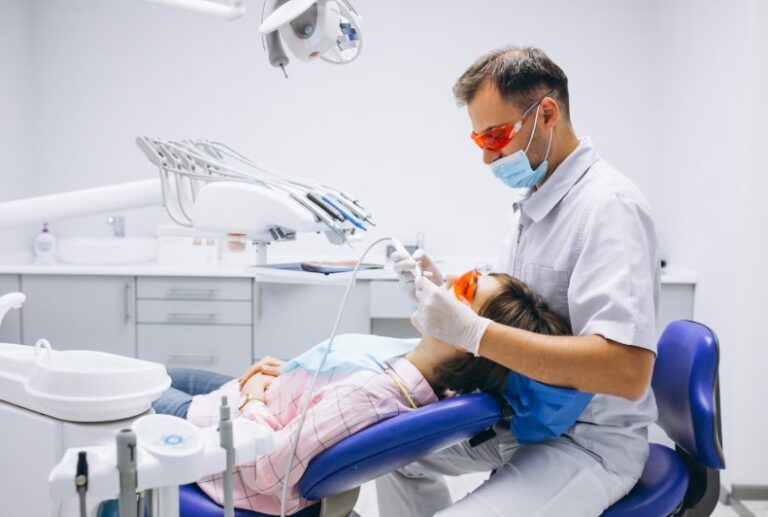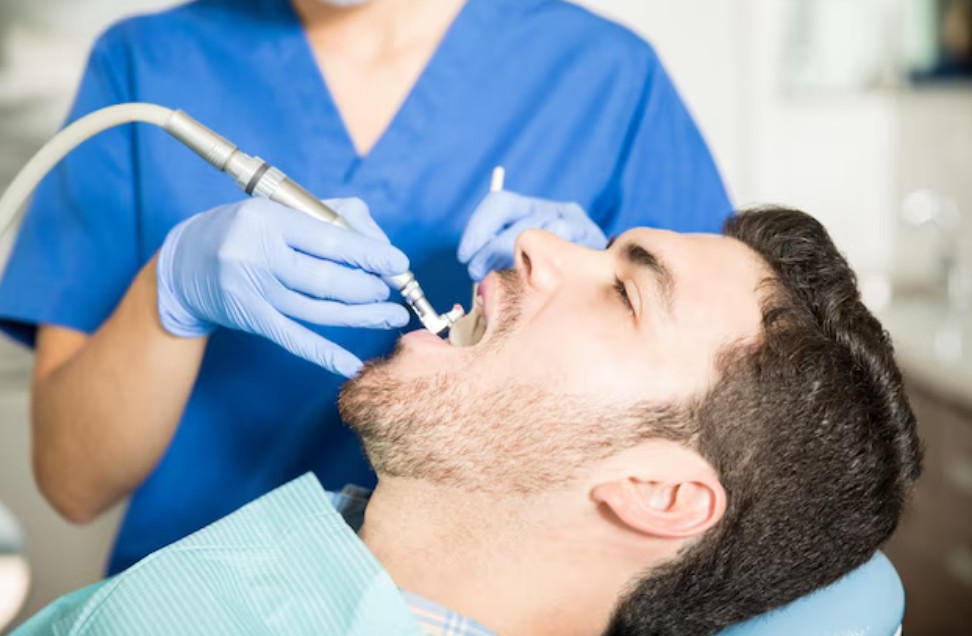
Dental pain hits fast and often at the worst time. A broken tooth during dinner. A child with a swollen face at night. A crown that comes loose before work. In those moments you need help that feels steady and close. That is where your Locust Grove, VA family dentist becomes your first line of support. You get one office that knows your history, your habits, and your fears. You also get clear guidance when you feel panic. This blog explains how family dentistry responds to urgent problems, from chipped teeth to infections. It shows how quick action can protect your health, save teeth, and cut future costs. It also helps you know when to call, what to expect, and how to prepare before a crisis hits. You deserve care that feels human, fast, and trusted when every minute feels heavy.
What Counts As A Dental Emergency
Some problems can wait. Others need care right away. You do not need to guess alone. A family dentist helps you sort it out and act fast.
You should call your dentist right away if you have any of these:
- Severe tooth pain that does not ease with over the counter pain medicine
- Knocked out tooth
- Cracked or broken tooth with pain or sharp edges
- Swelling in your face or gums
- Bleeding that does not slow down after 10 to 15 minutes of pressure
- Injury to your lips, tongue, or jaw that affects your bite
The American Dental Association explains that fast care after a tooth injury gives you the best chance to save the tooth.
How A Family Dentist Handles Emergencies For All Ages
A family office treats children, adults, and older adults in one place. That matters in a crisis. You do not waste time searching for a new office while you are in pain.
A family dentist can:
- See you for same day or next day emergency visits
- Review your records to spot patterns, allergies, and past work
- Use language and tools that match each age group
Here is a simple look at how care can differ by age.
| Age group | Common emergencies | Typical first steps by family dentist |
|---|---|---|
| Young children | Knocked out baby tooth. Chipped front tooth. Lip or tongue cuts. | Check breathing and bite. Calm the child. Clean the wound. Smooth sharp edges. Plan follow up to protect adult teeth. |
| Teens | Sports injuries. Broken teeth. Braces problems. Wisdom tooth pain. | Take x rays. Stabilize broken teeth. Adjust wires. Drain swelling if needed. Coordinate with orthodontist. |
| Adults | Broken fillings. Cracked teeth. Sudden toothache. Infection. | Test the tooth. Place a temporary filling or crown. Start treatment for infection. Plan root canal or extraction if needed. |
| Older adults | Denture breaks. Loose teeth. Gum infection. Dry mouth problems. | Repair or adjust dentures. Check bone support. Treat gum disease. Review medicines that affect the mouth. |
Steps Your Family Dentist Takes During An Emergency Visit
During an emergency, you need clear steps. Here is what usually happens when you call and come in.
- Phone triage. The team listens to your symptoms. They ask about pain, swelling, bleeding, and injury. They tell you if you must come in right away or if home care is safe for a short time.
- Quick check. At the office, the dentist checks your pain, your bite, and your mouth. They look for signs of infection like heat, redness, or swelling.
- X rays or photos. These show cracks, deep decay, and damage below the gums. This helps guide safe treatment.
- Pain control. The dentist may numb the tooth, drain an abscess, smooth sharp edges, or adjust a high filling that causes pain.
- Temporary fix. You might get a temporary filling, crown repair, or splint for a loose tooth. This protects the tooth until a full visit.
- Follow up plan. You leave with a clear plan, written steps, and warning signs that mean you should call again.
Home Steps Before You Reach The Dentist
Home steps do not replace care. They help you stay safe until you reach your dentist or an emergency room.
- Knocked out adult tooth. Pick it up by the crown, not the root. Rinse gently with clean water. Try to place it back in the socket and bite on clean cloth. If you cannot, keep it in milk. Then call your dentist at once.
- Severe toothache. Rinse with warm salt water. Use over the counter pain medicine as directed. Do not put aspirin on the tooth or gums.
- Cracked tooth. Rinse with warm water. Use a cold pack on your cheek to reduce swelling.
- Broken filling or crown. Keep the piece if you can. Use dental cement from a pharmacy if the tooth feels sharp and you cannot see your dentist right away.
The Centers for Disease Control and Prevention notes that infections in the mouth can affect your whole body.
Also Read: How Digital Support Enhances The Dentist–Patient Relationship
When To Go To The Emergency Room First
Sometimes the hospital is the safest first stop. You should call 911 or go to an emergency room if you have:
- Trouble breathing or swallowing
- Swelling that spreads to your eye, neck, or throat
- High fever with mouth pain
- Jaw injury with trouble moving your mouth
After hospital care, your family dentist helps with the next steps. That includes repair, follow up, and long term care.
How Family Dentistry Helps Prevent Future Emergencies
Many emergencies start small. Regular visits with your family dentist can stop problems before they reach a crisis.
During routine care, your dentist can:
- Spot early cracks and weak fillings
- Check gums for infection
- Review sports habits and suggest mouthguards
- Teach your family how to clean teeth and gums
Here is a simple comparison.
| Without regular family visits | With regular family visits |
|---|---|
| Small cavities grow until they cause sudden pain. | Cavities are found early. Treatment is shorter and less painful. |
| Cracks in teeth go unnoticed until the tooth breaks. | Cracks are tracked. Crowns or other care protect the tooth. |
| Gum infection spreads and causes loose teeth. | Gum changes are treated early. Teeth stay stable. |
Building An Emergency Plan With Your Family Dentist
You cannot control when an emergency hits. You can control how ready you feel.
Work with your family dentist to:
- Save the office phone number in every phone
- Ask about after hours contact steps
- Keep a small kit at home with gauze, a cold pack, and dental cement
- Review with your children what to do if they get hurt at school or sports
Clear plans reduce fear. When the unexpected happens, you will know who to call, where to go, and what to do until you reach your trusted family office.


About the Author