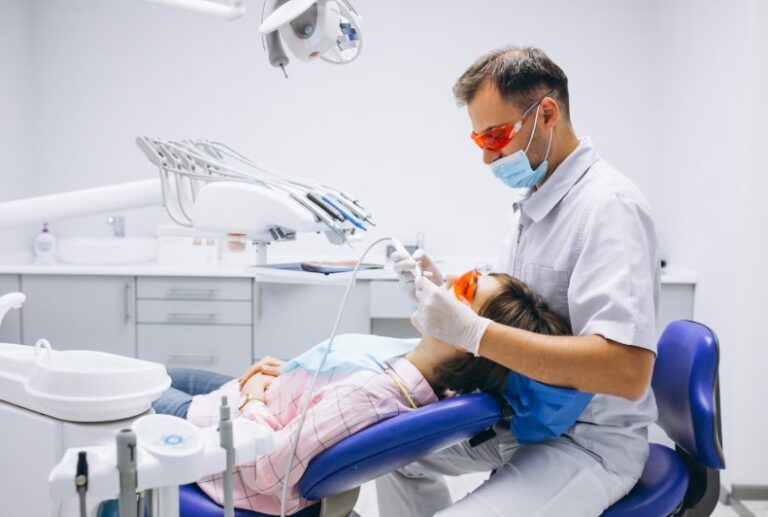
Your smile is more than a look. It affects how you eat, speak, and connect with people. When you think about smile design or full reconstruction, you might picture crowns, veneers, or implants. Yet the real work starts long before that. Preventive dentistry protects your gums, bones, and teeth so advanced treatment has a strong base. Without that, even the best cosmetic work can fail, fracture, or hurt. A Canton dentist checks for decay, gum disease, bite problems, and early wear. Then you get cleanings, fluoride, sealants, and simple repairs that stop damage before it spreads. This care also lowers pain, cost, and fear later. You gain control and clear choices instead of emergencies. Preventive steps support every stage of planning and building a new smile. They help your results last and keep your mouth steady after treatment.
Why Prevention Matters Before Any Smile Work
You cannot build a strong house on soft ground. In the same way, you cannot place crowns, veneers, or implants on weak teeth and infected gums. Preventive care gives your mouth a clean, steady base. It also gives your dentist clear information before any design work starts.
During a preventive visit, your dentist and hygienist:
- Check for cavities, cracks, and worn edges
- Measure your gums for swelling and bone loss
- Look at your bite and jaw movement
- Review medicines, health history, and habits
This step-by-step check shows what your mouth can safely support. It also shows what must heal first. You avoid rushed choices and guesswork.
Core Preventive Steps That Protect Future Work
Three basic habits protect your future smile design and reconstruction.
1. Daily Home Care
You protect your investment when you brush and clean between your teeth every day. The Centers for Disease Control and Prevention explains that fluoride toothpaste and regular brushing lower decay and tooth loss. That means fewer root canals, extractions, or replacements later.
- Brush twice a day with fluoride toothpaste
- Clean between teeth once a day with floss or another tool
- Use a mouth rinse if your dentist suggests it
2. Professional Cleanings And Exams
Routine cleanings remove plaque and tartar that you cannot reach. Exams catch small problems before they spread. This keeps your gums firm and your bone steady for any future crowns, bridges, or implants.
The National Institute of Dental and Craniofacial Research shows that early decay often has no pain. You may feel fine while damage grows. Regular exams stop this silent damage before it destroys a tooth you might need for your new smile.
3. Fluoride, Sealants, And Simple Repairs
Fluoride strengthens enamel. Sealants cover deep grooves on chewing surfaces. Small fillings repair early cavities. Each step keeps your natural teeth strong enough to hold future crowns or support a bridge.
- Fluoride reduces decay on smooth surfaces
- Sealants help protect back teeth in children and adults
- Small fillings prevent root canals and fractures
How Prevention Shapes Your Smile Design Plan
Preventive care does more than clean your teeth. It shapes your entire treatment map. When your dentist knows your decay risk, gum health, and bite pattern, your plan becomes clear and safe.
Preventive findings guide key design choices:
- Which teeth can hold crowns or bridges
- Where implants are possible based on bone levels
- How long temporary restorations should stay in place
- What extra care you need after treatment
This planning protects you from repeat work and repeat cost. It also protects you from broken teeth, infected gums, or failed implants.
Comparing Preventive Care And Crisis Care
Many people seek help only when something breaks or hurts. Yet emergency treatment often costs more and removes more tooth structure. Preventive care changes the story.
| Type of Care | When It Happens | Typical Examples | Impact On Future Smile Work |
|---|---|---|---|
| Preventive Care | Before pain starts | Cleanings, fluoride, sealants, small fillings | Protects tooth strength and gum health. Supports long lasting crowns, veneers, and implants. |
| Crisis Care | After pain or breakage | Root canals, extractions, large fillings | Removes more tooth and bone. Limits choices for smile design and may raise long term cost. |
Gum Health And Bone Support For Reconstruction
Healthy gums and bone are the hidden frame behind every strong smile. If your gums bleed, swell, or pull back, you risk tooth loss. If bone shrinks, implants may not hold.
Preventive gum care includes:
- Regular checks for pocket depth and bleeding
- Cleanings above and below the gum line
- Clear guidance on brushing and tools for your mouth
These steps slow or stop gum disease. They protect the bone that holds teeth and implants. They also reduce bad breath and soreness, which helps you use new restorations with comfort.
Protecting Your New Smile After Treatment
Smile design and reconstruction do not end when the last crown is placed. You must guard your new work from day one. Prevention remains your main tool.
After treatment, you may need:
- Custom mouth guards if you grind or clench
- Special brushes and floss aids for bridges and implants
- More frequent cleanings during the first year
These steps keep gums tight around new restorations. They also protect porcelain and bonding from chipping and staining. You avoid the shock of early failure after a large investment of time and money.
How To Start A Prevention First Plan
You can start today with three clear moves.
- Schedule a full exam and cleaning. Ask for a simple written plan that lists decay risk, gum status, and bite notes.
- Set home care goals. Choose brush times, floss tools, and a mouth rinse if needed. Keep them where you can see them.
- Plan follow up visits. Place your next cleaning and checkup on the calendar before you leave the office.
You do not need a perfect mouth to begin smile design. You only need a steady plan that puts prevention first. When you protect your teeth, gums, and bone before and after treatment, you give any smile design or reconstruction a stronger chance to last. You also gain something deeper. You gain trust in your own care and a sense of control every time you look in the mirror.


About the Author