When your child’s teeth start to come in, you face many choices. You want straight teeth, a healthy bite, and a smile your child can trust. You do not want confusion between different dental specialists. A pediatric dentist and an orthodontist solve different problems. Yet they must act as one team. A West Covina pediatric dentist often sees small warning signs long before braces are needed. An orthodontist then uses that early information to plan treatment at the right time. Together they can shorten treatment, prevent pain, and cut down on future dental work. You get clearer answers. Your child gets steady care from baby teeth through the teen years. This blog explains how these two specialists share records, spot risks early, and adjust plans as your child grows. You will see what to expect and how to ask for this kind of teamwork.
What Each Specialist Does For Your Child
You see two titles. You should know what each one means.
| Role | Main Focus | Typical Visits |
|---|---|---|
| Pediatric dentist | Teeth, gums, and mouth health from infancy through teen years | Checkups, cleanings, cavity care, fluoride, sealants, injury care |
| Orthodontist | Jaw growth, bite, and tooth position | Braces, clear aligners, space maintainers, growth-guiding devices |
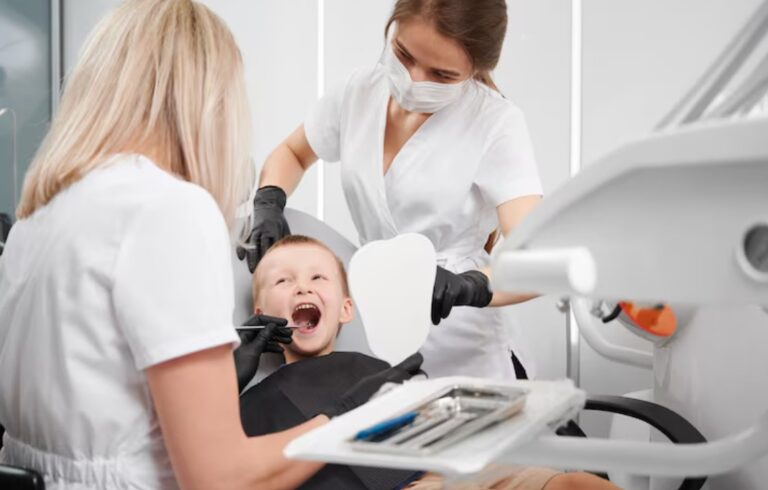
First, a pediatric dentist protects mouth health. You bring your child for regular checkups. The dentist checks for cavities, gum problems, and habits like thumb sucking or mouth breathing. The dentist also checks how the jaws and teeth grow over time.
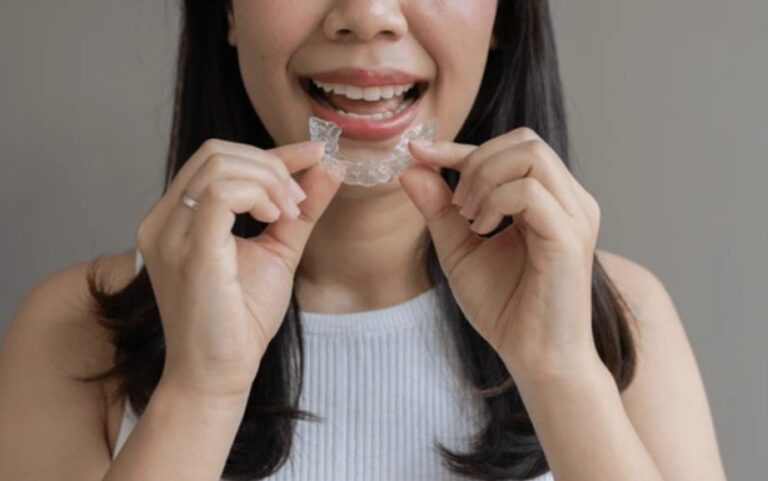
Second, an orthodontist corrects tooth and jaw position. The orthodontist uses braces or other tools to guide growth. The goal is a bite that works well and is easier to clean.
Third, your child benefits most when both talk to each other. You do not need to carry messages. The team shares them for you.
Why Early Teamwork Matters
Early teamwork can change your child’s future mouth health. You can see data on tooth decay and early visits from the Centers for Disease Control and Prevention. Early visits lower the chance of severe tooth decay. They also give more chances to spot bite problems.
A pediatric dentist often sees the first signs of crowding or jaw mismatch. The dentist may notice that baby teeth fall out too soon or too late. The dentist may see that the upper teeth bite inside the lower teeth. These signs can show up years before braces.
When the pediatric dentist and orthodontist work together, they can:
- Time treatment so it fits your child’s growth
- Prevent the loss of space when a baby tooth is removed
- Protect adult teeth that have weak enamel or large fillings
You do not wait until your child feels pain or shame. You act when changes are easier and shorter.
How They Share Records And Plan Care
Teamwork is not a slogan. It is a series of clear steps.
First, the pediatric dentist gathers records. These may include:
- X rays that show tooth buds and jaw bone
- Photos of your child’s face and smile
- Notes on habits like thumb sucking or grinding
- History of cavities, injuries, or early tooth loss
Second, with your permission, the dentist sends these records to the orthodontist. This can happen before your first orthodontic visit. The orthodontist reviews them and looks for patterns. For example, repeated cavities between certain teeth can affect how braces are placed.
Third, both specialists may talk directly. They may discuss:
- Whether to fix certain teeth before braces
- How to protect weak teeth during treatment
- The best time to start so school and sports are less affected
This shared planning means fewer surprises and fewer rushed choices.
Sample Timeline From Baby Teeth To Braces
Every child is unique. Yet many follow a similar path. The American Association of Orthodontists suggests a first orthodontic check by age 7. You can see this guidance through many dental school sites, such as the policy statements hosted by the American Academy of Pediatric Dentistry.
| Age range | Pediatric dentist role | Orthodontist role |
|---|---|---|
| 1 to 3 years | First visits, cavity checks, guidance on feeding and brushing | Usually no visits unless clear jaw concerns |
| 4 to 6 years | Monitor spacing, habits, early loss of baby teeth | Possible early consult if crowding or crossbite appears |
| 7 to 10 years | Check mixed baby and adult teeth, share records | First full check, possible simple devices to guide growth |
| 11 to 15 years | Support cleaning around braces, treat cavities fast | Main braces or aligner treatment, bite correction |
| 16 to 18 years | Wisdom tooth checks, long term care plan | Final bite checks, retainers to hold results |
How Teamwork Protects Your Child’s Health
This shared care is not only about a straight smile. It also protects whole body health. Poor mouth health links with pain, missed school, and sleep problems. A tight bite can cause headaches or chewing trouble. Crooked teeth are harder to clean and can trap food.
When a pediatric dentist and orthodontist work together, they can:
- Keep teeth easier to brush during treatment
- Lower the chance of white spots on teeth after braces
- Reduce the need to pull permanent teeth
- Support clear speech and proper chewing
You help your child feel less fear and shame about mouth care. You show that health care workers talk to each other and listen to your child.
Questions To Ask Your Child’s Dental Team
You can push for strong teamwork. You do not need to guess. You can ask direct questions.
- Do you share my child’s records directly with the other specialist
- How often do you talk about shared patients
- What problems are you watching for as my child grows
- Can you explain the plan for the next one to three years in simple steps
- How can we protect my child’s teeth during braces
If the answers are clear and calm, you can trust the process. If the answers feel vague, you can request more detail or seek a second opinion.
How You Can Support The Team
You are not a bystander. You are part of the care team.
- Keep regular checkups with the pediatric dentist
- Follow brushing and flossing advice during braces
- Tell both offices about injuries, new medicines, or health changes
- Bring your child to visits on time so growth checks stay accurate
Your steady actions help both specialists do stronger work. Your child learns that small daily steps protect their mouth for life.
When you choose care where a pediatric dentist and orthodontist act as one team, you give your child more than straight teeth. You give relief, comfort, and a working smile that supports school, sports, and daily life.


About the Author