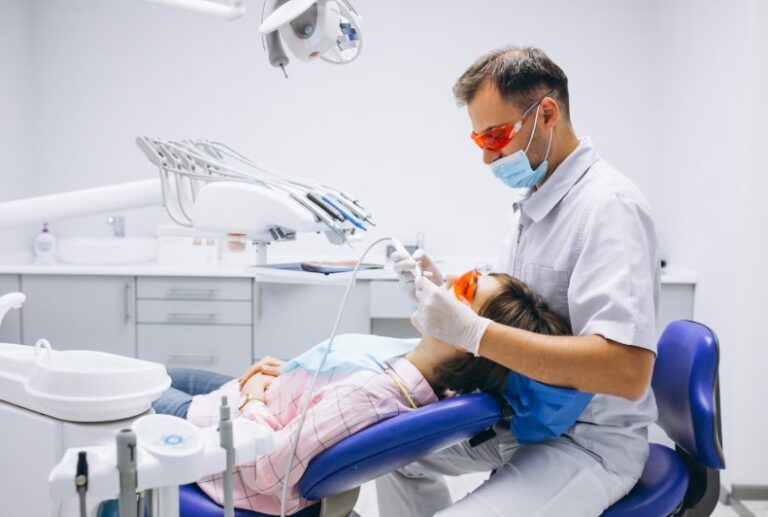
Digital tools now touch almost every part of your life. They also change how you connect with your dentist. When you message, schedule, or review treatment plans online, you gain more control and less confusion. A North San Antonio dentist who uses secure texts, patient portals, and clear online education gives you more than convenience. You get faster answers, fewer surprises, and stronger trust. You can ask questions when fear hits at night. You can see images and notes that explain what will happen in the chair. You can track costs before you agree to treatment. These tools do not replace face to face care. Instead, they support honest talks, steady follow up, and shared decisions. This blog explains how digital support can ease stress, prevent missed care, and help you feel seen and heard every step of the way.
Why digital support matters for your mouth and mind
Dental visits often stir up fear, shame, or confusion. You may worry about pain. You may feel judged about past habits. You may not remember what the dentist said once you leave the office. Digital support closes that gap.
You get three clear gains.
- You understand your care plan.
- You stay on track between visits.
- You feel safe asking hard questions.
The National Institute of Dental and Craniofacial Research explains that clear information and steady care help prevent many mouth problems before they turn severe.
Secure messaging and portals build trust
Secure messages and online portals help you stay in touch without phone tag. You get a direct line to the office for simple needs.
You can use secure messaging to:
- Ask about pain after a filling.
- Clarify if a child needs to come in for a chipped tooth.
- Send a photo when you see a new spot on your gums.
Portals often let you:
- See visit notes.
- Review x rays and photos.
- Check your next visit time.
- View balances and receipts.
This steady access lowers fear. You no longer carry questions alone. You know someone will respond. That sense of support can change how you feel about every visit.
Online scheduling and reminders prevent missed care
Many people skip visits because life gets in the way. Work, school, and family needs crowd your calendar. Digital tools help you guard your mouth health even when life feels full.
Online scheduling lets you pick times that match your day. You can change visits without waiting on hold. Text or email reminders nudge you before you forget.
The Centers for Disease Control and Prevention points out that regular dental visits help catch small problems early. That can stop pain and high costs later.
Table: How digital support changes your dental experience
| Part of your visit | Without digital support | With digital support |
|---|---|---|
| Booking visits | Call during office hours. Wait on hold. Limited choice of times. | Schedule online any time. See open slots. Pick what fits your day. |
| Visit reminders | Paper card in your wallet. Easy to lose or forget. | Text or email reminders. Simple confirm or reschedule links. |
| Understanding treatment | Verbal talk in the chair. Hard to remember details later. | Portal notes and images. Clear written steps you can review at home. |
| Questions after care | Call back. Leave a message. Wait for a return call. | Secure message with photos. Faster, clear answers from the team. |
| Costs and payment | Paper bills. Confusing codes. Unclear totals. | Online statements. Itemized costs. Payment plans shown in one place. |
Clear digital education makes choices easier
Dental words can feel like a new language. You hear terms that sound cold or harsh. You may nod though you do not understand. Digital education tools give you time and space to learn at your pace.
Strong digital support might include:
- Short videos that show what a crown or filling looks like.
- Simple charts that compare treatment options.
- Plain language FAQs for common fears.
When you see your own x rays next to these tools, you can connect the dots. You see where decay sits. You see what the dentist plans to do. That picture can turn fear into action.
Support for families and caregivers
Digital tools help parents, older adults, and caregivers stay organized. You can keep track of care for more than one person without stacks of paper.
For families, you can:
- Book back to back visits for children.
- Get growth and cavity reports through the portal.
- Share brushing and flossing tips by email or text with your child.
For older adults or people with health limits, you can:
- Set reminders for medicine that affects dental work.
- Share visit notes with doctors if needed.
- Plan rides and support around clear visit times.
This kind of support respects the strain many families carry. It gives you one steady place to see what is next and what is past.
Privacy, security, and your comfort
You might worry about your information online. That concern is fair. Dental offices must follow strict federal rules to protect your health data. Secure portals and messages use strong encryption. That shields your records from most outside threats.
You still play a part.
- Use strong passwords that you do not reuse.
- Log out of portals on shared devices.
- Avoid sending health details through normal email or text if the office offers a secure option.
When you see that your questions and records stay private, you may feel safer sharing honest details. That honesty helps your dentist guide care that fits your life, your fears, and your goals.
Using digital tools to speak up
Digital support only works when you use it. You have the right to ask for help that matches your needs.
You can:
- Ask the office to turn on portal access for you.
- Request written summaries of each visit.
- Tell the team if you prefer texts, calls, or emails.
You can also speak up when something feels unclear. You might send a message that says, “I did not understand the last plan. Can you explain it in simpler terms or with a photo.” That simple step can prevent regret later.
Stronger relationships through steady support
Digital tools do not replace human care. They extend it. They fill the long gaps between cleanings and treatments with small points of contact. Over time, those points grow into trust.
You feel heard. You feel informed. You feel ready before you even sit in the chair. That kind of relationship does not just protect your teeth. It protects your sense of dignity every time you open your mouth to smile or speak.


About the Author