Preventive dental care protects your family from pain, fear, and high bills. You do not wait for a tooth to break or an infection to spread. Instead, you use checkups, cleanings, and simple habits to stop problems early. This gives your children a calm start with the dentist. It also helps you avoid emergencies that pull you out of work or school. A Wilmette dentist can spot small changes in your teeth and gums before you feel them. Then you can fix issues with simple treatments instead of stressful visits. Regular care also supports health beyond your mouth. Poor oral health links to heart strain, diabetes trouble, and pregnancy risks. When you choose preventive care as a family, you share routines, save money, and build trust. This blog explains five clear benefits that help you protect the people who depend on you.
1. You avoid painful problems before they start
Tooth decay and gum disease grow in silence. You often feel nothing until the harm is deep. Preventive care cuts in early. You use cleanings, exams, and X rays to find trouble while it is still small.
According to the Centers for Disease Control and Prevention, tooth decay is one of the most common chronic problems in children. Yet it is easy to prevent. Fluoride, sealants, and daily brushing block decay. Regular visits help your dentist spot weak spots before they turn into holes.
With steady preventive care you:
- Catch cavities when they are tiny
- Clean away plaque and tartar that you cannot remove at home
- Stop gum swelling before it turns into infection
This means less sharp pain. Less swelling. Fewer late night trips for sudden toothaches. Your family can sleep and work without oral pain draining energy.
2. You protect your children’s growth and confidence
Childhood is when oral habits lock in. Preventive care gives your children structure. You teach them to brush two times a day. You bring them for routine visits. You show them that the dental office is a safe place.
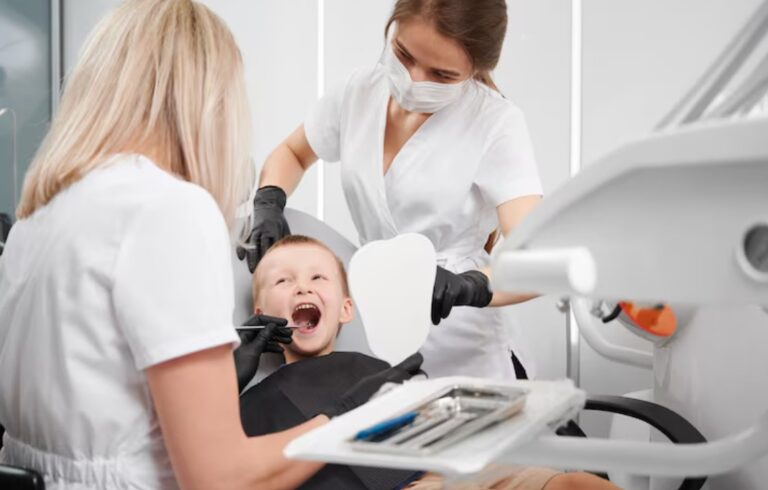
The American Academy of Pediatric Dentistry recommends that children see a dentist by age one. Early visits help guide jaw growth, tooth spacing, and speech. They also lower fear. A child who knows the dentist from calm visits is less likely to panic when a real problem shows up.
With preventive care you help your children:
- Keep baby teeth strong until they fall out on time
- Chew and speak without pain or shame
- Smile in photos and at school without hiding
These wins matter in school, sports, and social life. A healthy smile supports clear speech and steady focus. It also reduces bullying over stained or broken teeth. Your choice to stay ahead of problems shields your children from quiet hurt.
3. You save money and time over the years
Emergency care is expensive. So are root canals, crowns, and extractions. Preventive visits cost less than major repair work. They also take less time away from your job or your children’s classes.
Here is a simple comparison of typical costs. These are example ranges and not a quote. Costs vary by clinic and insurance.
| Type of visit or treatment | Purpose | Typical cost range per visit in the U.S. | Time in chair |
|---|---|---|---|
| Routine exam and cleaning | Prevent problems | $75 to $200 | 30 to 60 minutes |
| Fluoride treatment or sealant | Shield teeth from decay | $30 to $60 per tooth | 10 to 20 minutes |
| Filling for a cavity | Repair early decay | $150 to $400 per tooth | 30 to 60 minutes |
| Root canal and crown | Save a damaged tooth | $1,000 to $2,500 per tooth | 1 to 2 hours, often 2 visits |
| Emergency visit for toothache | Relieve sudden pain | $200 to $500, plus treatment | Varies, often longer waits |
When you add up costs for a whole family, the gap grows. Routine visits and preventive treatments cost less than one major emergency for each person. You also avoid unpaid time off, last minute child care, and long waits in urgent clinics.
4. You support your whole body health
Your mouth is part of your body. Infection in your gums can strain your heart and blood vessels. Poor oral health can make blood sugar harder to control. Gum disease in pregnancy links to early birth and low birth weight.
Preventive dental care helps you manage these risks. Cleanings clear bacteria that can move into your blood. Early treatment of gum disease reduces swelling that can affect your heart and other organs. For people with diabetes, strong oral care can help with blood sugar control. For pregnant people, clean teeth and healthy gums lower stress on the body.
With regular preventive care you give your medical team a stronger base. Your dentist can also spot signs of nutritional problems, dry mouth from medicines, and grinding from stress. Then you can share this with your doctor and adjust care before harm grows.
5. You build steady habits and shared routines
Families work best with clear routines. Preventive dental care fits into that structure. You set checkup dates on the calendar. You create morning and night brushing time. You show your children that caring for the mouth is as basic as washing hands.
Here are three simple habits that protect every person in your home:
- Brush teeth two times a day with fluoride toothpaste for two minutes
- Clean between teeth every day with floss or other tools
- See a dentist at least once or twice a year or more often if advised
You can turn these habits into short family rituals. You might brush with your young child and play a two minute song. You might set a shared reward after each six month visit such as a walk in the park. These small steps build a sense of safety and control.
Taking the next step for your family
Preventive dental care is not extra. It is basic protection for your body, budget, and peace of mind. You avoid sudden pain. You protect your children’s growth. You save money and time. You support your heart and blood sugar. You also build steady routines that hold your family together.
If it has been more than six months since the last checkup for anyone in your home, schedule visits now. Talk with your dentist about fluoride, sealants, and your family’s diet. Ask how often each person should come in based on age and health.
Every small step you take today shields your family from future harm. You deserve that security. Your children do too.


About the Author