You want a healthy mouth that also looks good. Preventive care protects your teeth from decay, infection, and loss. Cosmetic care repairs damage and improves how your smile looks. These two kinds of care support each other. You get stronger teeth and more confidence at the same time. A Tuckahoe dentist can use cosmetic treatments to fix worn, chipped, or stained teeth. Then routine cleanings and exams keep those results steady. You are more likely to brush, floss, and keep appointments when you feel proud of your smile. This blog explains four clear ways cosmetic dentistry supports preventive dentistry. You will see how straight teeth are easier to clean. You will learn how repairs protect weak spots from future harm. You will also see how whitening and bonding can renew your motivation to care for your teeth every day.
Why Cosmetic And Preventive Dentistry Work Together
Preventive dentistry focuses on stopping problems before they start. Regular cleanings, fluoride, sealants, and exams help you avoid pain and tooth loss. The Centers for Disease Control and Prevention explains that strong teeth and gums support daily life, school, and work.
Cosmetic dentistry changes how teeth look. It includes whitening, bonding, veneers, tooth colored fillings, and straightening. These treatments often protect weak teeth. They also remove stains and close gaps that collect plaque.
Both types of care share one goal. You keep your natural teeth as long as possible. You also feel less shame and more control when you smile, talk, or eat with others.
1. Straight Teeth Are Easier To Clean
Crowded, twisted, or widely spaced teeth trap food. That makes brushing and flossing hard. Over time, plaque builds up. This leads to cavities and gum disease. The National Institute of Dental and Craniofacial Research notes that plaque bacteria use sugar to attack tooth enamel.
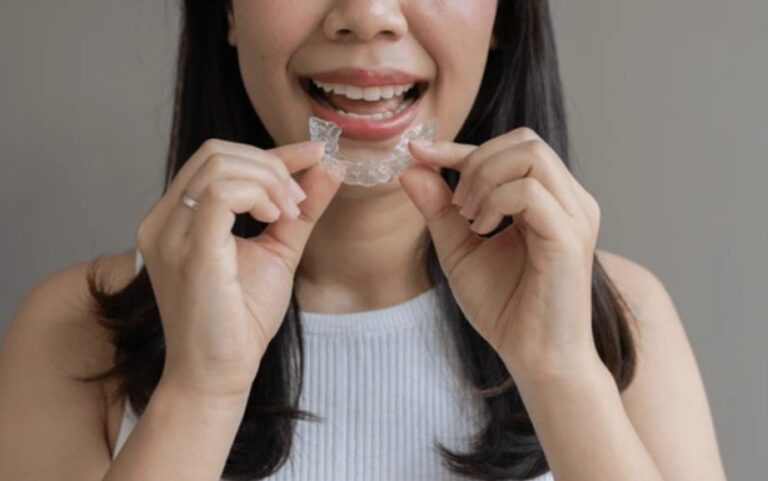
Cosmetic straightening uses clear aligners or braces to shift teeth into better positions. Then you can reach more surfaces with your toothbrush and floss. You spend less time fighting stuck food and bleeding gums.
For many families, straightening also helps your child or teen feel less judged. That emotional relief can push better habits at home. A teen who likes their teeth is less likely to skip brushing at night.
Cleaning Challenges Before And After Teeth Straightening
| Cleaning Task | Crowded Or Crooked Teeth | Straightened Teeth |
|---|---|---|
| Brushing front and back surfaces | Many hidden spots that trap plaque | Brush reaches most surfaces with fewer missed spots |
| Flossing between teeth | Floss may shred or not fit in tight curves | Floss slides more easily between even spaces |
| Food stuck after meals | Frequent trapping in overlaps and rotations | Less trapping because teeth meet more evenly |
| Time needed for daily care | Long routine with frustration and missed spots | Short routine with more complete cleaning |
You do not straighten teeth only for looks. You also cut the daily burden of cleaning and reduce long term risk of decay.
2. Cosmetic Repairs Seal Weak Spots
Chips, cracks, worn edges, and deep stains can feel embarrassing. They also create small openings for bacteria. Those weak spots can turn into cavities or larger fractures.
Cosmetic repairs often use bonding, veneers, or tooth colored fillings. These treatments do more than change color or shape. They seal exposed surfaces. They cover thin enamel. They restore the natural line of the tooth so pressure spreads evenly when you chew.
When you repair a chipped tooth early, you avoid a deeper crack that might need a crown or root canal later. When you replace a metal filling with a tooth colored one that fits better, you close gaps where food and bacteria hide.
You might choose a repair because you hate how that tooth looks in photos. Yet the repair also works like a shield. It gives preventive care a stronger base to protect.
3. Whitening And Aesthetics Boost Daily Habits
Many people feel shame about stained or uneven teeth. That shame can lead you to avoid smiling, talking, or seeking care. Some people even cancel cleanings because they feel judged already.
Teeth whitening, shaping, and simple bonding do not change tooth strength. They change how you feel when you see your reflection. That change can be powerful.
After cosmetic whitening many people report that they:
- Brush longer and more often to keep the color
- Cut sugary drinks that stain and damage enamel
- Use floss and mouthrinse more regularly
That extra effort supports everything your preventive care team does. Cleanings become easier. The hygienist spends less time scraping thick plaque. You spend less time in the chair and face fewer hard talks about gum disease.
Cosmetic changes can also help older adults who feel worn down by years of dental work. A brighter, more even smile can wake up a sense of pride. That pride can restart habits that slipped during hard seasons of life.
4. Cosmetic Planning Supports Long Term Prevention
Good cosmetic care starts with a full checkup. Your dentist reviews your bite, your gums, and your decay risk. No responsible dentist will place veneers on teeth with untreated cavities or active gum disease.
This careful planning links cosmetic steps with a long term plan to prevent new problems. You might:
- Fix gum disease before whitening or veneers
- Replace broken fillings before straightening teeth
- Use night guards to protect cosmetic work from grinding
Each step supports the next. You end up with a mouth that not only looks better but also functions better. You chew more evenly. You avoid sharp edges that cut your tongue or cheek. You protect your jaw from strain that can cause headaches.
For children and teens, cosmetic planning may include timing. Your dentist may suggest waiting for some treatments until growth slows. At the same time, they can use simple bonding or shaping to help your child feel accepted now. That balance between present comfort and future health is a quiet form of protection.
How To Use Both Types Of Care Wisely
You do not need every cosmetic treatment. You do benefit from a clear plan that blends preventive and cosmetic steps. You can:
- Keep six month checkups so problems are found early
- Ask how any cosmetic work will affect cleaning and future health
- Set a budget and timeline that your family can keep without stress
Then you can start with the change that helps both your health and your confidence the most. For some people that is straightening. For others it is fixing one front tooth that always draws comments.
When you use cosmetic dentistry to support preventive care, you do more than change a smile. You protect your mouth, ease daily care, and give yourself or your child a quiet sense of safety when facing the world.


About the Author