Cavities in children are common, painful, and preventable. You can lower your child’s risk with a few steady habits at home and the right support from a dentist. This guide walks you through four clear strategies that protect your child’s teeth before problems start. You will learn how daily brushing and simple food choices cut down harmful sugars. You will see how regular checkups catch early signs of decay. You will also understand when to ask about fluoride and sealants for extra protection. Each step is simple and does not need special tools. It does need your attention and routine. If your child already has tooth pain or swelling, seek urgent dental care for emergencies in Sugar Land. Early care stops small problems from turning into lasting damage. Your action today can spare your child future pain and fear.
1. Brush and clean between teeth every day
Tooth decay starts when germs feed on sugar and make acid. That acid eats through the hard shell of the tooth. Daily cleaning removes the germs and food before they cause harm.
Use three simple rules.
- Brush two times a day for two minutes.
- Use a smear of fluoride toothpaste for children under 3 and a pea sized amount for children 3 and older.
- Clean between teeth once a day with floss or small brushes when teeth touch.
Stand with your child during brushing. You guide the brush until your child can write in clear print. That level of hand control often comes around age 7 to 8. You can let your child try first. Then you finish.
Focus on three spots. The gum line. The chewing surfaces. The back teeth. Move the brush in small circles. Spit out the foam. Do not rinse with water. The thin layer of paste left on the teeth keeps working.
2. Shape eating and drinking habits
Food choices matter. Time of day and how often a child eats matter even more. Frequent snacks keep sugar on the teeth. That gives germs a steady supply of fuel.
Use these three steps to protect your child’s teeth.
- Serve water as the main drink between meals.
- Keep sweets and juice for rare treats and serve them with meals.
- Stop all food and drink, except water, after toothbrushing at night.
Sticky snacks cling to teeth. Gummy fruit snacks, caramels, and chewy granola bars stay in grooves and between teeth. Simple swaps reduce harm. Fresh fruit, cheese, plain yogurt, nuts, and crunchy vegetables clear from the mouth faster.
Here is a simple comparison.
| Choice | Effect on cavity risk | Simple swap |
|---|---|---|
| Fruit juice in a sippy cup throughout the day | High. Sugar bathes teeth for hours. | Water between meals. Juice in a small open cup with meals only. |
| Gummy fruit snacks | High. Sticky and slow to clear. | Fresh fruit pieces or sliced apples. |
| Soda or sports drinks | High. Sugar and acid damage enamel. | Water or milk with meals. |
| Plain cheese or yogurt | Lower. Helps protect the tooth surface. | Keep snacks after school. |
Night bottles and bedtime snacks need special care. A child who sleeps with milk or juice in a bottle or a covered cup faces strong risk for early decay. Offer water only at night. If your child still nurses at night, clean the teeth with a soft cloth or brush after the last feed.
3. Schedule steady dental checkups
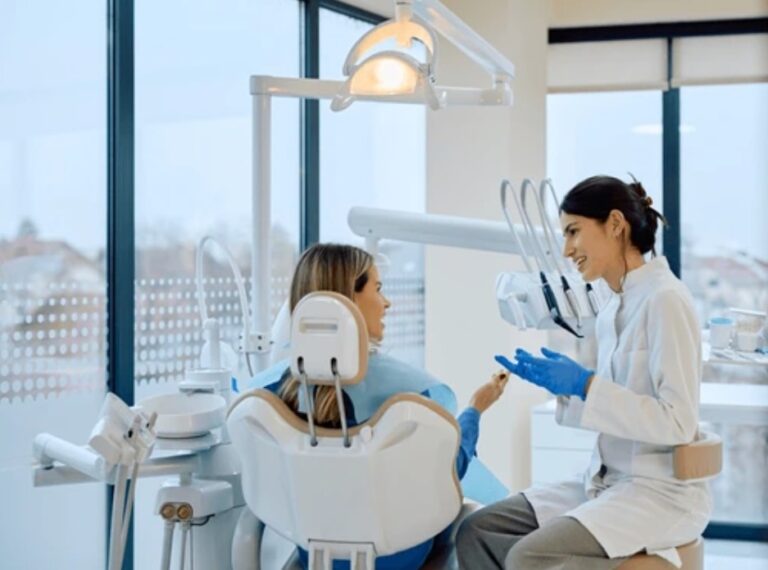
Regular visits catch small problems early. They also give you clear guidance you can trust. The American Academy of Pediatrics and the American Dental Association both support a first dental visit by age 1 or within six months after the first tooth appears. Then your child should see a dentist every six months or as advised.
At a preventive visit, the dental team will usually:
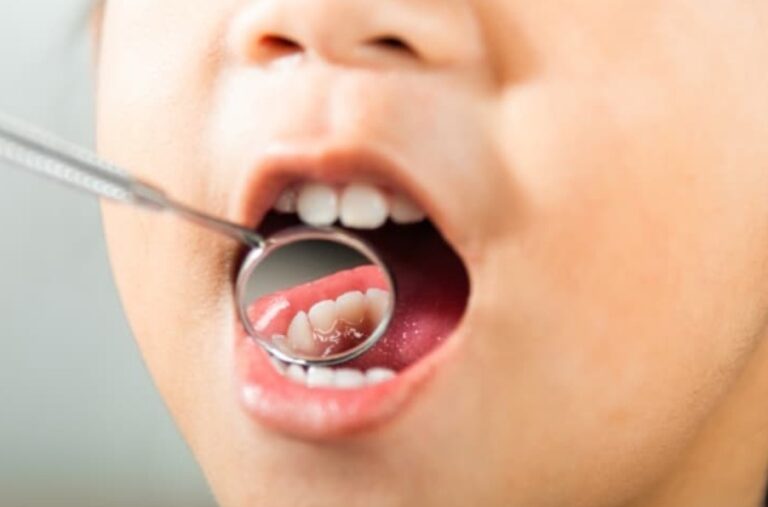
- Check for early white spots that show the start of decay.
- Clean the teeth to remove hardened buildup.
- Review brushing, flossing, and eating habits with you.
- Apply fluoride if your child needs it.
These visits also help reduce fear. Your child learns that the dental office is a safe place. That calm trust makes future care easier if treatment is ever needed.
You can find general guidance on oral health for children from the National Institutes of Health.
4. Use fluoride and sealants for extra protection
Fluoride makes the outer layer of the tooth harder. That layer can then resist acid from germs. Sealants cover the deep grooves in back teeth with a thin shield. Together, these steps cut the chance of cavities in children.
Fluoride
Your child can get fluoride from three sources.
- Tap water that has fluoride.
- Fluoride toothpaste.
- Fluoride treatments at the dentist.
Public water supplies often include fluoride at a safe level. You can ask your local water system or check reports online. If your home water does not have fluoride, talk with your child’s doctor or dentist. They may suggest drops or tablets for some children.
Use fluoride toothpaste as soon as the first tooth appears. Keep the amount small. Watch your child while brushing to limit swallowing.
Sealants
Back teeth have grooves that trap food. Brushes do not always reach into those grooves. Sealants are thin coatings that flow into the grooves and harden. They stop food and germs from getting in.
The dentist often places sealants on permanent molars soon after they come in. That often happens around ages 6 and 12. The process is quick and does not hurt. The tooth is cleaned and dried. Then the sealant is painted on and cured with a light.
| Protection method | Main benefit | Best time to start |
|---|---|---|
| Fluoride toothpaste | Hardens all tooth surfaces. | At first tooth, with a smear of paste. |
| Fluoride at the dentist | Extra strength for high risk children. | Every 3 to 6 months, as advised. |
| Sealants on molars | Shields deep grooves from decay. | When first and second permanent molars erupt? |
Putting the four strategies together
Cavity prevention works best when you use these steps together.
- Clean teeth every day.
- Shape snacks and drinks.
- Keep steady dental visits.
- Use fluoride and sealants when your dentist suggests them.
Your child depends on you to build these habits. Each small choice protects their comfort, speech, sleep, and confidence. Strong baby teeth also guide adult teeth into good positions.
If you feel unsure where to start, pick one change today. You might add night brushing. You might switch juice to water between meals. You might call to schedule a checkup. Then add the next step when the first one feels steady.
Teeth cannot heal large cavities on their own. Yet you can stop many cavities from forming. Your steady action now keeps your child’s smile strong and pain-free.


About the Author