Your child’s smile changes fast as baby teeth fall out and adult teeth grow in. Each stage brings new risks for pain, infection, and crooked teeth. You want simple steps that actually protect your child’s mouth. This blog explains four dental services that keep teeth strong through the growth years. You see how early visits prevent problems. You learn which treatments shield enamel, guide jaw growth, and stop cavities before they spread. You also know when to ask your Sunnyvale family dentist about each option. Childhood is not a waiting period. It is the time when habits form, teeth move, and small issues turn into bigger ones. With the right care, your child can chew, speak, and smile with comfort. You do not need complex plans. You only need clear tools, used at the right time.
1. Regular checkups and cleanings
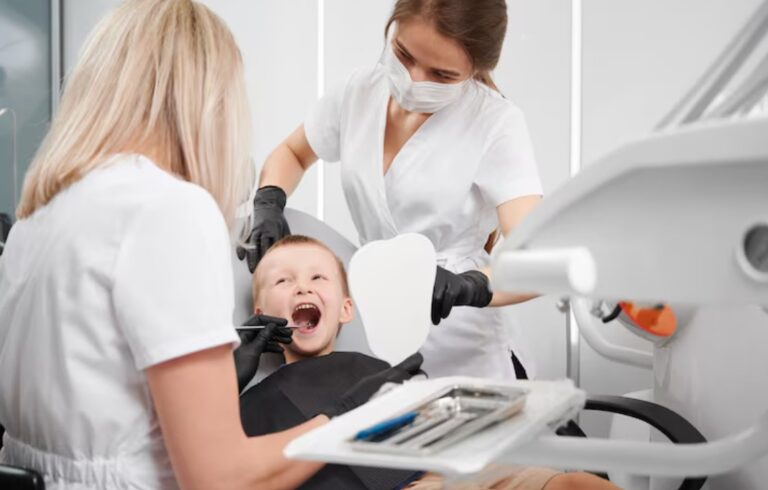
Routine checkups give you early warning. Cleanings remove sticky plaque and hardened tartar that brushing misses. This lowers the chance of cavities and gum problems.
During a visit, the dentist will usually:
- Check each tooth and the gums
- Look at how the teeth fit together
- Clean away plaque and tartar
- Give you clear brushing and flossing tips
The American Academy of Pediatric Dentistry suggests that children see a dentist every six months. Regular visits turn care into a habit for your child. You also avoid panic visits when pain hits.
Here are common signs it is time to schedule or not delay a visit:
- White or brown spots on teeth
- Bad breath that does not fade with brushing
- Jaw pain or clicking
- Crowding or teeth that twist
2. Fluoride treatments
Fluoride strengthens tooth enamel. It makes teeth more resistant to acid from food and bacteria. This lowers the risk of cavities, even when brushing is not perfect.
During a fluoride treatment, the dentist applies a gel, foam, or varnish to your child’s teeth. The process is quick and painless. Your child may only need to avoid food or drink for a short time after.
The Centers for Disease Control and Prevention explains how fluoride protects teeth and supports community health in its report on Community Water Fluoridation. You can use that information to decide what your child needs based on your home water source.
Typical fluoride options include:
- In office fluoride varnish during checkups
- Fluoride toothpaste at home
- Fluoride mouth rinse for children who can spit on command
Ask the dentist about the right schedule. Too much fluoride can cause faint white streaks on teeth. The right amount protects without cosmetic changes.
3. Dental sealants
Sealants are thin coatings that the dentist paints on the chewing surfaces of back teeth. These teeth have grooves that trap food and bacteria. Brushing does not always reach deep into those grooves. Sealants create a smooth surface that is easier to clean.
The process usually includes:
- Cleaning the tooth
- Placing a gentle gel to prepare the surface
- Rinsing and drying the tooth
- Brushing on the sealant
- Shining a curing light to harden it
Sealants work best when placed soon after the first and second permanent molars come in. That is often around ages 6 and 12. They can last for years and can be repaired if they chip or wear.
4. Early orthodontic checks
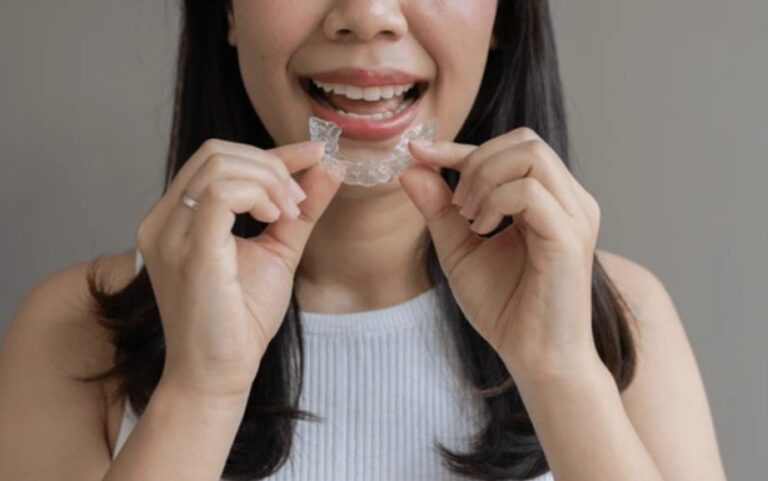
Teeth do not only need to be clean. They also need to fit together so your child can bite, chew, and speak without strain. Early orthodontic checks look at jaw growth and tooth position.
An orthodontic screening often includes:
- A review of your child’s medical and dental history
- Photos and X rays of teeth and jaws
- A check of how upper and lower teeth meet
The dentist may watch growth for a time or suggest early treatment. This might include simple appliances that guide jaw growth or create space so teeth can come in straight. Early steps can shorten or simplify braces later.
How these four services work together
Each service supports the others. Together they form a clear plan that follows your child from toddler years through the teen years.
| Service | Main purpose | Best age window | How often |
|---|---|---|---|
| Checkups and cleanings | Find problems early and remove plaque and tartar | Start by age 1 and continue through teen years | Every 6 months or as advised |
| Fluoride treatments | Strengthen enamel and reduce cavities | From first tooth through teen years | Every 3 to 12 months based on risk |
| Dental sealants | Protect grooves of back teeth from decay | When first and second permanent molars appear | Check at each visit. Replace as needed |
| Early orthodontic checks | Guide jaw growth and tooth position | Around age 7 and during growth spurts | As recommended after first evaluation |
How to support these services at home
Home care keeps dental visits short and calm. It also helps each treatment last.
Use these three core habits:
- Brush teeth with fluoride toothpaste two times each day
- Floss once each day when teeth touch
- Limit sugary drinks and snacks, especially between meals
You can also make dental care less scary. You can read books about dentist visits. You can practice opening wide in front of a mirror. You can use a reward chart for brushing and flossing.
When to talk with your dentist
Reach out if you notice pain, swelling, bleeding gums, or changes in how your child chews. Do not wait for the next routine visit. Small issues grow fast in a young mouth.
Your dentist can help you decide:
- When to begin fluoride treatments
- Whether your child is ready for sealants
- If jaw growth or tooth position needs early review
With steady care and the right four services, your child’s smile can stay strong through every growth stage.


About the Author