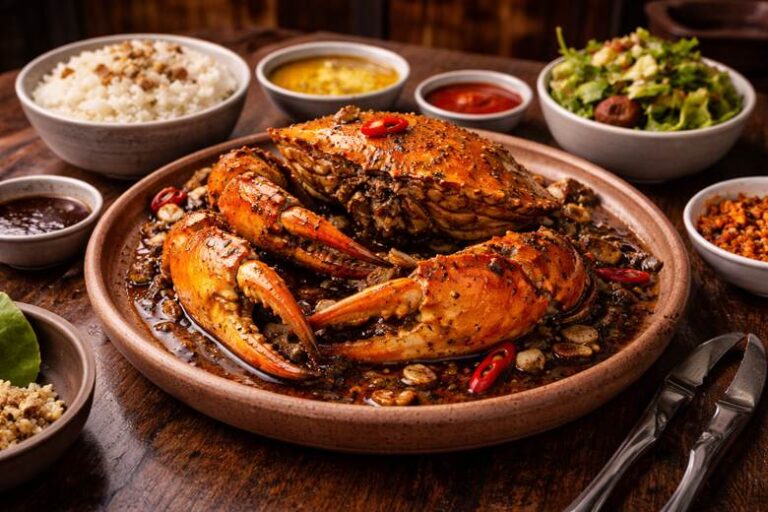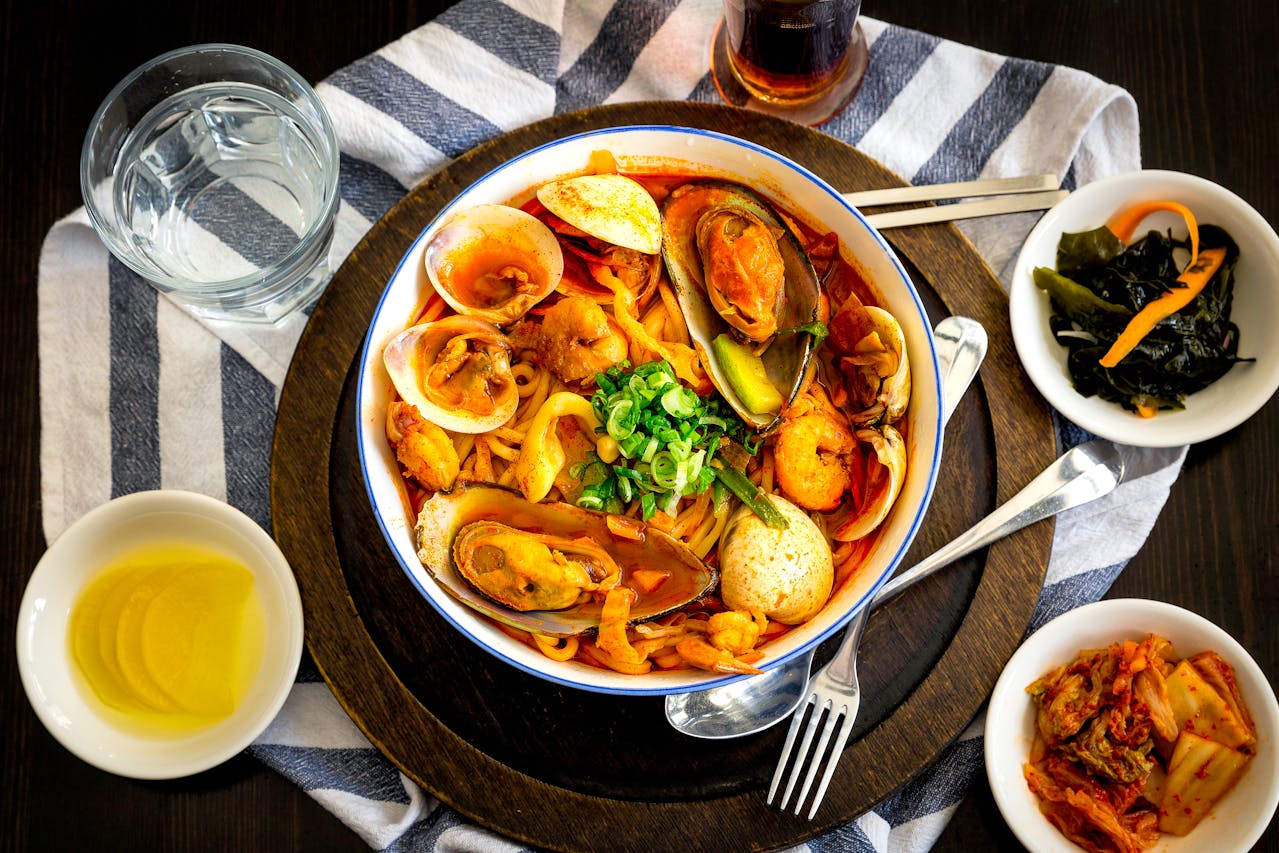
Food trends often reflect how cultures interact, travel, and evolve. Over the past few years, one dining trend has quietly caught the attention of chefs and food lovers alike: Mediterranean-Asian fusion cuisine. As the name suggests, this style of cooking blends the vibrant flavors of Mediterranean cuisine with the delicate balance and techniques commonly found in Asian culinary traditions thus MediterrAsian.
For many diners, this combination creates something exciting and new. It’s familiar yet unexpected. A dish may feature Mediterranean ingredients like olive oil, grilled seafood, or fresh herbs, but paired with Asian influences such as soy-based marinades, sesame, or aromatic spices. The result is a dining experience that feels adventurous while still comforting.
Restaurants around the world are embracing this culinary crossover, creating menus that invite guests to explore the best of both worlds. For food lovers seeking something beyond traditional restaurant menus, MediterrAsian dining offers a refreshing and memorable experience.
The Natural Harmony Between Mediterranean and Asian Flavors
At first glance, Mediterranean and Asian cuisines might seem very different. However, when chefs experiment with ingredients and cooking methods, they often discover surprising similarities.
Both cuisines prioritize freshness, balance, and vibrant flavors. Mediterranean dishes often rely on ingredients such as olive oil, tomatoes, seafood, herbs, and citrus. Asian cuisine, on the other hand, frequently incorporates soy sauce, ginger, sesame, and fermented elements to create layers of flavor.
When combined thoughtfully, these ingredients complement each other beautifully.
For example, grilled Mediterranean seafood can be enhanced with a light Asian-inspired glaze made from soy sauce, honey, and ginger. A traditional Mediterranean salad can be elevated with a sesame dressing or a miso vinaigrette. Even classic rice or noodle dishes can incorporate Mediterranean elements such as roasted vegetables, feta cheese, or herb-infused oils.
Chefs enjoy experimenting with these combinations because it allows them to create dishes that feel both familiar and exciting. This harmony between flavors is one of the main reasons Mediterranean-Asian cuisine is gaining popularity among adventurous diners.
A Dining Experience That Feels Fresh and Modern
Beyond the flavors themselves, MediterrAsian restaurants often focus on creating an entire dining experience that feels contemporary and social.
Modern diners are looking for more than just good food. They want atmosphere, creativity, and a sense of discovery. Restaurants that offer fusion cuisine often design menus for sharing, allowing guests to try multiple small dishes in one sitting.
This approach is similar to how tapas or dim sum are enjoyed. Instead of ordering a single main course, diners can explore a variety of plates—perhaps grilled prawns with citrus soy glaze, lamb skewers with Asian spices, or roasted vegetables drizzled with sesame-infused olive oil.
In many cities, these restaurants also combine dining with lounge-style environments, music, and stylish interiors. The result is a relaxed yet upscale setting where guests can enjoy food, conversation, and social interaction.
This trend reflects a broader shift in the hospitality industry. Just as fusion cuisine combines flavors, modern restaurants often blend dining, entertainment, and social experiences into one cohesive environment.
Why Food Lovers Are Drawn to Fusion Cuisine
Food enthusiasts are naturally curious. They enjoy discovering new flavors, exploring global culinary traditions, and trying dishes they have never encountered before.
Fusion cuisine satisfies that curiosity while still offering recognizable elements. A dish may introduce a surprising ingredient combination, but the core flavors remain approachable.
For example, someone who enjoys grilled Mediterranean seafood may feel comfortable trying a version enhanced with Asian spices or sauces. Similarly, a fan of Asian stir-fried dishes may appreciate Mediterranean herbs or olive oil incorporated into the recipe.
This balance between familiarity and novelty is a powerful draw.
Another reason fusion dining is gaining attention is the influence of global travel and multicultural cities. As people travel more and experience diverse cuisines, their expectations for dining evolve. They become more open to creative interpretations of traditional dishes.
Chefs, in turn, respond to this curiosity by developing menus that celebrate multiple culinary traditions rather than limiting themselves to a single regional style.
Even industries outside hospitality reflect this idea of blending cultures and ideas. In fashion, design, and technology, innovation often happens when different influences come together. Food is no different. Culinary creativity frequently thrives at the intersection of cultures.
How Restaurants Are Elevating the Fusion Dining Trend
Restaurants specializing in Mediterranean-Asian cuisine are taking the concept beyond simple ingredient mixing. Many establishments approach it as an art form, carefully crafting menus that highlight the strengths of both culinary traditions.
Chefs may focus on presentation, combining the colorful plating styles often associated with Mediterranean dining with the precise aesthetics common in Asian cuisine. The result is food that looks as impressive as it tastes.
Menus are also evolving to include a wide variety of dishes that reflect this cross-cultural inspiration. Guests might find sushi rolls topped with Mediterranean herbs, grilled meats served with Asian dipping sauces, or desserts that combine ingredients like pistachio, coconut, and citrus.
For diners interested in exploring this style of cuisine, dining at a restaurant focused on MediterrAsian cuisine can be an eye-opening experience. Many establishments highlight their menus and dining concepts online, making it easier for guests to discover what to expect before visiting. A closer look at examples such as https://thebanc.ae/ reveals how restaurants are presenting modern fusion dining concepts and curated culinary experiences.
The growth of these restaurants also reflects the broader global appreciation for culinary diversity. Food lovers are increasingly drawn to restaurants that celebrate creativity, craftsmanship, and cultural exchange.
In fact, the concept of combining culinary traditions has long been part of the evolution of global food culture. Culinary traditions, such as fusion cuisine, highlight how chefs blend techniques and ingredients from different regions to create entirely new dining experiences.
Also Read: Can You Eat Too Much Chocolate? The Health Risks Explained
The Future of MediterrAsian Dining
As global food culture continues to evolve, MediterrAsian cuisine is likely to become even more popular. The combination of bold flavors, fresh ingredients, and creative presentation appeals to a wide range of diners—from casual food enthusiasts to experienced culinary explorers.
Younger generations in particular are driving demand for unique dining experiences. Social media platforms have also played a role, as visually appealing fusion dishes often attract attention online and inspire people to try new restaurants.
At the same time, chefs are continuing to refine their approach to fusion cuisine. Rather than simply mixing ingredients, many focus on understanding the cultural origins of each dish and blending them thoughtfully to respect both traditions.
This careful balance allows MediterrAsian cuisine to remain authentic while still embracing innovation.
For food lovers, this means more opportunities to discover dishes that surprise and delight. Whether enjoying grilled seafood with aromatic spices, savoring beautifully plated appetizers, or sharing creative small plates with friends, MediterrAsian dining offers a culinary adventure that feels both modern and timeless.
In a world where cultures connect more than ever before, it’s no surprise that our food reflects that same spirit of collaboration. MediterrAsian fusion dining celebrates diversity, creativity, and the universal joy of sharing a great meal, making it a must-try for anyone passionate about food.


About the Author