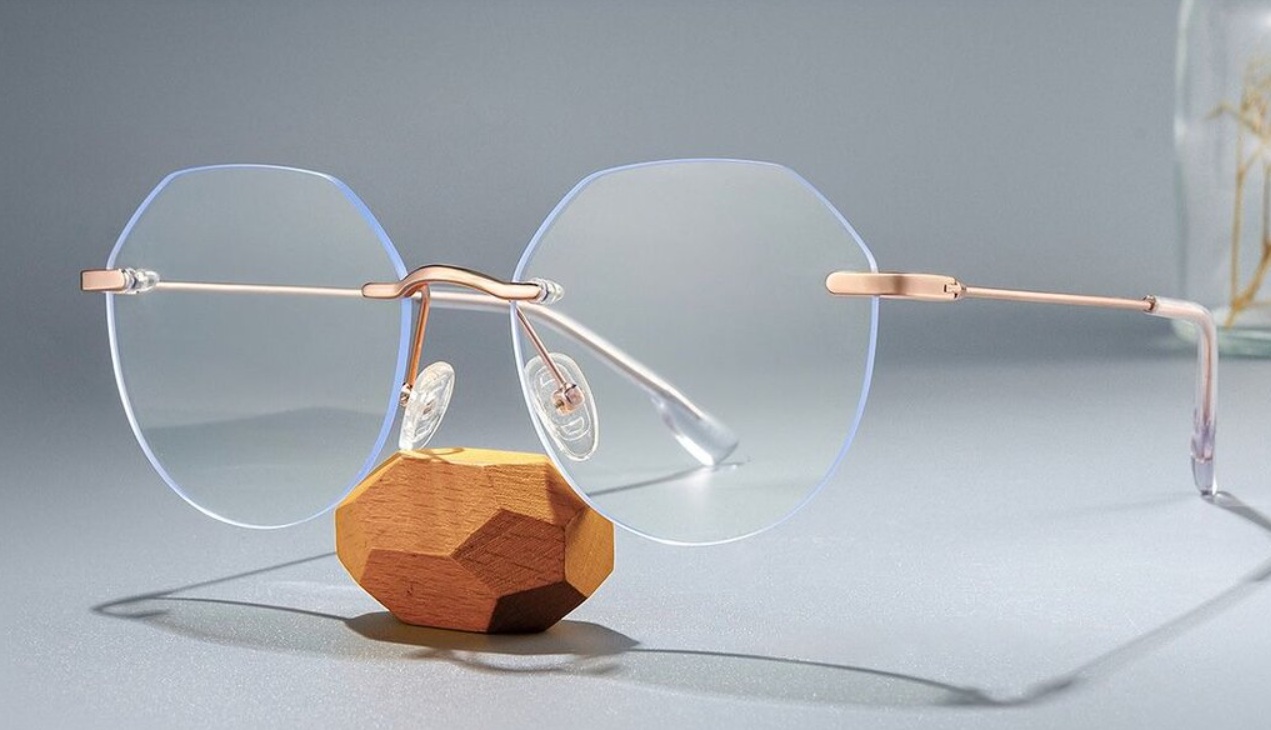
Sarah stared at her reflection in the office restroom mirror, adjusting her new glasses for the third time that morning. The trendy tortoiseshell frames she’d excitedly ordered online looked nothing like she’d imagined—they pinched her nose, slid down constantly, and somehow made her face look wider. Worse, the headache building behind her eyes told her this wasn’t just a bad style choice; it was a costly mistake she’d have to live with every single day.
This scenario plays out more often than you might think. Many women invest in eyewear without understanding the critical factors that separate a perfect pair from an expensive regret. While the market for men’s eyeglass frames often focuses on utilitarian durability, the vast array of women’s eyeglass frames offers a complex mix of fashion, fit, and functionality that requires careful navigation. Common mistakes in selecting frames don’t just waste money—they lead to physical discomfort, reduced productivity at work, and a nagging sense that something about your look just isn’t right. When your glasses don’t work for you, they undermine rather than enhance your confidence.
This guide is designed specifically for working professionals who need eyewear that delivers on both fronts: chic style that complements your image and all-day functionality that supports your demanding schedule. By understanding the five most common pitfalls and how to avoid them, you’ll transform your next eyewear purchase from a gamble into a strategic decision that serves you well for years to come.
Mistake 1: Prioritizing Trends Over Face Shape and Proportions
Walking into an eyewear store armed with screenshots of the latest celebrity frames seems like a smart strategy—until you realize those oversized cat-eyes that looked stunning on Instagram make your round face appear even fuller. The most common mistake women make is chasing trends without considering whether those styles actually complement their unique facial structure. What works beautifully on a model with angular features can overwhelm someone with softer proportions, and that “must-have” geometric frame might clash entirely with your natural contours.
The wrong frame shape doesn’t just fail to flatter—it actively works against you by drawing attention to features you’d rather balance. Round faces paired with circular frames create monotony, while angular faces with severe rectangular styles can appear harsh. Understanding this relationship between face shape and frame geometry is essential. Round faces benefit from angular frames that add definition; square faces soften with curved or oval styles; oval faces can experiment broadly but shine in frames slightly wider than the broadest part of the face; and heart-shaped faces balance beautifully with bottom-heavy frames or cat-eyes that aren’t too wide at the top.
To find your perfect match, start by pulling your hair completely back and tracing your face shape on a mirror with a washable marker, or simply take a straight-on photo and outline your face digitally. Identify whether your face is widest at the cheeks, jawline, or forehead, and note whether your jaw is rounded or angular. Then apply the complementary principle: choose frames that contrast your face shape rather than echo it. Bring a trusted friend for honest feedback, and don’t leave the store until you’ve compared at least three different frame shapes on your face, photographing each to review side-by-side. This methodical approach ensures your women’s eyeglass frames enhance rather than fight your natural beauty.
Mistake 2: Sacrificing Comfort for Style in Your Women’s Eyewear
That stunning pair of designer frames might photograph beautifully, but if they’re digging into the bridge of your nose by mid-morning or leaving red marks on your temples by lunch, they’ve failed their primary function. Too many women endure discomfort because they believe stylish eyewear must come with a trade-off, or they assume they’ll “get used to” the pressure over time. The reality is that uncomfortable glasses don’t break in—they break down your focus, trigger tension headaches, and create a constant distraction that undermines your productivity throughout the workday.
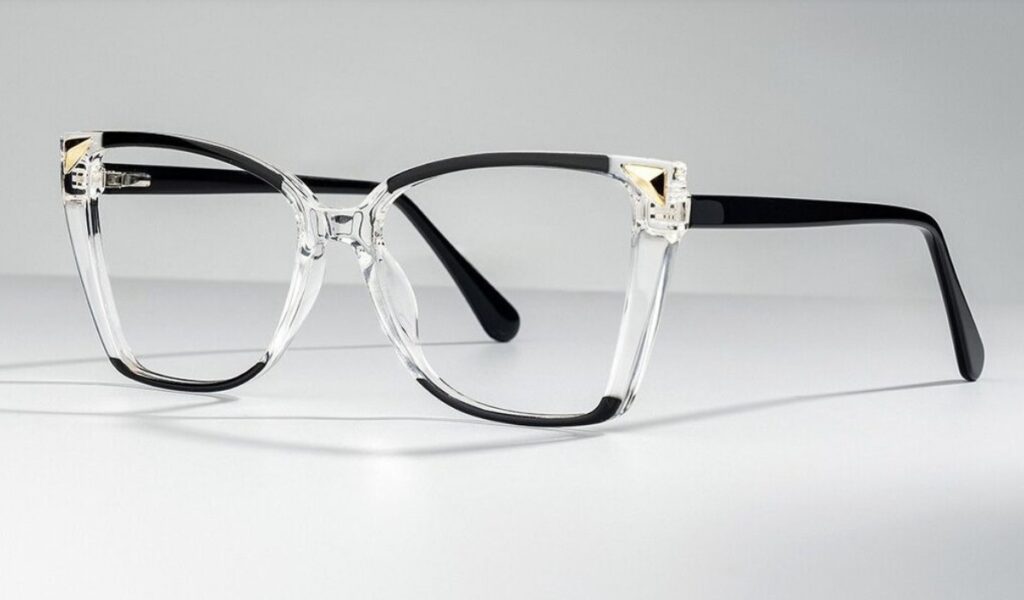
Several specific elements determine whether your frames will support you comfortably through long hours at your desk or back-to-back meetings. Frame weight matters significantly; heavy acetate or metal frames create pressure points that accumulate over hours, while lightweight materials distribute weight more evenly. Nose pad design directly impacts whether your glasses stay in place without pinching—adjustable silicone pads typically offer better customization than fixed plastic bridges. Temple length and flexibility affect how securely frames sit without squeezing your head, and overall frame width determines whether the glasses grip too tightly or slide down constantly. A professional optician can adjust these elements, but only if the base frame is properly sized to begin with.
Before purchasing, conduct a thorough comfort assessment. Wear the frames for at least ten minutes in the store, moving your head naturally and simulating your typical activities—looking down at your phone, tilting your head to read, nodding in conversation. Check that the frames don’t pinch behind your ears or press too firmly on your nose bridge.
Verify that the temples curve gently around your ears without creating pressure points. Ask specifically about frame materials; lightweight titanium, flexible TR-90, or thin acetate options combine durability with comfort. Request that the optician adjust the nose pads and temple arms before you leave, ensuring a customized fit. Remember that comfortable glasses should feel almost invisible after the first few minutes of wear—if you’re constantly aware of them, keep looking.
Mistake 3: Ignoring Your Professional Image and Personal Style
Your eyewear is never just a vision correction tool—it’s the first thing people notice about you in meetings, presentations, and daily interactions. Yet many women select frames in isolation, treating them as a standalone accessory rather than an integral part of their professional wardrobe.
The mistake manifests in multiple ways: choosing playful, colorful frames that undermine your authority in conservative industries, selecting minimalist wire frames that disappear when your personal style is bold and expressive, or wearing the same casual weekend glasses to important client presentations. When your eyewear clashes with your professional image or personal aesthetic, it creates a subtle disconnect that others sense even if they can’t articulate why.
The most successful professionals understand that eyewear communicates before you speak. Classic tortoiseshell or dark frames in structured shapes convey authority and reliability, making them ideal for law, finance, or corporate environments. Sleek metal frames in silver or gold project modern sophistication suited to creative industries or tech sectors.
Bold colors or unique geometric shapes express creativity and confidence, perfect for entrepreneurs or design professionals. The material choices matter equally—premium acetate suggests attention to quality, while titanium communicates precision and modernity. Your frames should reinforce rather than contradict the professional persona you’ve carefully cultivated through your clothing, accessories, and communication style.
Build a strategic eyewear wardrobe by starting with one versatile pair that works across contexts—typically a medium-width frame in a neutral color with clean lines that complement your face shape. Then consider adding a second pair that leans into your personality: perhaps a chic eyeglass frame with subtle detailing for evening events, or a bolder style for creative workdays.
Evaluate each potential purchase against your most-worn professional outfits; if the frames clash with more than one signature look, they’re wrong for your wardrobe. Consider your industry’s unspoken dress codes and whether you need to project authority, approachability, creativity, or precision. Take photos of yourself wearing candidates with your typical work attire, not just casual clothes. This intentional approach ensures your women’s eyewear enhances the professional image you’ve worked hard to establish.
Mistake 4: Overlooking Lens and Frame Quality for the Sake of Price
The temptation to save money on eyewear is understandable, especially when budget-friendly options flood online marketplaces with promises of designer looks at fraction prices. However, choosing frames and lenses based primarily on low cost rather than quality is a false economy that costs you far more in the long run. Cheap frames bend out of shape within months, requiring constant readjustment or replacement.
Poor-quality lenses distort your vision at the edges, lack proper UV protection that safeguards your eye health, and scratch easily despite claims otherwise. The hidden costs accumulate quickly: replacement pairs, optician visits for repairs, eye strain from suboptimal optics, and the frustration of glasses that never quite work as they should.
Quality manifests in specific, identifiable ways that directly impact your daily experience. Frame construction matters immensely—premium materials like titanium or high-grade acetate maintain their shape and finish through years of wear, while cheap plastic becomes brittle and discolored. Hinge mechanics separate reliable eyewear from constant annoyances; spring hinges and reinforced barrel hinges withstand daily folding without loosening, whereas flimsy hinges fail within months.
Lens quality determines visual clarity and protection; superior lenses offer distortion-free optics across the entire surface, multiple coatings for anti-reflective properties and scratch resistance, and genuine UV protection that preserves long-term eye health. These elements aren’t luxuries—they’re fundamentals that determine whether your eyewear serves you reliably or becomes a recurring expense.
Evaluate quality by examining frame construction details before purchase. Flex the temples gently to assess material resilience—they should bend slightly then return to shape, not feel rigid or overly loose. Inspect hinges closely for smooth operation and secure attachment points; quality hinges move fluidly without wobbling. Ask specifically about lens materials and coatings, requesting documentation of UV protection levels and scratch-resistance warranties.
Compare the weight and finish of frames across price points to understand what you’re actually paying for. Many online retailers like ZEELOOL now offer detailed specifications for frame materials and lens coatings, making it easier to compare quality indicators even when shopping remotely. Invest in the best quality your budget allows, viewing eyewear as a multi-year investment rather than a disposable accessory. A single pair of quality women’s eyewear that lasts three years delivers better value than three cheap pairs that fail annually, while providing superior comfort and vision throughout their lifespan.
Mistake 5: Skipping the Professional Fitting and Consultation
Even after carefully selecting frames that complement your face shape, prioritizing comfort, matching your professional image, and investing in quality materials, many women undermine all these smart decisions by skipping the final critical step: a professional fitting and consultation. The convenience of online ordering or the impulse to walk out of the store immediately after purchase feels efficient, but bypassing an optician’s expertise leaves you with glasses that technically fit but don’t function optimally.
Virtual try-on technology, while helpful for initial screening, cannot measure the precise distances and alignments that determine whether your lenses actually correct your vision as prescribed or simply approximate it.
A professional optician performs several essential adjustments that dramatically impact your eyewear’s effectiveness. They measure your pupillary distance with precision instruments, ensuring the optical centers of your lenses align exactly with your pupils—even a few millimeters off causes eye strain and headaches.
They adjust nose pads to distribute weight evenly and prevent sliding, customize temple arms to curve at the exact point behind your ears for secure hold without pressure, and verify that your eyes sit at the correct height within the frame for your prescription type. These adjustments transform generic frames into personalized tools calibrated specifically for your face and vision needs.
Schedule a fitting appointment and arrive prepared to communicate your needs clearly. Describe your daily activities—extended computer work, driving, reading—so the optician can optimize adjustments accordingly. Request that they explain each adjustment they make and why it matters. Wear the adjusted frames for fifteen minutes in the store, then ask for refinements if anything feels off. Return within the first week if discomfort develops; most opticians offer complimentary adjustment services. This professional consultation is the non-negotiable final step that unites style, comfort, and function in your women’s eyewear.
Also Read: The Modern Wardrobe Essentials: Comfort, Style, and Versatility for Everyone
Making Informed Eyewear Decisions
The path to perfect eyewear becomes clear when you understand the five critical mistakes to avoid: chasing trends without considering your face shape and proportions, sacrificing comfort for fleeting style appeal, ignoring how your frames align with your professional image and personal aesthetic, compromising on quality to save money upfront, and bypassing the essential professional fitting that brings everything together. Each mistake carries real consequences—wasted money, daily discomfort, undermined confidence, and vision that never quite works as it should.
For working professionals who demand eyewear that performs as hard as they do, the perfect pair of women’s eyeglass frames isn’t about luck or guesswork. It’s a strategic decision that honors your unique features, supports your demanding schedule, reinforces your professional presence, and serves you reliably for years. Your glasses should enhance rather than compromise your vision, comfort, and style—three elements that aren’t mutually exclusive when you approach the selection process with knowledge and intention.
Transform your next eyewear purchase by using this guide as your personal checklist. Assess your face shape before considering trends, test comfort thoroughly before committing, evaluate frames against your professional wardrobe, inspect quality indicators carefully, and schedule that fitting appointment without hesitation. What once felt overwhelming now becomes an empowering opportunity to invest in yourself—because the right eyewear doesn’t just help you see better; it helps you be seen as the confident, capable professional you are.


About the Author