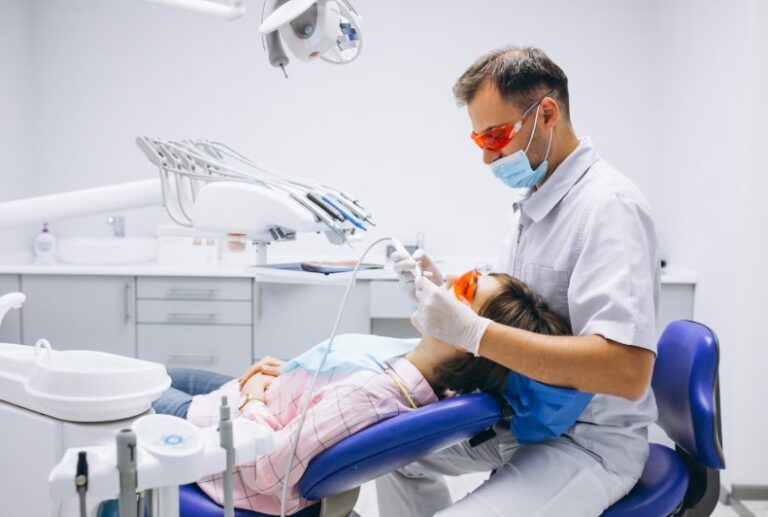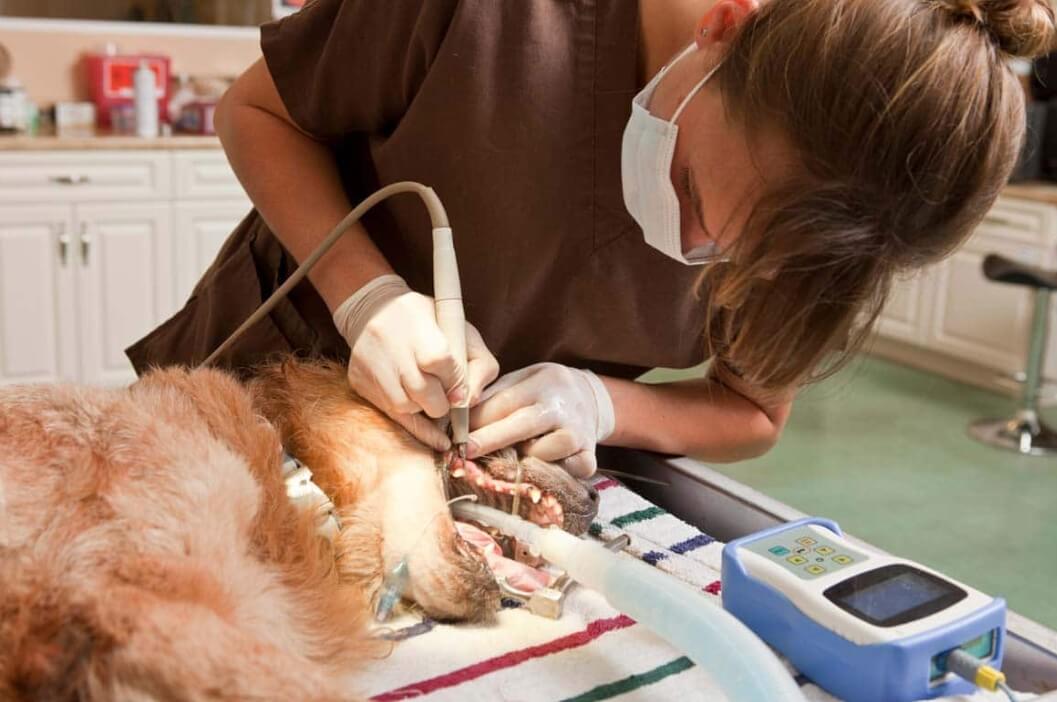
Your pet’s mouth affects more than just their breath. It shapes how they eat, play, and age. When you ignore dental care, you invite pain, infection, and early health decline. Many pets live with sore gums and loose teeth for years. They hide it well. You see a wagging tail or a soft purr and assume they feel fine. They do not. Routine dental care removes that hidden suffering. It protects the heart, kidneys, and liver from infection that starts at the gumline. It also cuts long-term costs. Small cleanings are cheaper than tooth extractions or emergency care. An Oakville veterinarian can spot trouble long before you notice blood on a toy or a pet refusing food. This blog explains why your pet’s teeth deserve the same steady attention as vaccines, exercise, and food.
1. Dental pain is silent but constant
Pets rarely cry from mouth pain. They keep eating. They keep playing. They adjust. That does not mean they feel no pain. It means they cope.
Look for three common signs of dental trouble.
- Bad breath that does not fade after a day
- Brown or yellow buildup on teeth near the gums
- Red, puffy, or bleeding gums when they chew
Some pets chew on one side of the mouth. Others drop food, lick their lips, or back away from toys. Some pets just sleep more. You may see these changes as aging. Often, they signal mouth pain.
Early care prevents deep pockets of infection. It keeps teeth stable. It also protects your pet from the constant sting of sore gums each time they eat.
2. Mouth infections spread through the body
Bacteria in the mouth do not stay there. Each time your pet chews, bacteria enter the blood through damaged gums. Over time, this blood flow reaches the heart, kidneys, and liver.
The American Veterinary Medical Association explains that untreated dental disease can raise the risk of heart and organ problems in pets.
Here are three common long-term effects of poor dental care.
- Heart valve infection from bacteria in the blood
- Kidney strain from chronic infection
- Weight loss from painful chewing and reduced food intake
Routine cleanings break this cycle. They remove plaque and tartar before the gums break down. They also reduce the load of bacteria that can reach other organs.
Also Read: Why Dental Care Is Essential In Pet Health Plans
3. Regular care costs less than crisis care
Dental disease grows in stages. Early plaque is cheap to treat. Advanced rot is not. You pay in money and in your pet’s comfort.
The table below shows a simple comparison of likely veterinary costs. Actual fees vary by clinic. The pattern stays the same. Early care costs less than urgent care.
| Stage | Example service | Likely visit type | Relative cost level |
|---|---|---|---|
| Healthy or mild plaque | Oral exam plus home care plan | Routine wellness visit | Low |
| Early tartar and mild gingivitis | Basic dental cleaning | Planned dental visit | Low to medium |
| Moderate disease | Cleaning plus a few extractions | Planned procedure | Medium to high |
| Severe disease | Many extractions plus antibiotics and pain control | Urgent or emergency visit | High |
Routine dental checks often share a visit with vaccines. You already brought your pet in. Adding a mouth exam and a plan for home care turns one visit into real protection.
4. Good teeth mean better eating and behavior
Healthy teeth help your pet chew well. That supports digestion and steady weight. It also shapes mood and behavior.
Pain changes how pets act. They may:
- Guard toys or food because chewing hurts
- Growl when you touch the face
- Stop playing tug or fetch
After treatment, many pets show three clear changes. They eat with more energy. They play more. They seek more contact. The change can feel sudden. In truth, you are just seeing your pet without constant mouth pain.
The American Animal Hospital Association shares guidance on why dental health supports quality of life for dogs and cats.
5. Daily home care is simple and quick
Clinic cleanings are only one part of dental care. What you do at home each day matters just as much. You do not need complex tools. You need steady habits.
Focus on three steps.
- Brush your pet’s teeth with pet-safe toothpaste once a day or at least several times a week
- Use dental chews or treats approved by your veterinarian
- Schedule regular mouth checks during wellness visits
Start slow. Let your pet lick toothpaste from your finger. Then touch a few teeth. Then use a soft brush. Short sessions work best. Praise and gentle handling build trust.
If brushing is hard, your veterinarian can suggest rinses, gels, or special diets. These do not replace brushing. They still help reduce plaque and keep gums cleaner between visits.
How to start protecting your pet’s mouth today
You can take three simple actions this week.
- Look inside your pet’s mouth for red gums, heavy tartar, or broken teeth
- Call your veterinary clinic to ask when your pet last had a full dental exam
- Begin a daily tooth care routine that fits your pet’s age and temperament
Your pet depends on you for comfort and safety. Dental care is not extra. It is part of basic care. When you protect their mouth, you protect their whole body. You also give them calmer years with less pain and more joy at every meal.


About the Author