Technology keeps changing how you straighten teeth and manage your smile. You now see faster visits, clearer results, and less guesswork. Digital tools let your orthodontist plan each tooth movement with sharp detail. Clear aligners, 3D scans, and smart wires replace old molds and messy materials. As a result, you feel less stress and more control over your treatment. Your orthodontist can show you a likely outcome before you start. That picture gives you a clear goal and stronger motivation. Today, text reminders, video check ins, and secure apps keep you on track between visits. Local clinics use the same tools you see in large cities. For example, Cameron Park orthodontics uses digital scans and treatment planning that match national standards. You deserve care that respects your time, your comfort, and your budget. Modern technology helps make that possible.
From Old Molds to Digital Scans
In the past, you had to sit with trays of goo in your mouth to get an impression. You may remember gagging or feeling stuck in the chair. Now many orthodontists use small handheld scanners.
These scanners create a 3D picture of your teeth in minutes. You breathe and talk during the scan. Your child can watch the image appear on the screen. That simple change lowers fear and gives you clear facts about your mouth.
The American Dental Association explains that digital imaging can reduce radiation and improve accuracy. That means fewer retakes and fewer surprise problems later.
Clear Aligners and Modern Braces
Braces are no longer one single choice. You now see three common paths.
- Metal braces that use smaller brackets
- Ceramic braces that blend with teeth
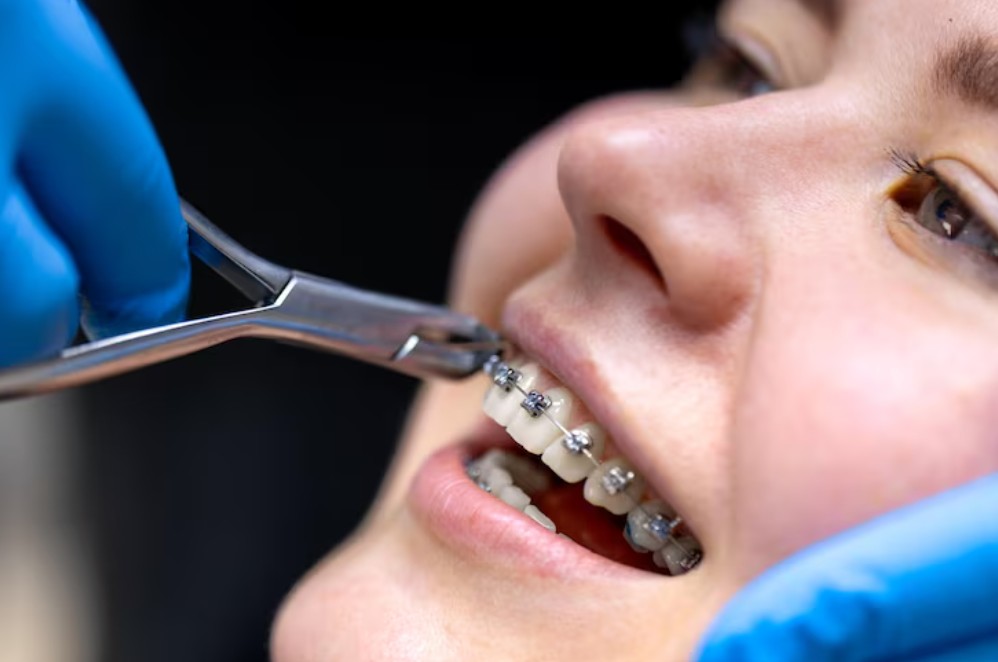
- Clear aligners that fit over teeth like thin trays
Each option uses computer planning. Your orthodontist can move teeth in small, exact steps. You see the plan. Your child sees the plan. That shared view builds trust.
Clear aligners use a series of trays that you change at home. Many parents like this because it reduces school time missed for visits. Braces also benefit from new wire designs that respond to body heat. These wires can move teeth with steadier pressure. You often feel less soreness after adjustments.
Smart Planning and Fewer Surprises
Digital tools help your orthodontist plan before any bracket or tray touches your teeth. This planning can shorten treatment and cut the number of office visits.
The National Institutes of Health report that 3D imaging helps doctors see bone, roots, and airways with more clarity. You can read more about this in research through the National Library of Medicine. That deeper view helps your orthodontist avoid root damage and spot hidden issues early.
For families, this means three things.
- Fewer mid course changes
- More honest timelines
- Better safety checks
How Modern Tech Changes Your Visit
Technology shapes almost every step of your visit. You feel the change from check in to follow up.
- Online forms cut waiting room time
- Digital photos and x rays show instant results
- Chairside screens show progress during each visit
Many offices now use text and email updates. You get reminders for appointments. Your teen gets alerts to change aligners. Some clinics use secure apps where you can send photos of a broken wire or lost tray. Staff can often tell you what to do from home. That fast help can prevent small issues from turning into pain.
Comparing Traditional and Tech Supported Care
| Feature | Traditional Orthodontics | Modern Tech Supported Orthodontics |
|---|---|---|
| Impressions | Goo filled trays | Digital 3D scans |
| Treatment Planning | 2D x rays and models | 3D imaging and computer simulation |
| Comfort | More soreness after adjustments | Gentler wires and smoother aligners |
| Visit Frequency | Frequent in person visits | Targeted visits with some remote checks |
| Progress Tracking | Visual check by eye | Side by side digital images |
| Communication | Phone calls only | Texts, emails, and secure photos |
Support for Children and Teens
Children and teens often feel fear about braces. Technology can soften that fear. When your child sees a digital preview of a straighter smile, it turns dread into a clear goal.
Shorter visits help kids with attention or sensory limits. Fewer emergency visits help you keep work and school steady. Clear aligners can also help children who play wind instruments or contact sports. Braces are still strong and useful. Yet now you can match the tool to your child instead of forcing your child to match the tool.
Cost, Time, and Long Term Health
Many families worry about cost. Technology does not remove that stress. It can still help you protect your money.
- Better planning can reduce extra months of treatment
- Fewer repeat x rays can limit extra fees
- Accurate fits can lower the chance of repairs
Health agencies stress that straight teeth are easier to clean. That means fewer cavities and gum problems. Straighter teeth can also improve chewing and speech. Over time, that can lower the risk of jaw pain and uneven tooth wear. You are not just paying for looks. You are paying for comfort and function that last.
How to Ask Good Questions
When you visit an orthodontist, you can ask direct questions about technology. Simple questions work best.
- Do you use digital scans instead of molds
- Can you show a 3D model of the plan
- How do you handle remote check ins
- How often will my child need to miss school
Clear answers show respect for your time and your trust. You deserve that respect. Technology is a tool. Your orthodontist’s skill and honesty still matter most. When those two pieces come together, you and your family gain strong, lasting smiles with less chaos and less fear.


About the Author