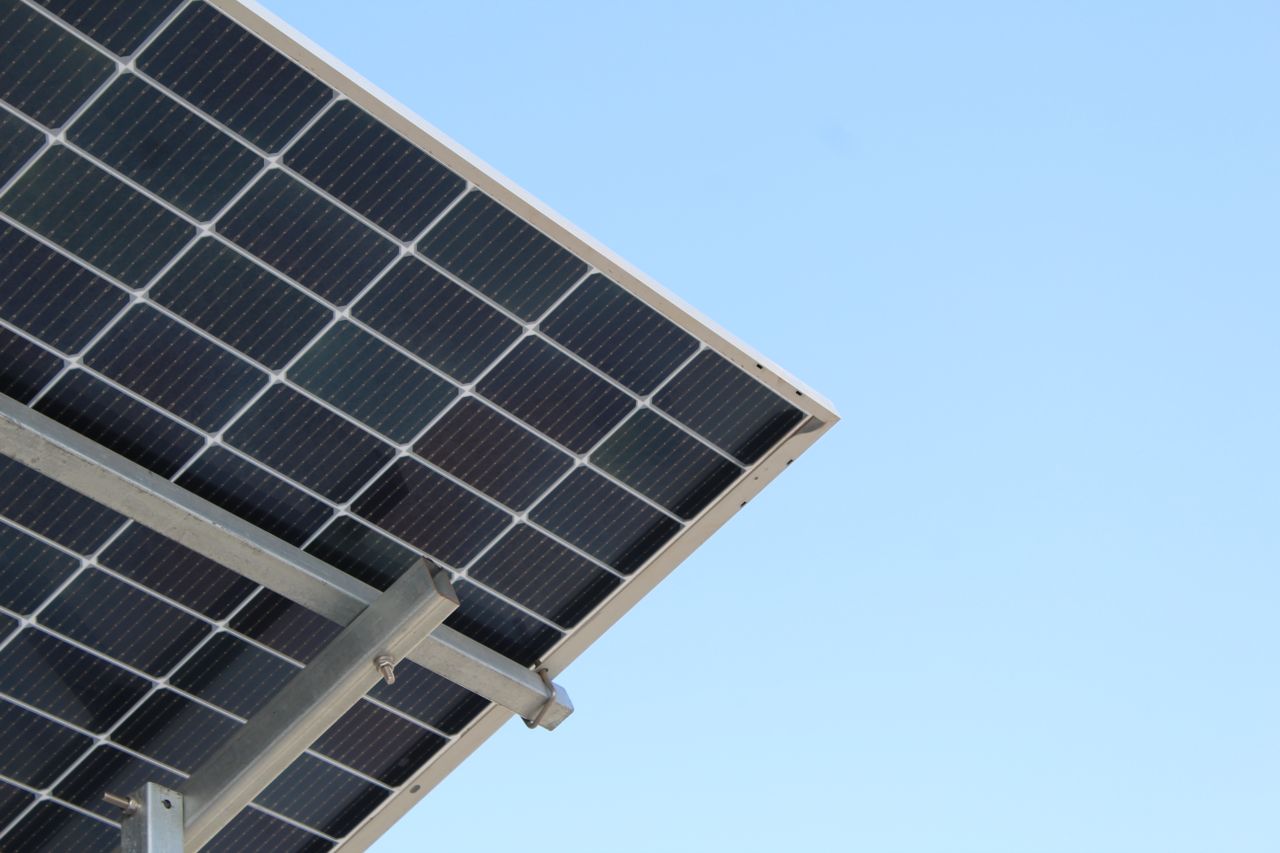
Installing solar panels is exciting. You picture lower electricity bills, cleaner energy, and a system that pays for itself over time. But here’s something many homeowners don’t realize: the quality of your solar system depends just as much on the planning as it does on the equipment sitting on your roof.
A rushed installation or a poorly designed system can lead to disappointing energy production, expensive adjustments, and years of missed savings. Spending a little more time on the planning stage often makes a huge difference in the long run.
Every Home Has Different Energy Needs
No two properties use electricity in exactly the same way. A family working from home has different energy habits than someone who is away most of the day. Likewise, a home with electric heating or an electric vehicle will require a different system size than one with minimal daytime consumption.
Before choosing a system, it’s worth reviewing:
- Your average electricity usage
- Future energy needs
- Roof size and orientation
- Available budget
- Whether battery storage makes sense
A well-designed system should fit your lifestyle, not simply fill the available roof space.
Roof Assessment Is More Important Than You Think
Many people assume any roof can support solar panels. While most roofs can, the layout has a major impact on performance.
Several factors should be checked before installation begins.
Direction and Sun Exposure
Panels perform best when they receive consistent sunlight throughout the day. Trees, neighboring buildings, chimneys, and even roof vents can create shade that reduces output.
Roof Condition
Installing a solar system on an aging roof can become expensive if roofing work is needed a few years later. It’s often smarter to repair or replace roofing materials first if they’re nearing the end of their lifespan.
Available Space
Panel size, spacing requirements, and safety clearances all affect how many panels can actually fit on your roof. A detailed site inspection helps avoid surprises during installation.
The Cheapest Quote Isn’t Always the Best Deal
It’s tempting to compare installers by price alone. After all, solar is a significant investment.
However, the lowest quote may not include the same equipment quality, installation standards, warranty coverage, or after-sales support.
Instead of asking, “Which quote is cheapest?” consider asking:
- What panels and inverter are included?
- Who performs the installation?
- What workmanship warranty is provided?
- Will the system be designed specifically for my property?
- Is monitoring included?
These questions often reveal much bigger differences than the final price.
System Design Has a Bigger Impact Than Brand Names
Many buyers spend hours comparing panel brands while overlooking the actual system design.
A properly designed installation considers cable runs, inverter sizing, panel placement, ventilation, and future expansion opportunities.
That’s why many homeowners prefer working with experienced providers that specialise in solar panel installation services, where the focus extends beyond simply mounting panels on the roof and includes proper system planning from the beginning.
Think Beyond Today’s Electricity Bill
A solar system will likely remain on your home for 25 years or longer.
Ask yourself a few questions:
Will You Buy an Electric Vehicle?
An EV can dramatically increase electricity consumption. Installing a system with room for future expansion may save money later.
Are Batteries in Your Future?
Even if you’re not adding battery storage today, choosing compatible equipment can make future upgrades much easier.
Could Your Household Grow?
Children getting older, home renovations, or adding air conditioning all increase electricity demand over time.
Planning for tomorrow often prevents costly system modifications later.
Installation Quality Matters for Long-Term Performance
Even premium equipment can underperform if it’s installed poorly.
Professional installation involves much more than attaching panels to mounting rails. Proper cable management, weather sealing, electrical compliance, and inverter placement all contribute to the safety and longevity of the system.
A careful installer also ensures every component is positioned for easy maintenance and optimal airflow, helping improve efficiency over many years.
Monitoring Helps You Get the Most From Your Investment
Modern solar systems usually include monitoring software that lets you track energy production in real time.
This allows homeowners to:
- Spot performance issues early
- Compare seasonal energy production
- Monitor household electricity usage
- Understand how much they’re saving
Without monitoring, a system could be producing below expectations for months before anyone notices.
Ask Questions Before Signing the Contract
A trustworthy installer should be comfortable explaining every part of the proposal.
Don’t hesitate to ask questions such as:
- How was the system size calculated?
- What production can I realistically expect?
- Are there any roof limitations?
- What happens if my energy needs change?
- Who handles warranty support?
Clear answers usually indicate a well-planned project.
Also Read: A Guide on How Do Solar Panels Work in Different Climates?
A Good Installation Starts Long Before Installation Day
Solar panels are designed to produce clean energy for decades. That makes the planning stage one of the most valuable parts of the entire process.
Choosing the right system size, assessing the roof properly, planning for future energy needs, and working with experienced professionals all help create a system that performs reliably year after year. Taking the time to make informed decisions before installation begins often leads to greater savings, fewer problems, and much better value over the life of your solar investment.


About the Author