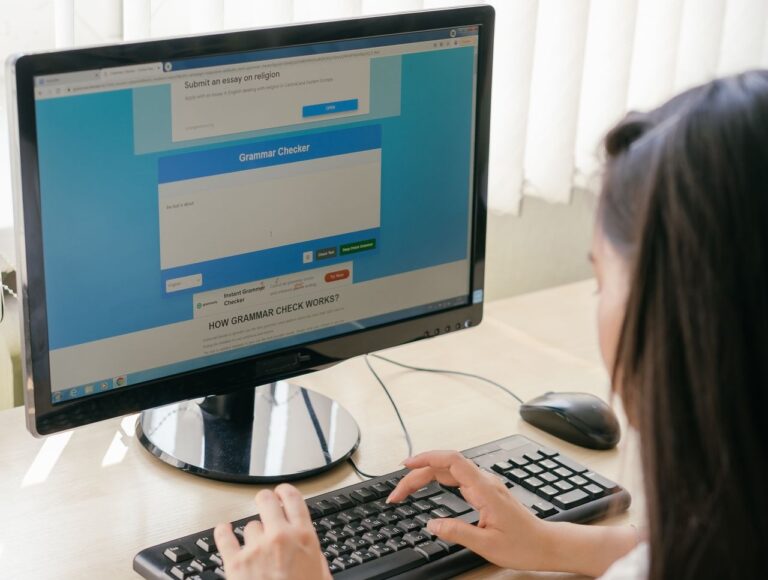
Reading, writing, and spelling skills can develop differently when a person’s brain processes written language in a unique way. Modern online dyslexia tutoring focuses on teaching methods that match each learner’s specific language-processing needs. Digital learning tools are increasingly designed to adjust lessons based on a student’s reading skills, rather than using the same approach for everyone.
Expand Personalized Learning
Reading lessons become more productive when instruction matches how you process written language. Personalized sessions focus on your current reading ability rather than using the same lesson sequence for every learner; this creates more focused practice in each session. Learning becomes more effective when lessons reflect your actual progress.
Phonics skills develop at a different pace for each learner. Some students need additional decoding practice before moving to more complex reading patterns. When lesson pacing adjusts to a student’s progress, instruction becomes more effective. Personalized learning supports skill growth through targeted practice.
Structured literacy is more effective when teaching materials align with your current stage in online dyslexia tutoring. Lessons focused on specific reading patterns help avoid unnecessary repetition during practice. Tailored instruction builds foundational reading skills through consistent, focused support.
Support Structured Instruction
Dyslexia intervention relies on reading instruction based on structured literacy principles. Phonics-based lessons teach students how to recognize and decode word patterns while building word recognition skills step by step. When instruction follows evidence-based reading methods, foundational reading skills improve more consistently. Students benefit when lessons build reading accuracy through a clear, organized approach.
Strengthen Reading Fluency
Reading fluency improves through repeated practice that helps students with dyslexia recognize words more quickly and apply decoding skills more accurately. Guided reading exercises strengthen word recognition while reducing delays during reading tasks. Structured repetition also helps students become more familiar with common letter patterns and word structures.
Online dyslexia tutoring platforms track reading performance during lessons; tutors can use this information to adjust lessons and target specific reading skills that need additional support. Here are a few literacy practices commonly used in digital dyslexia tutoring to support fluency development:
- Repeated reading: Students practice the same text multiple times to improve word recognition and reading speed.
- Guided sessions: Tutors provide structured reading activities that support pronunciation and decoding accuracy.
- Error detection: Progress tracking helps identify repeated decoding errors that require additional instruction
- Accuracy practice: Targeted exercises help students improve consistent word reading and application of decoding skills.
Improve Progress Tracking
Measurable data from online dyslexia tutoring sessions helps tutors evaluate reading progress more accurately. Tutors measure reading speed, track word recognition, and record performance patterns after each lesson; this information allows tutors to adjust instruction based on specific skills that require additional practice. Over time, consistent progress tracking supports more targeted lesson planning.
Lesson monitoring also helps identify reading skills that need further development. When performance data shows repeated difficulties with specific patterns, tutors modify activities to address those areas. This allows instruction to focus on skills that are limiting reading improvement. Regular tracking also helps tutors create more precise intervention plans for future sessions.
Integrate Learning Technology
Dyslexia tutoring platforms use learning technologies to provide structured reading instruction through activities that target specific skills. Interactive programs support reading comprehension by guiding students through tasks such as identifying the main idea, answering questions about a passage, and using context clues to understand unfamiliar words. Digital tools also help students recognize repeated spelling patterns, syllable structures, and common letter combinations during phonics practice. These features allow tutors to provide more focused instruction based on the reading skills each student needs to develop.
Also Read: Benefits You Get from Online IELTS Training
Start Online Dyslexia Tutoring Today
Dyslexia tutoring can include structured literacy instruction, targeted reading practice, and progress tracking tools. These methods help tutors focus lessons on skills such as phonics and comprehension. Individual lesson plans allow instruction to address specific reading challenges identified during tutoring sessions. Find a specialized dyslexia tutoring provider to learn how personalized reading support fits your learning needs.


About the Author