You might be feeling a mix of love and worry every time you look at your pet. You want to do everything right at home, from food and grooming to cleaning and play, yet there is always that quiet question in the back of your mind. Surprise veterinarian, am I actually keeping my pet safe, or could I be missing something important?
It often starts with something small. A new cleaning spray under the sink. A trending diet you saw online. A child sharing snacks with the dog. Nothing looks dangerous on the surface, yet you hear stories about pets getting sick from everyday items, and you start to wonder how you are supposed to know what is safe and what is not. Because of this tension, you might feel guilty, confused, or even a little defensive when someone suggests you “just ask your vet.”
Here is the truth. Safe home pet care is not about being perfect. It is about having good information, making reasonable choices, and knowing when to call in expert help. Veterinarians spend a lot of time quietly teaching owners how to keep pets safe at home, and when you understand how they do this, it becomes much easier to protect both your pet and your family. In simple terms, you will learn how vets think about risk, what they want you to watch for at home, and what practical steps you can start today.
Why does safe home pet care feel so confusing now?
The internet gives you endless advice about how to care for pets at home. Some of it is excellent. Some of it is dangerous. Because everything sounds confident, it can be hard to know who to trust. One blog says essential oils are soothing. Another warns they are toxic. One video praises raw diets. Another lists the infection risks. You are left in the middle, trying to choose.
On top of that, your life is already full. You may be juggling work, kids, aging parents, and money pressures. You might be trying to stretch your budget by handling more pet care at home instead of making extra trips to a general veterinarian. You are not alone in that. Many owners try DIY grooming, home treatments, or over-the-counter products before they reach out for guidance.
So, where does that leave you? Often in a place where you feel you “should” know what to do, yet you are quietly unsure. That gap between responsibility and confidence is exactly where a vet can help. Their goal is not to judge you. Their goal is to teach you how to keep your pet safe, and also how to keep the people in your home healthy around your pet. The CDC has clear information on how healthy pets and people affect each other, and many vets use resources like this as a foundation for their advice.
How do vets actually teach safe home pet care?
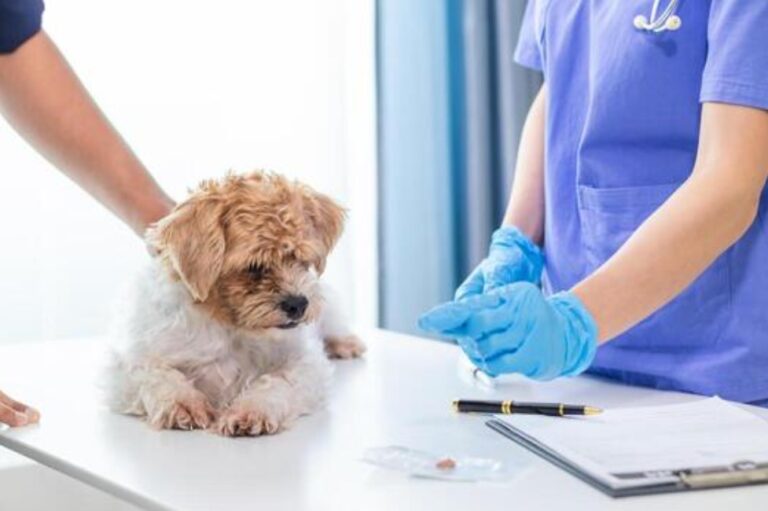
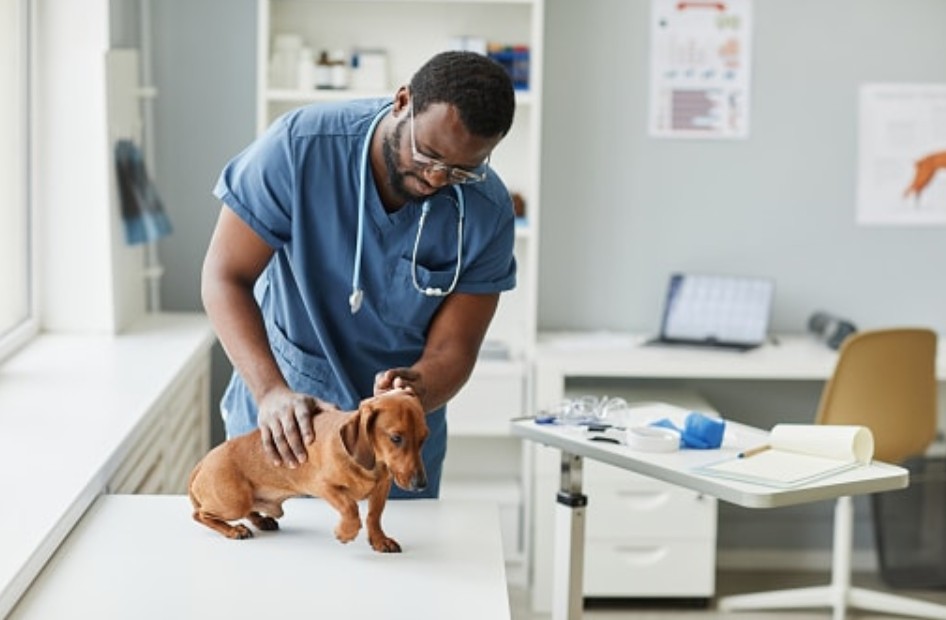
When you think about veterinary guidance for safe pet care at home, it is easy to imagine quick tips at the end of a visit. In reality, good vets weave education into almost every part of your interaction with them.
During routine exams, they often:
- Ask about your pet’s daily life. Where they sleep, what they eat, and how often they go outside.
- Look for small clues. Matted fur, tartar on teeth, overgrown nails, mild weight gain or loss.
- Connect those clues to home habits. For example, they might explain that a little extra weight now increases the risk of joint pain and diabetes later, then show you how to measure food accurately.
They also talk about things you might not think of as “medical.” For example, they may explain why certain human foods are toxic, why your cat’s litter box needs regular cleaning, or why your children should wash their hands after handling the pet. The CDC offers practical advice on many of these topics, including different types of pets and their health risks, and veterinarians often echo these points in more personal language.
When there is a specific problem, such as skin infections, diarrhea, or coughing, a good vet will not only prescribe treatment. They will walk you through how to clean bedding, food bowls, and toys, and how to separate sick pets from other animals or from young children if needed. Guidance on cleaning and disinfecting pet supplies at home is a common part of this education, because it protects both pets and people.
There is also the emotional side. Vets know that when your pet is sick, you may feel scared or guilty. You might blame yourself for not noticing something earlier. A thoughtful veterinarian will usually slow down, explain what is happening in plain language, and give you clear home care steps so you feel less helpless once you walk out the door.
What are the tradeoffs between DIY home care and veterinary guidance?
You might be wondering where to draw the line. What is safe to handle on your own, and when does safe home pet care require professional help? The answer often lies in understanding the risks, costs, and long-term impact of each choice.
| Home Pet Care Choice | Short-Term Benefit | Common Risks | When Vets Encourage It |
|---|---|---|---|
| Basic grooming at home (brushing, nail trims, baths) | Saves money and time. Strengthens bond with your pet. | Overcut nails, skin irritation from products, stress for anxious pets. | When you use pet safe products and have been shown proper techniques. |
| Using human medications for pets without advice | Feels faster and cheaper than a visit. | Toxicity, organ damage, masking serious illness. | Almost never. Vets want you to call before giving any human drug. |
| Online advice for training or minor behavior issues | Immediate tips and ideas. Often free. | Inconsistent quality, methods that increase fear or aggression. | When advice is from reputable sources and your pet is not aggressive. |
| Cleaning supplies around pets | Home feels cleaner and smells better. | Fume inhalation, skin contact, ingestion from licking floors or paws. | When you use pet-safe products and follow vet or CDC cleaning guidance. |
This comparison shows why a mix of home care and professional advice is often safest. You absolutely can and should handle many parts of daily care yourself. At the same time, when you move into medication, strong cleaners, major diet changes, or ongoing symptoms, that is where your veterinarian’s guidance becomes crucial.
Three practical steps to make home pet care safer today
1. Create a “pet safety check” for your home
Walk through your home with your pet in mind. Look at everything from their eye level. Open cabinets, check under the sink, look at low shelves, and scan the floor. Remove or move items that could be chewed, swallowed, or spilled. This includes medications, cleaning products, rodent poisons, certain houseplants, and small toys. Store dangerous products in closed cabinets. If you are unsure whether something is toxic, write it down and ask your vet at your next visit or through a clinic message system if they offer one.
2. Build simple, safe routines for feeding, cleaning, and play
Safe home pet care is easier when it runs on a routine. Choose a balanced, vet-approved diet and measure portions instead of free pouring. Wash food and water bowls regularly with hot, soapy water. Clean litter boxes, cages, or bedding on a schedule so it does not become overwhelming. For cleaning, use products labeled as safe around pets whenever possible, and keep your pet out of the room until surfaces are dry. For play, keep small or easily destroyed toys out of reach when you are not actively supervising, especially for pets that like to chew.
3. Use your vet as a teacher, not just an emergency contact
During your next visit, bring questions about home care. Ask your veterinarian to show you how to check your pet’s teeth, trim nails, clean ears, and spot early signs of illness such as changes in appetite, thirst, or bathroom habits. If you are considering a new food trend, supplement, or home remedy, ask for their opinion before you start. Treat your general veterinarian as a partner in safe pet care at home rather than someone you only see when something goes very wrong.
Moving forward with more confidence and less fear
You care deeply about your pet. That concern is why you are reading about safe home pet care in the first place. You do not need to become a medical expert. You only need clear guidance and a few steady habits. When you understand how vets think about safety in ordinary, daily moments, it becomes easier to make choices that protect your pet and your family.
The next step is simple. Choose one small change from today. Maybe you secure your cleaning products. Maybe you switch to a safer chew toy. Maybe you can write down questions for your veterinarian about your current routines. Each of those steps strengthens the quiet safety net you are building at home.
Over time, that is how you shift from constant worry to calmer confidence. Your pet benefits. You sleep better. And your relationship with your general veterinarian turns into what it was always meant to be. A steady, trustworthy source of support for you and the animal you love.


About the Author